The hand-painted billboards and vibrant posters that once adorned the bustling streets of Dhaka are being replaced by a new advertising powerhouse: the smartphone.
Bangladesh is undergoing a digital transformation, evolving from a traditional media stronghold into a dynamic frontier for digital marketing. With a population exceeding 170 million and internet penetration rising sharply, the country presents a unique proposition for advertisers.
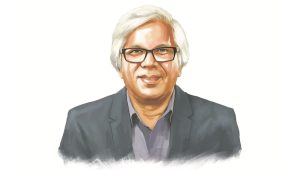
To navigate this shifting landscape, TIMES of Bangladesh interviewed Avenue Sangma, a professional marketing consultant in Bangladesh who has witnessed the ecosystem evolve from its infancy.
According to Sangma, the present era goes beyond mere digitisation and reflects the democratisation of brand visibility, allowing businesses of all sizes to compete for attention on a more level playing field.
“Digital advertising offers vast growth opportunities,” he said.
The data behind the shift
The transition to digital is not merely anecdotal. It is supported by hard data. According to Statista, the digital advertising market in Bangladesh is set for robust growth, with ad spending expected to outpace many traditional sectors.
This presents ideas and opportunities for profitable businesses in Bangladesh such as social media marketing agencies, content creation services, freelance graphic design, and digital ad management solutions.

“We are seeing a fundamental change in consumer behaviour,” Sangma explains. “The average Bangladeshi user isn’t just online, they are mobile-first and hyper-connected.
For brands, this means the ‘spray and pray’ approach of television commercials is becoming less efficient compared to the targeted precision of programmatic ads.”
The driving force behind this surge is the widespread availability of affordable smartphones and cheaper data packages.
The accessibility has opened the floodgates for digital consumption, creating a fertile ground for advertisers to reach audiences previously inaccessible through legacy media.
Platforms dominating the conversation
When discussing the digital landscape in Bangladesh, one cannot ignore the elephant in the room.
“Facebook is synonymous with the internet for a vast majority of the population here,” Sangma notes.
“It’s not just a social network, it’s a news source, a marketplace, and a community hub. For any advertiser, neglecting Facebook is essentially neglecting the market.”



However, the landscape is diversifying. YouTube remains a giant for video consumption, rivalling traditional television in terms of watch time among younger demographics.
Furthermore, Sangma highlights the rapid ascent of short-form video platforms like TikTok.
Initially dismissed by some marketers as purely entertainment, these platforms are maturing into powerful tools for brand awareness, particularly in the lifestyle and fashion sectors.
“The challenge now is platform-specific storytelling,” Sangma advises.
“You cannot simply resize a TVC for TikTok. The content needs to be native, authentic, and engaging within the first three seconds.”
The SME revolution
Perhaps the most profound impact of digital advertising in Bangladesh is seen in the Small and Medium Enterprise (SME) sector. Historically, high barriers to entry kept small businesses off the airwaves. Digital platforms have dismantled those barriers.
“We are witnessing an ‘F-commerce’ revolution,” Sangma says, referring to the thousands of businesses operating exclusively through Facebook pages.
“Digital advertising allows a home-based baker or a boutique fashion outlet to compete for attention alongside multinational giants. They can spend as little as a few dollars to reach their exact neighbourhood or demographic.”
This shift has forced larger corporations to rethink their strategies. They are no longer just competing with other conglomerates, they are competing for attention against agile, local creators who understand the pulse of the community.
Navigating challenges
Despite the optimism, the road is not without potholes. Sangma points out that while adoption is high, digital literacy regarding complex ad tech remains a hurdle.
Many businesses struggle with attribution modelling and understanding the true return on ad spend (ROAS).
“There is a gap between running an ad and running a strategy,” Sangma asserts.
“The market is maturing, and we are moving away from vanity metrics like ‘likes’ toward tangible business outcomes like lead generation and conversion value.”
Looking toward the future, Sangma predicts a surge in influencer marketing credibility and the integration of AI in creative processes.
As algorithms become smarter, the reliance on manual targeting will decrease, placing a higher premium on creative quality.
The strategic imperative
For investors and marketers looking at South Asia, Bangladesh offers a compelling narrative of growth. It is a market where tradition meets technology, creating a vibrant, albeit complex, advertising ecosystem.
“The window of opportunity is wide open,” Sangma concludes.
“But success belongs to those who respect the local nuance. It’s about blending global best practices with a deep understanding of the Bangladeshi consumer’s psyche.”
As the digital infrastructure continues to strengthen, the question for businesses is no longer if they should invest in digital advertising, but how quickly they can adapt to its evolving demands.