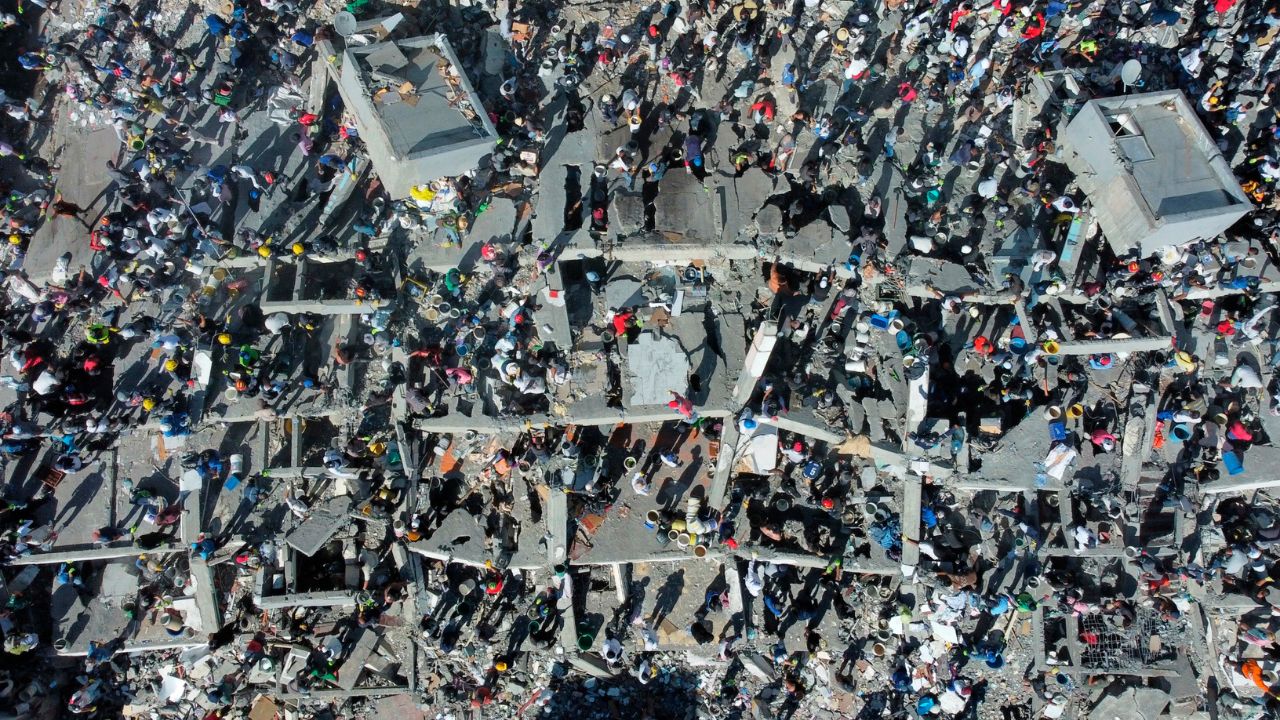



The powerful earthquake that struck Colombia on Monday, 10 August 2026, was more than a moment of violent shaking. It was a reminder of the fragile balance between nature and the millions of people who live along one of the world’s most active seismic zones.
As of 13 August 2026, the latest official figures report that the 7.4-magnitude earthquake has killed at least 281 people, injured more than 3,770, left nearly 379 people missing, and destroyed more than 9,550 homes, making it one of Colombia’s deadliest earthquakes in decades.
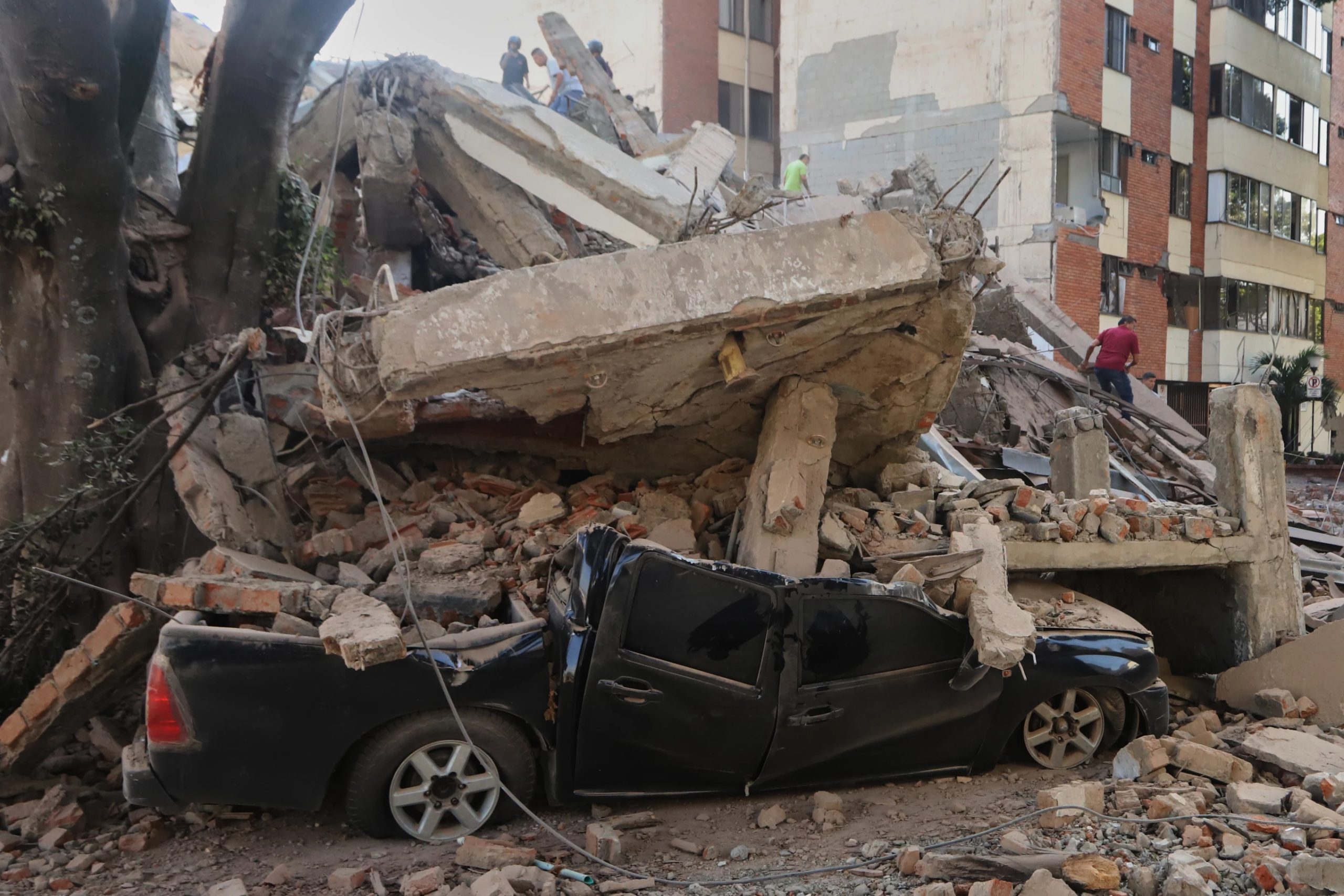
As emergency sirens echoed across affected communities, rescue workers, volunteers, and ordinary citizens came together in a race against time to help those trapped beneath collapsed structures and to comfort families searching for loved ones.
Colombia has lived with the threat of earthquakes for generations because of its location where several tectonic plates interact beneath the Andes. Scientists have long warned that the country’s geography makes earthquakes an unavoidable part of life, but every major event exposes new challenges.

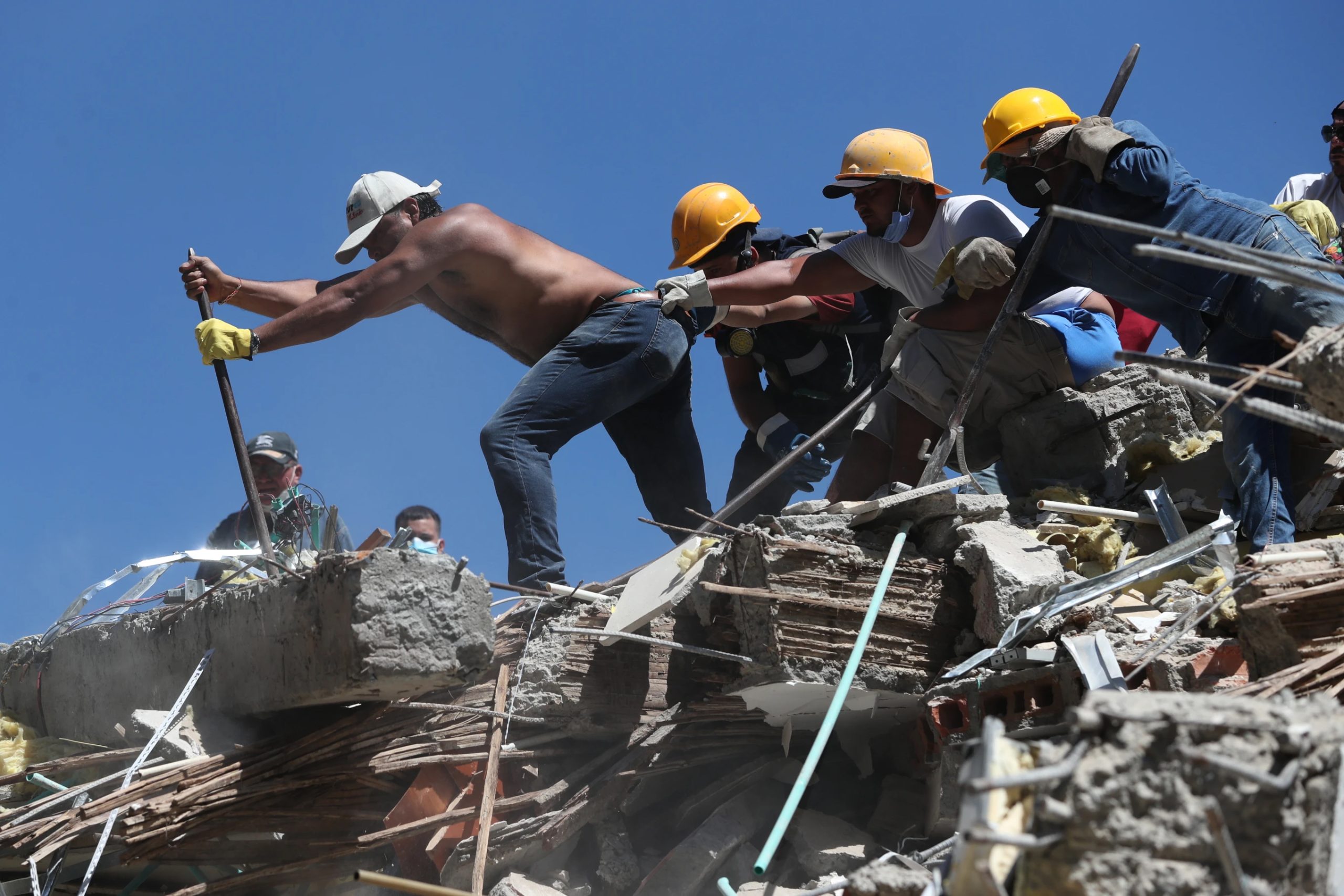
Modern buildings designed to withstand seismic activity generally performed better than older structures, yet damage to homes, hospitals, schools, roads, and communication networks once again showed how vulnerable many communities remain.
In the hours following the earthquake, authorities worked to restore essential services. At the same time, engineers inspected bridges and public buildings for safety. Hospitals treated the injured as temporary shelters opened for families forced to leave damaged homes.




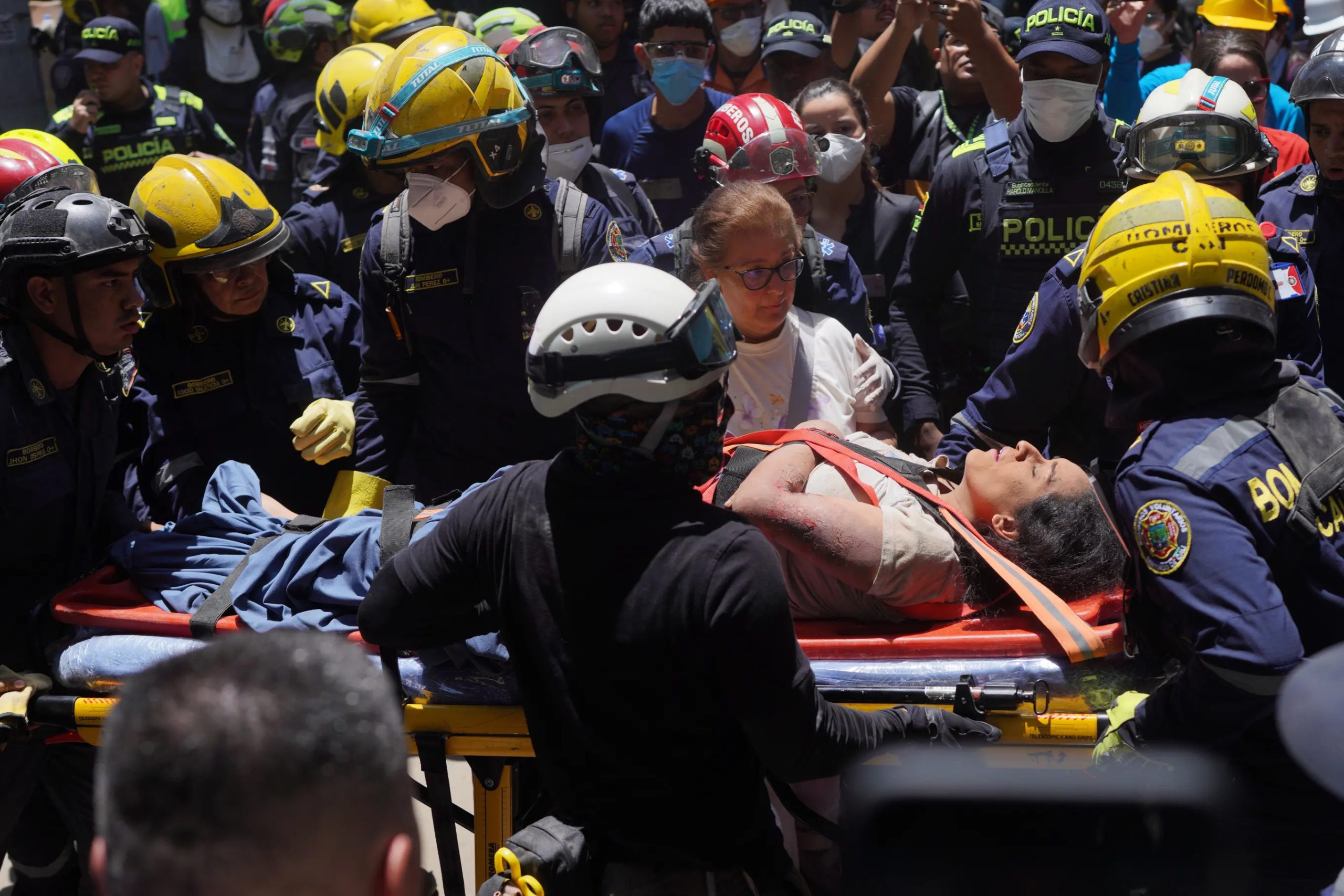
The disaster also highlighted the resilience of Colombians. Neighbours rescued neighbours before professional teams could arrive, businesses donated food and water, and volunteers joined relief efforts despite continuing aftershocks.
While the immediate priority was saving lives, attention quickly shifted toward recovery and rebuilding.
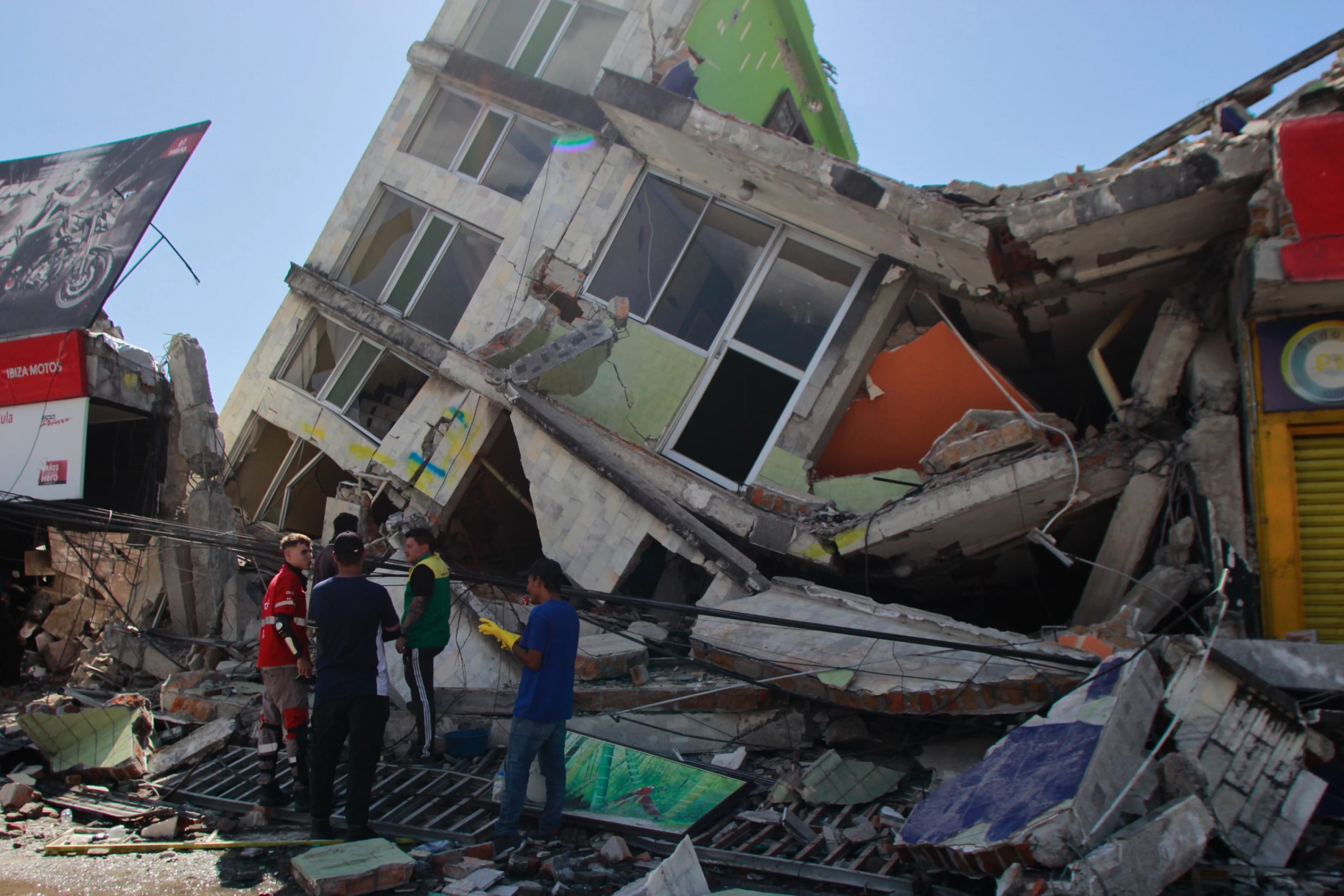
The economic impact is expected to be significant as infrastructure repairs, disrupted businesses, and reconstruction place additional pressure on public resources. Experts believe the recovery will take months, and in some areas years, as communities work to restore normal life.
The earthquake serves as another powerful reminder that disasters are measured not only by the strength of the ground shaking but also by society’s preparedness.
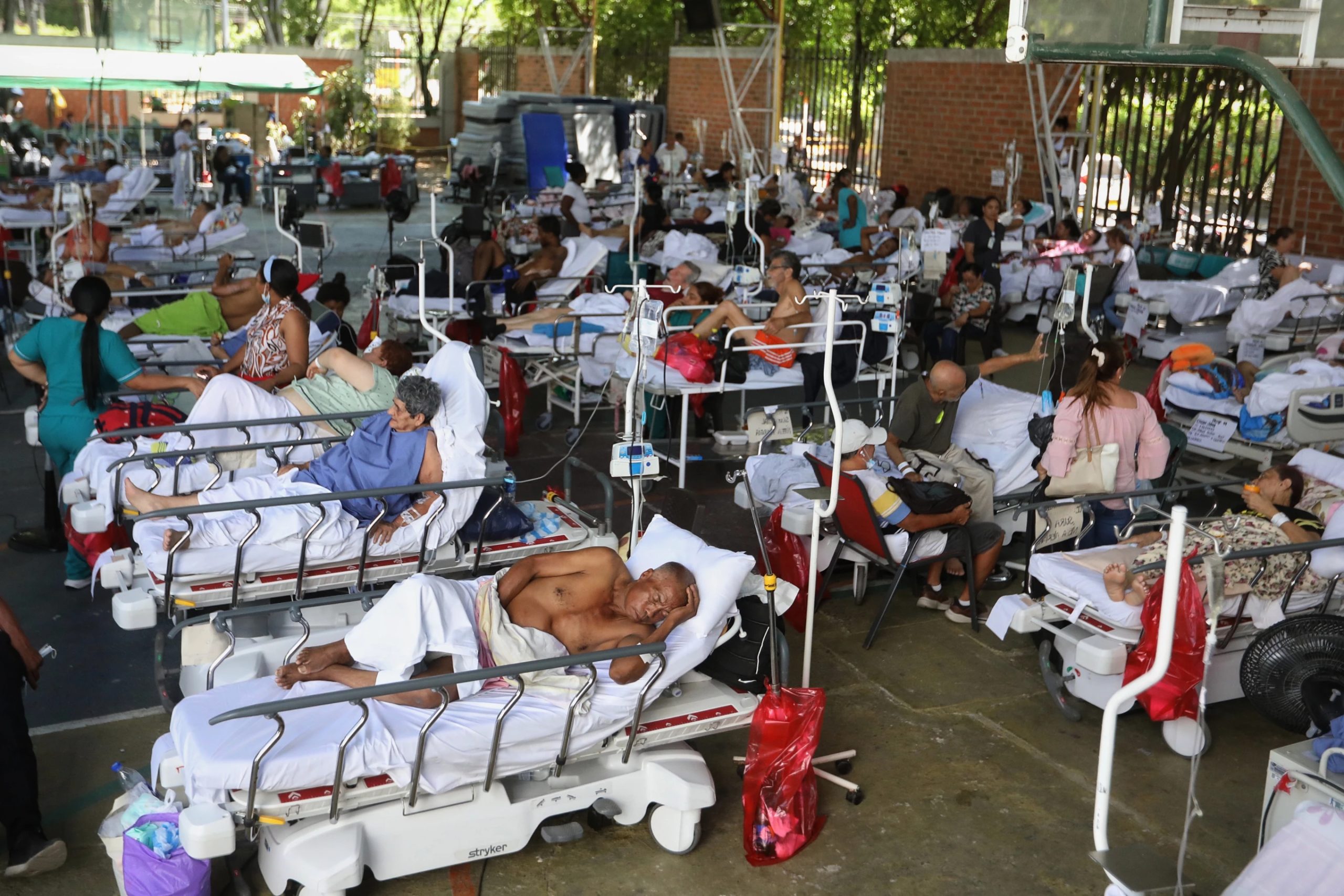
Better building standards, stronger emergency planning, and greater public awareness continue to save lives, yet no amount of preparation can eliminate the emotional toll carried by survivors.
As Colombia begins the long process of rebuilding, the courage shown by its people offers hope that even in the face of nature’s immense power, communities can recover, adapt, and emerge stronger than before.