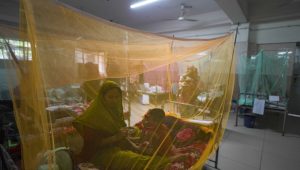
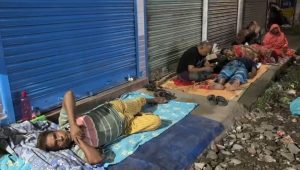
There is a familiar Bengali proverb, “darkness beneath the lamp”, used to describe a cruel irony: a source of light that illuminates distant places while leaving its immediate surroundings in shadow. In today’s Bangladesh, few places embody this contradiction as starkly as Hobiganj.
The district is home to multiple power plants with a combined generation capacity of around 1,706 megawatts. Electricity produced here flows outward, lighting homes, offices, and industries across the country. Yet within Hobiganj itself, darkness has become a daily reality.
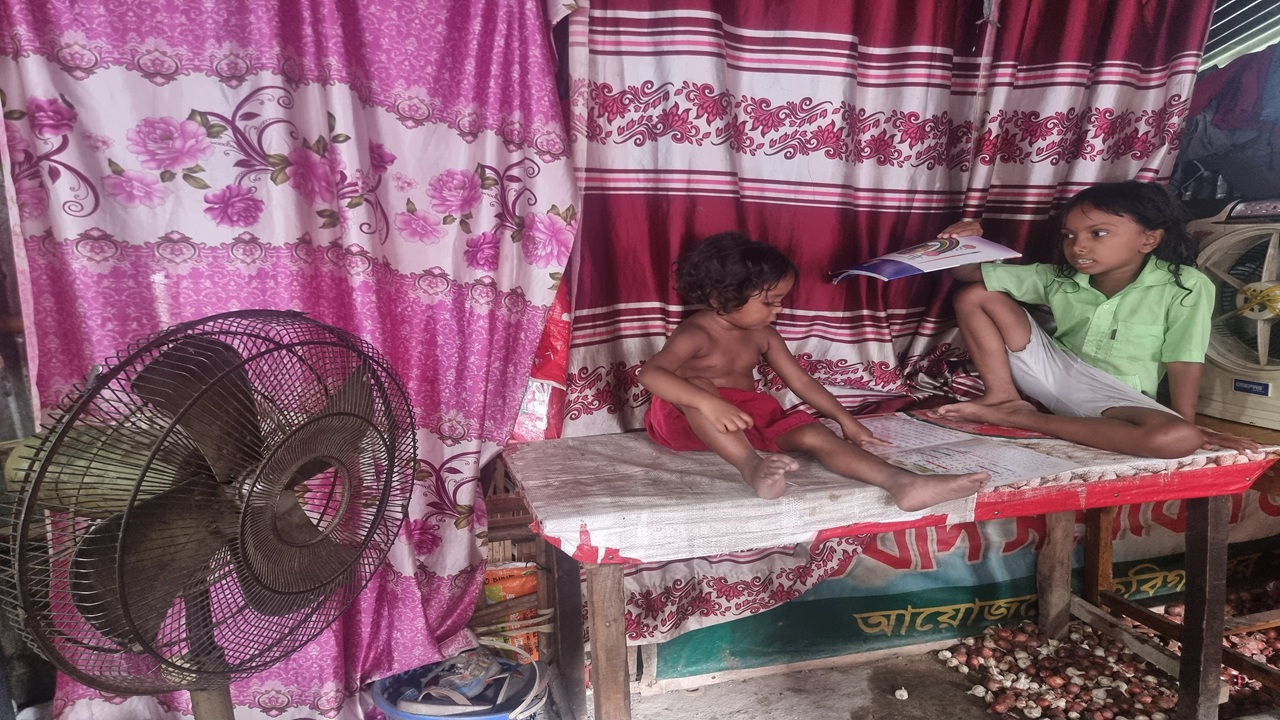
In the town, residents under seven feeders of the Power Development Board endure relentless load shedding. Despite thousands of streetlights installed across the area, many remain unlit for long stretches. Power outages occur almost every two hours, often lasting an hour or more. For a district that helps energise the nation, the irony is hard to ignore.

The numbers tell a troubling story. While Hobiganj town requires between 15 and 18 megawatts of electricity daily, it receives barely 6 to 8 megawatts. On a recent morning, against a demand of 18 megawatts, only 8 were supplied, triggering 8 to 10 outages in a single day. For residents, this is not an occasional inconvenience but a routine disruption shaping daily life.
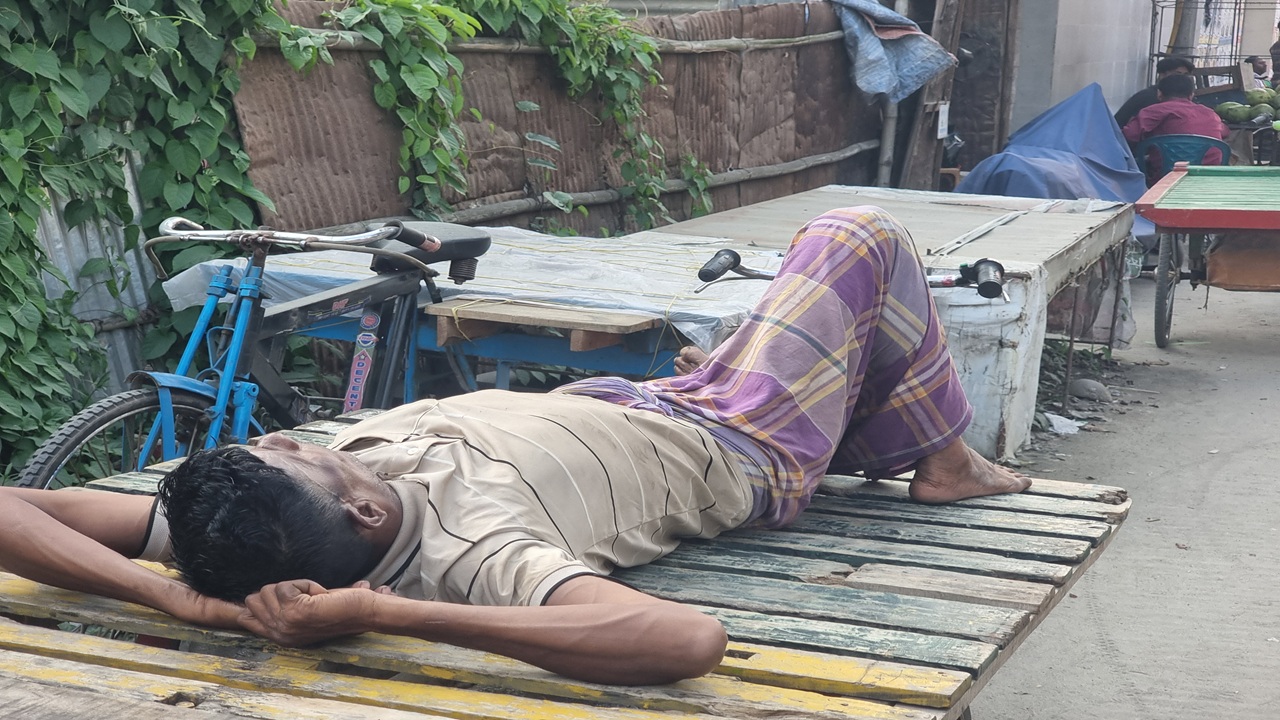
Frustration is rising. On April 16, townspeople submitted a memorandum to the Deputy Commissioner, demanding at least 17 megawatts of dedicated supply. Meanwhile, efforts to conserve energy, such as closing shops after 7 pm, have done little to ease the crisis.




The human toll is evident everywhere. Business owners struggle to operate, students find it difficult to study, and households grapple with basic chores in the absence of electricity.
“We close our shop early to save power, yet outages happen five to six times a day,” said Zakaria, a local trader. Residents report being without electricity for up to 16 hours daily, with evenings particularly unbearable.
Officials acknowledge the shortfall. According to the local Power Development Board, the gap between demand and supply leaves them with little choice but to enforce scheduled outages.
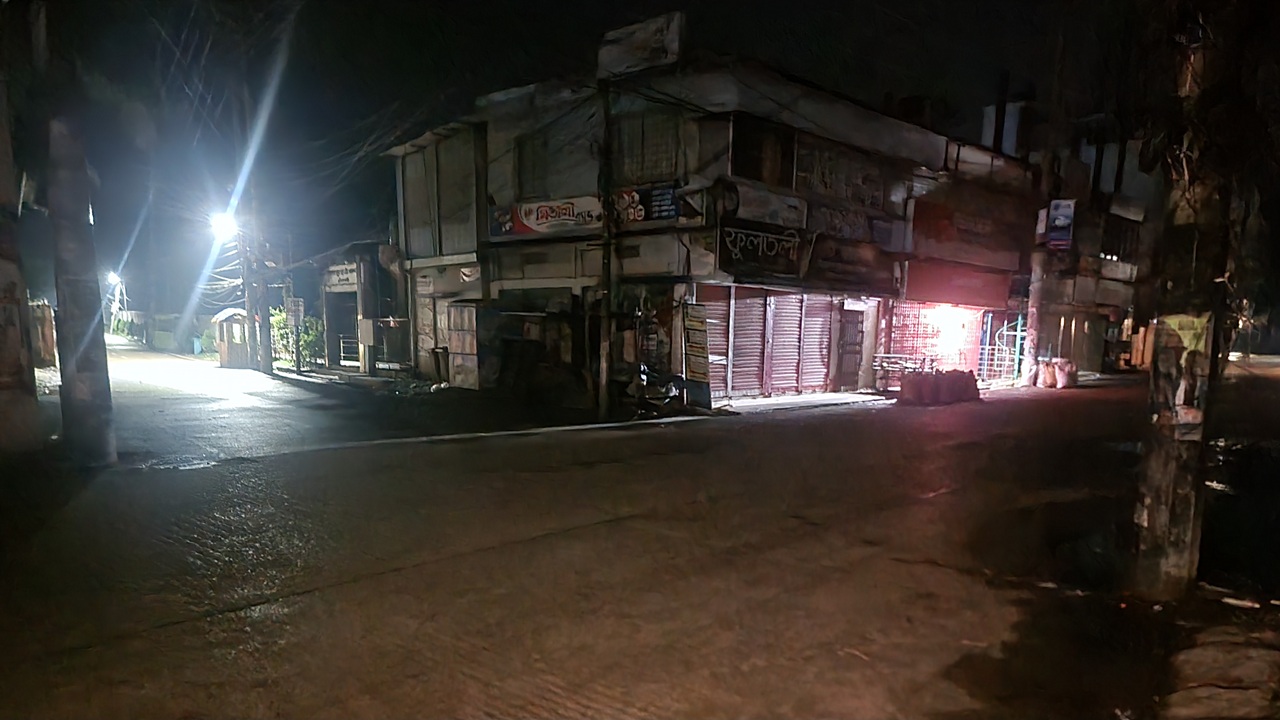
But for the people of Hobiganj, the issue is not just technical; it is deeply symbolic. How can a district that fuels the nation remain in darkness itself?
Until that question is answered with action, Hobiganj will remain a poignant reminder that sometimes, the brightest sources of light cast the darkest shadows closest to home.