A wide gap persists between voter expectations and political parties’ election manifestos on building a green and sustainable economy in Bangladesh, according to a recent survey by the Centre for Policy Dialogue.
The study found that manifestos lack clear and concrete planning in key sectors such as electricity, energy and environmental governance, despite growing public concern over sustainability.
The findings were presented on Saturday at a media briefing titled Overview and expectations of green sustainable economy in constituencies: Results of candidate and voter survey at the BRAC Centre Inn in Mohakhali.

Presenting the survey, Khondaker Golam Moazzem said voters want an environment-based green society but remain reluctant to move away from visible infrastructure such as roads and bridges. He said political parties place some emphasis on “soft development”, but a clear roadmap for a green economy is missing.
The survey showed that 77 per cent of voters believe development is ensured mainly through road and culvert construction and job creation, an infrastructure-driven mindset that strongly influences voting behaviour.




The tendency is more pronounced in urban areas, where about 86 per cent of voters directly link development to roads and bridges. Similar views were recorded in the Chattogram Hill Tracts, coastal belts and climate-vulnerable regions.
While some political representatives hold broader perspectives, voter focus remains largely confined to visible projects, said Helen Mashiyat. She noted that although 95 per cent of voters believe a green society is achievable in Bangladesh, an excessive focus on infrastructure risks undermining long-term environmental protection, climate adaptation and sustainable development.
On environmental awareness, the study found that 61 per cent of voters prioritise tree plantation and reducing plastic use, views that largely mirror those of political candidates. Researchers said these easily implementable actions are widely perceived as the main solutions.
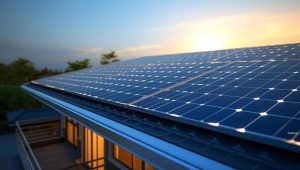
Awareness of renewable energy remains limited, with only 47 per cent of voters and 42 per cent of candidates familiar with the issue, pointing to a major gap in recognising renewable energy as a core pillar of sustainability.
The survey also showed that social development receives the least attention from both voters and candidates compared with the economy and the environment. Pressures linked to poverty, income and employment mean social issues are often treated as secondary, with voter priorities largely confined to health and education.
The CPD survey covered 1,200 voters and 450 candidates or their representatives across 150 constituencies, analysing views and plans across three pillars: the environment, the green economy and social development.