Bangladesh’s massive drive for outward labour migration is increasingly colliding with severe climate precarity and critical gaps in national legislation, creating a highly lucrative environment for human traffickers and unregulated migrant smugglers.
A comprehensive report, recently compiled by the United Nations Office on Drugs and Crime (UNODC), has revealed a complex web of ecological displacement and criminal exploitation.
With a population of around 177 million, Bangladesh is one of the world’s most densely populated, climate-vulnerable, and disaster-prone nations.
The country relies heavily on outward labour migration, ranking as the sixth-largest origin of migrants globally, with an estimated 7.4 million citizens living and working abroad.

Remittances sent home by these overseas workers generate vital revenue flows, constituting approximately 11 per cent of Bangladesh’s total Gross Domestic Product (GDP).
However, this massive economic drive, combined with high youth unemployment and the extreme vulnerability of poor rural households to economic shocks, has left thousands of desperate citizens exposed to domestic and international trafficking networks or searching for the services of unregulated migrant smugglers.
The UNODC’s GLO.ACT South Asia project brief highlights how these intersecting pressures are pushing vulnerable individuals into dangerous maritime crossings, global smuggling networks, and foreign legal systems where victims are frequently criminalised.
The climate-migration trap
A key driver of this crisis is the direct pipeline between criminal exploitation and ecological displacement. South Asia is disproportionately vulnerable to both rapid- and slow-onset natural disasters.

In 2020, the region recorded 9.3 million new displaced persons due to ecological crises, accounting for nearly one-third of all new global disaster-driven displacements.
In rural Bangladesh, families displaced by floods, cyclones, and landslides regularly resort to migration as a desperate coping mechanism.

Because they lack access to regular, safe migration channels, these climate refugees are funnelled directly into the arms of human traffickers and exploiters, frequently ending up in forced labour or debt bondage – the most common form of exploitation in South Asia.
Despite the development of a policy brief on Climate, Crime and Exploitation in Bangladesh under the GLO.ACT programme, the country’s national data collection systems remain weak, non-standardised, and lack the climate-related indicators necessary to track this growing phenomenon.
Deadly maritime surge in the Bay of Bengal
The humanitarian situation in Cox’s Bazar has further intensified these irregular movements. Over one million Rohingya refugees have lived in the camp since fleeing large-scale violence and persecution in Myanmar in 2017.



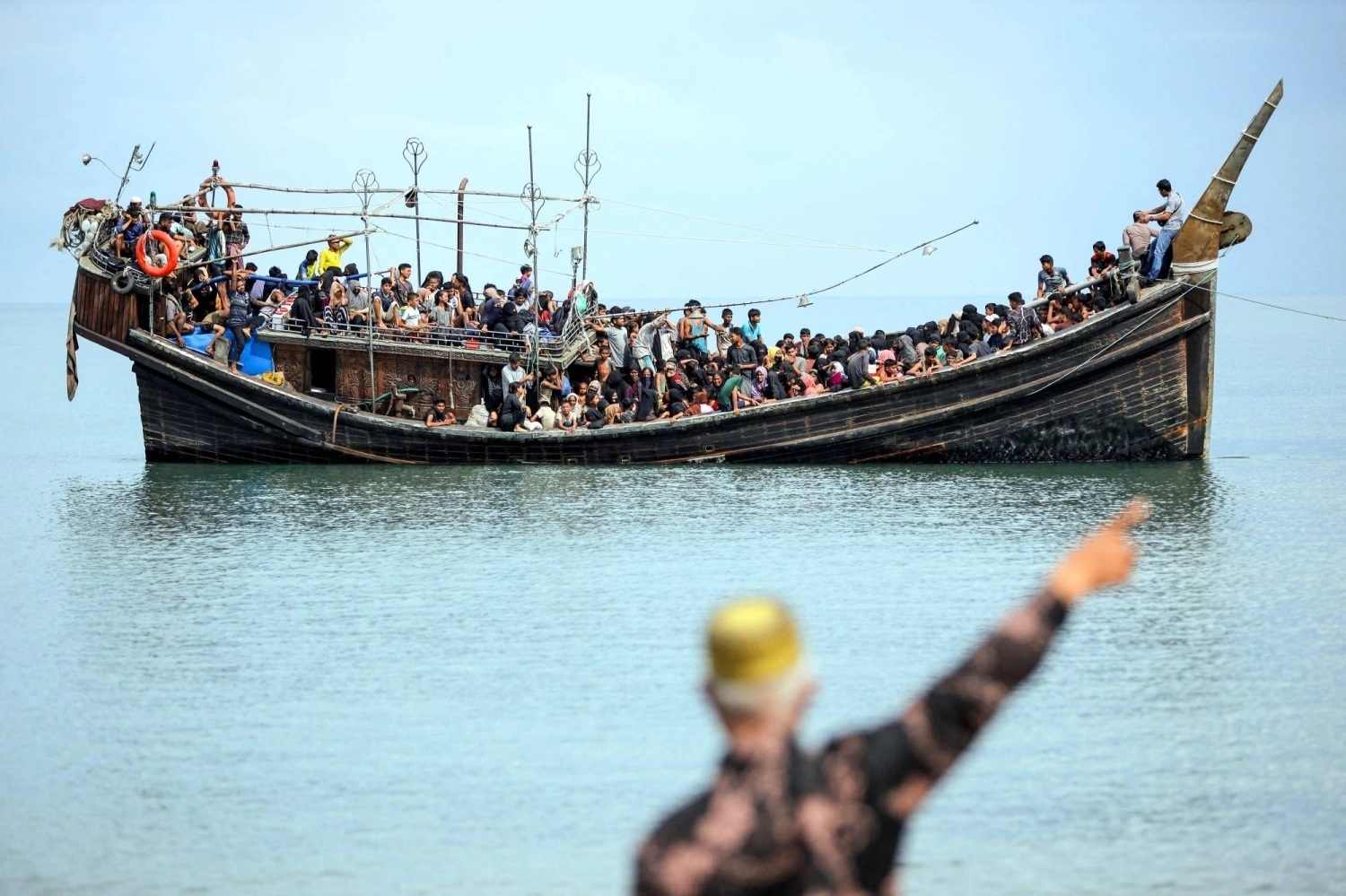
As the world’s largest refugee camp, its thinly resourced infrastructure is constantly threatened by severe cyclones, floods, and landslides. Pushed by deteriorating safety, extreme weather, and a lack of opportunities, refugees are embarking on highly dangerous sea voyages.
In 2022, more than 3,700 Rohingya refugees took to the sea, with 350 reported dead or missing – marking it one of the deadliest maritime years since the 2015 Andaman Sea crisis. This escalation continued dramatically into 2023.
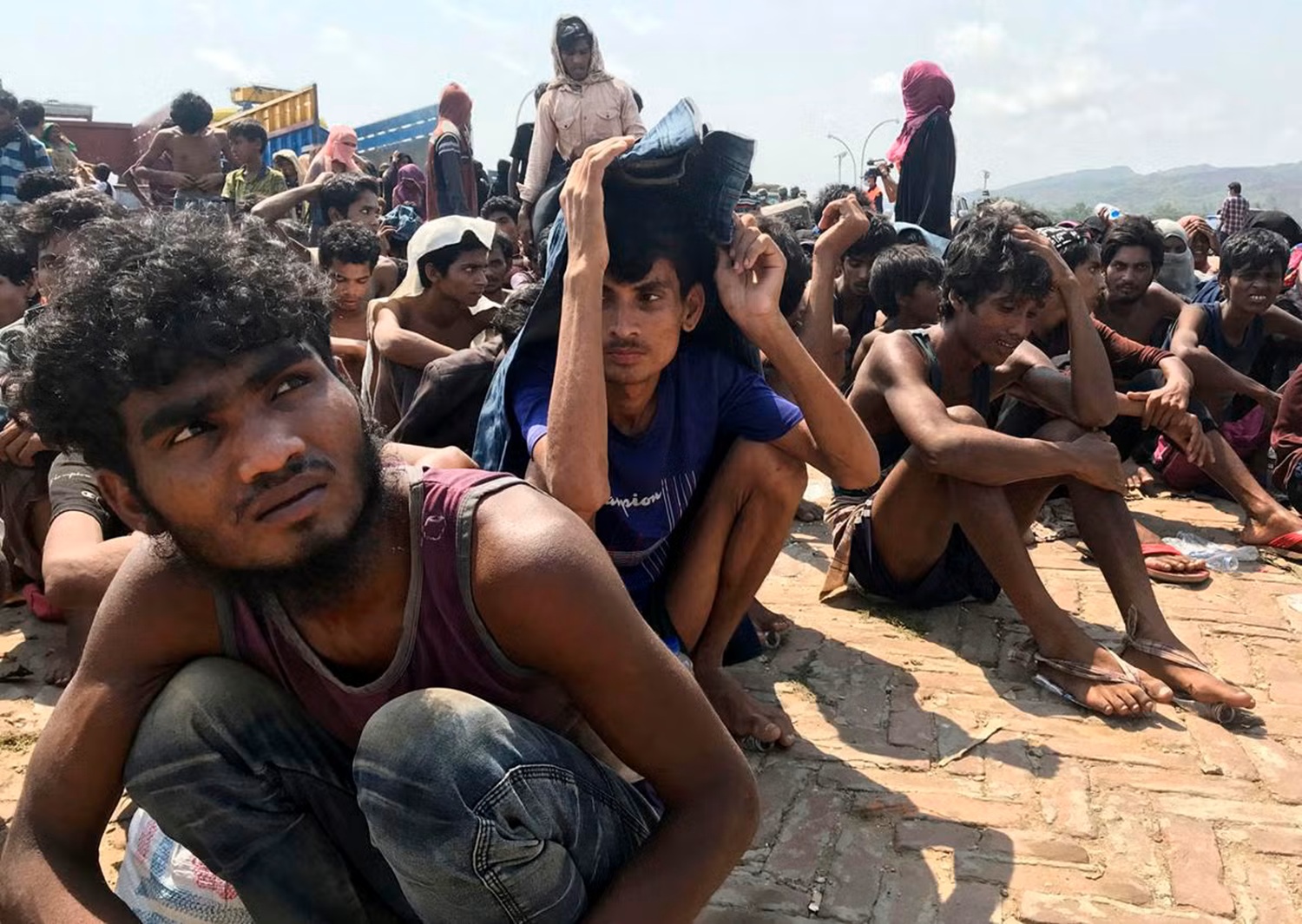
Between January and August 2023, another 3,400 individuals fled via land and sea, with 207 reported dead or missing. Comparing this period to the same timeframe in 2022, the number of individuals embarking on sea journeys rose by 56 per cent, while the number of dead or missing surged by an astronomical 192 per cent.
Alarmingly, emerging UNODC findings indicate that Bangladeshi nationals are now being smuggled to Malaysia, Indonesia, and Australia using the exact same maritime routes and smuggling syndicates as the Rohingya refugees.
Mediterranean corridor and unjust penalisation
The reach of these smuggling syndicates extends far beyond Asia, with Bangladeshi nationals representing the fifth-largest group by nationality among irregular arrivals on the Central Mediterranean route to Europe.
Bangladeshi migrants are heavily routed overland and by sea via Tunisia and Libya to Italy, with Bangladesh ranking as a top-five country of origin for irregular maritime arrivals in Italy between 2022 and 2023.
However, inside the European Union, a severe systemic injustice occurs.
Bangladesh currently ranks in the top 10 of non-EU citizens convicted of trafficking offences in the EU. The UNODC report highlights that this high conviction rate is driven by a critical national and international failure in victim identification and screening processes.
Due to poor screening, true victims of trafficking – who are forced or coerced into illegal acts or labour – are being unjustly penalised and criminalised by foreign courts rather than being protected as victims of crime.
Legal vacuum shielding smugglers
The persistence of these illicit networks is heavily aided by a significant legislative loophole in Bangladesh. While human trafficking (TIP) and migrant smuggling (SOM) are legally distinct crimes, Bangladesh has no national law criminalising migrant smuggling.
The country enacted the robust, UN-compliant Prevention and Suppression of Human Trafficking Act in 2012 and its implementing Rules in 2017, but has failed to enact any parallel legislation for migrant smuggling.

This discrepancy is rooted in international treaty accessions. While Bangladesh ratified the United Nations Convention against Transnational Organized Crime (UNTOC) and acceded to the UN TIP Protocol in September 2019, it has not ratified the UN SOM Protocol.
Across all of South Asia, only India has ratified the SOM Protocol, leaving migrant smugglers in Bangladesh and other neighbouring nations operating with massive legal impunity.
Without national legislation criminalising SOM, police and prosecutors are legally blocked from tracking and disrupting the substantial Illicit Financial Flows (IFFs) generated by these multimillion-dollar smuggling operations.
Strengthening the national response
In Bangladesh, Home Affairs Ministry remains the main entity responsible for the national response to trafficking in human beings.
Key steps have been taken, such as the establishment of seven dedicated Anti-Human Trafficking Offence Tribunals in March 2020 in the divisional districts of Dhaka, Chattogram, Rajshahi, Khulna, Barisal, Rangpur, and Sylhet.
In the remaining 57 districts, Women and Children Repression Prevention Special Tribunals play this role as an additional responsibility.
Moreover, the government operates Counter-Trafficking Committees (CTCs) across three tiers of local administration, the Social Welfare Ministry operates victim shelters, and the National Legal Aid Services Organization (NLASO) provides legal aid.
To dismantle human trafficking syndicates and protect vulnerable citizens, the UNODC report identifies critical priority areas for immediate intervention.
These include continued advocacy for the criminalisation of SOM through national legislation, ratifying the SOM Protocol, and integrating climate-related indicators into national data collection systems.
There is also an urgent need to formally adopt a National Referral Mechanism (NRM) and standardise guidelines to coordinate victim identification across different ministries, ensuring that exploited citizens are protected as victims rather than penalised as criminals.