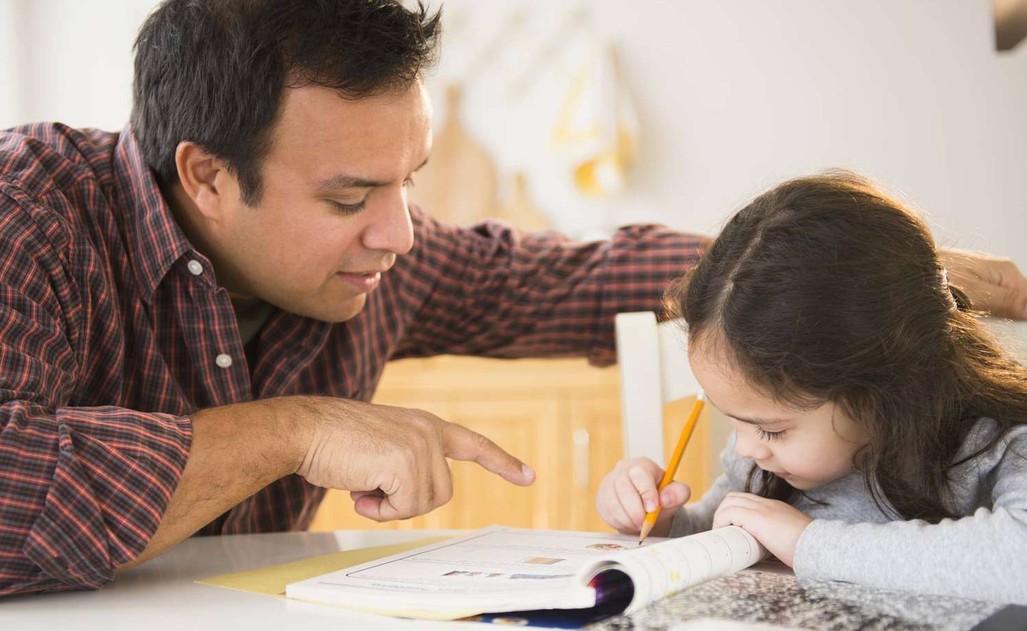



Imagine two children growing up in two different homes. In the first home, parents are committed to their child’s education, emotional well-being, and overall development. They listen to the child, encourage questions, notice changes in behaviour, establish healthy routines, and make time to communicate and learn together. In the second home, parents are largely disengaged from their child’s development. Education receives little attention, communication is limited, and the child’s emotional and developmental needs may go unnoticed.
Will these two children experience the same journey as they grow up? Perhaps not. A child’s education does not begin on the first day of school. It begins much earlier; at home, through the first interactions between children and their parents or caregivers. The home is a child’s first learning environment, and parents are often their first teachers.
There is an old saying that an educated nation begins with an educated mother. While the responsibility for raising and educating children should never fall on mothers alone, the underlying message remains relevant: the education and awareness of parents can profoundly influence the next generation. The educational philosopher John Dewey argued that education extends beyond the classroom. Children begin learning from their earliest experiences within their families and communities. At home, they develop their first habits, attitudes, language, social behaviours, and ways of understanding the world.
From infancy, children learn through interaction. Parents can support healthy development by talking and responding to their children, encouraging communication, paying attention to developmental milestones, maintaining appropriate nutrition and hygiene, and creating a safe and nurturing environment. These may seem like simple acts, but they can have lasting consequences. Parents must also pay attention to children’s emotional and mental well-being. A child needs more than food, clothing, and schooling. They need affection, reassurance, encouragement, appropriate boundaries, and someone who listens. They need to feel that their thoughts and feelings matter.
Parents should also be equipped with accurate information about developmental conditions such as autism. Autism is a complex developmental condition involving multiple contributing factors and should not simply be blamed on parental carelessness or inattentiveness. At the same time, informed parents can play an important role in recognising when a child may need additional developmental support and seeking professional guidance when concerns arise. Early attention to developmental needs can help children access appropriate support.

Education at home also goes far beyond academic learning. Parents introduce children to basic values and everyday life skills: cleanliness, personal hygiene, kindness, respect, empathy, responsibility, communication, and appropriate social behaviour. These lessons gradually shape how children understand themselves and the world around them.
Schools, of course, have an essential role. Teachers educate, guide, encourage, and nurture children during the hours they spend in school. But teachers cannot be with a child throughout the entire day. Much of a child’s life is spent at home, where parents and caregivers have an equally important opportunity to reinforce learning and development. This is why parent education should become a central part of our approach to child development.




Training and awareness programmes should not focus exclusively on children. Parents from both disadvantaged and affluent communities can benefit from accessible guidance on child development, positive parenting, communication, emotional well-being, hygiene, nutrition, education, digital safety, and recognising when professional support may be needed.
The need is particularly urgent during the early years. According to Bangladesh MICS 2025, only about 35% of children aged 2–4 had an adult household member engage with them in activities that promote learning and school readiness. This figure is a reminder that a child’s learning environment cannot be separated from the home. Strengthening everyday learning opportunities within families should therefore be a national priority.
We often say that children are the future of a nation. But if children are the future, then parents and caregivers are among the people shaping that future every day. A nation cannot build a strong education system simply by constructing more classrooms. It must also build informed, supportive, and engaged families. We need parents who understand that education is not only about examination results or academic achievement. It is about helping children become confident, compassionate, responsible, and capable human beings.
The digital age has made this responsibility even more important. Children are increasingly exposed to social media and other digital platforms. These technologies can provide opportunities for communication, learning, and creativity, but without proper guidance, children may also encounter misinformation, harmful content, cyberbullying, online exploitation, and other risks. Parents therefore need to understand the digital world well enough to help children use it responsibly and safely.
For poor and disadvantaged families, one effective way to strengthen children’s education may be to educate the parents themselves. Social welfare organisations, schools, and community groups could provide free or affordable parenting and child-development programmes for families with limited resources.
Such programmes do not need to be complicated. Parents can learn practical ways to support children’s development through reading, storytelling, educational games, conversation, play, and other everyday activities. They can also learn about positive discipline, emotional support, hygiene, nutrition, digital safety, and when to seek professional assistance.
Most importantly, these programmes should be accessible regardless of a parent’s educational background. Training could take place in local communities, schools, community centres, or through home visits. The goal should not be to judge parents, but to empower them. Because parenting is not simply a private responsibility. It has consequences for the wider society.
When children grow up in homes where curiosity is encouraged, emotions are respected, healthy habits are developed, and learning is valued, they are given a stronger foundation for life. When families are supported, schools can work more effectively, too.
If we want to build a better-educated generation, therefore, we must begin where education begins at home. If we want a better future generation, we must invest not only in children but also in the people raising them. Because child education begins at home.
The writer is an educational activist, and Executive, Relationship Management, Abinta Kabir Foundation