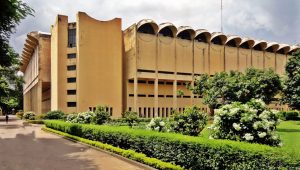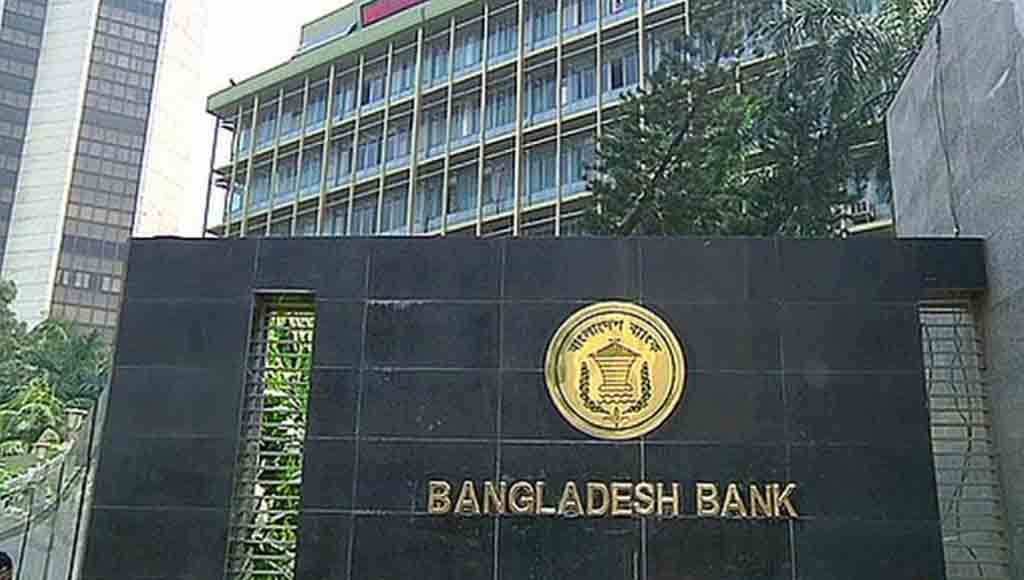

The independence of Bangladesh Bank (BB) could address many macroeconomic challenges currently affecting the country, according to speakers at a roundtable discussion held on Tuesday. The event emphasized the risks of political influence over the central bank and the need for its autonomy to ensure long-term economic stability.
Speakers pointed out that without independence, BB often becomes a political tool, implementing policies based on the government’s agenda rather than economic necessity. They highlighted controversial past interventions, such as lending rate caps, controlling the exchange rate, and financing fiscal deficits through high-powered money injections, which have contributed to rising inflation.
Dr Sadiq Ahmed, vice chairman of The Policy Research Institute (PRI), chaired the roundtable, titled “The Imperative for Central Bank Independence.” The event was organised by PRI and supported by UK International Development (UKID) at a city hotel. Former Commerce Minister Amir Khasru Mahmud Chowdhury was the chief guest.
Chowdhury stressed that BB’s independence is essential for the country’s macroeconomic sustainability. He stated, “The economy cannot function properly without ensuring the independence of Bangladesh Bank,” adding that his party, when in power, had always protected the central bank’s autonomy from political interference.

He also called for the abolition of the Financial Institutions Division (FID), which he believes undermines the bank’s independence.
Syed Nasim Manzur, President of the Bangladesh Leather Goods and Footwear Manufacturers and Exporters Association, explained that while the central bank does not directly regulate their sector, its policies indirectly affect businesses.
He argued that the overvaluation of the local currency, which had been ignored by BB, led to severe devaluation and suffering for the economy.


Dr Fahmida Khatun, Executive Director of the Centre for Policy Dialogue (CPD), outlined four key reasons for an independent central bank, emphasizing the need for legislative support to ensure its autonomy.
She also pointed to past instances where BB had acted under political direction, such as capping lending rates and controlling exchange rates.
Dr M Masrur Reaz, Chairman of Policy Exchange Bangladesh, called for clear monetary policy guidelines and a legal framework that prohibits direct government lending. He stated, “The X-factor here is political will,” emphasizing that without it, reforms would not succeed.
Industry leaders, including Showkat Aziz Russell, President of the Bangladesh Textile Mills Association, and Abdul Hai Sarker, Chairman of the Bangladesh Association of Banks, also voiced concerns.
They pointed to inefficiencies in the banking sector, citing excessive branching and high costs driven by over-licensing.
PRI Chairman Dr Zaidi Sattar concluded the event by calling for a central bank that supports macroeconomic stability and growth-friendly policies. He acknowledged the difficulty of implementing central bank independence but stressed that it is vital for achieving long-term stability.
Dr Sadiq Ahmed highlighted the trade-off between inflation control and economic growth, noting that an independent central bank would focus more effectively on inflation.
Dr Mohammad Akhtar Hossain, BB’s Chief Economist, agreed that autonomy is essential for BB, but emphasized that it should be balanced within the framework of government oversight, like the judiciary, ensuring accountability while enhancing policy effectiveness.
The event also featured Syed Mahbubur Rahman, Managing Director and CEO of Mutual Trust Bank PLC, and other stakeholders, who all called for stronger governance and independence within Bangladesh’s central banking system.