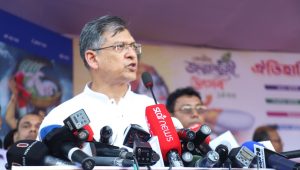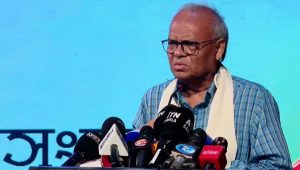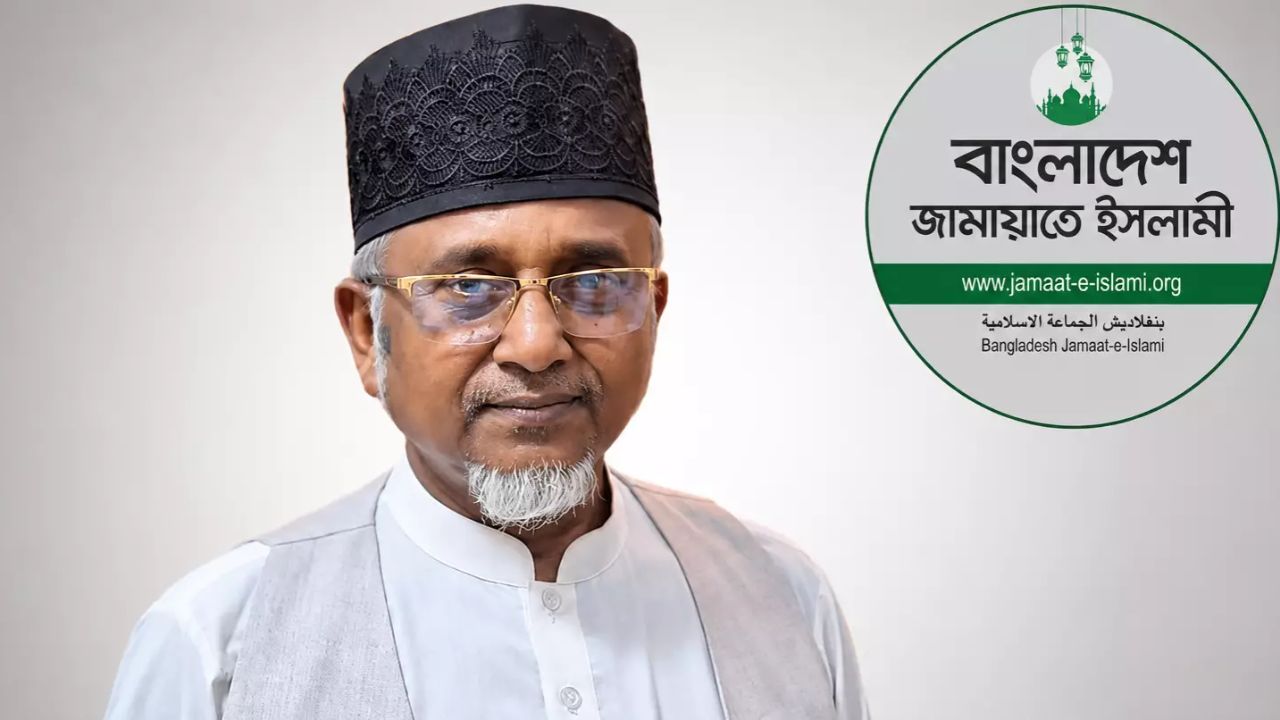



The expulsion of Satkhira-4 lawmaker Gazi Nazrul Islam from Jamaat-e-Islami is unlikely to affect his parliamentary membership, as Bangladesh’s Constitution does not provide for the automatic cancellation of an MP’s seat following expulsion from a political party, legal experts have said.
The issue has come into focus after Jamaat-e-Islami expelled Gazi Nazrul on Wednesday, citing “moral turpitude” following controversy surrounding a viral video circulating on social media.
According to constitutional experts, Article 70 of the Constitution provides that a member of parliament loses their seat only if they vote against the party that nominated them or join another political party. Expulsion from a party is not listed as a ground for disqualification.
Supreme Court lawyer and constitutional expert Shahdeen Malik told TIMES of Bangladesh that Gazi Nazrul’s parliamentary seat is not in immediate legal jeopardy.
“Even if a political party expels one of its members, the Constitution does not empower the Election Commission to revoke that person’s parliamentary membership solely on grounds of moral misconduct,” he said.

The controversy began after a video allegedly showing the lawmaker in an intimate situation with a young woman went viral on social media. Initially, supporters of Jamaat claimed the footage had been created using artificial intelligence (AI).
Gazi Nazrul later said the woman in the video was his second wife and claimed they had married on 17 June. A marriage certificate was subsequently shared with journalists to support the claim.
However, the claim drew further scrutiny after reports suggested the marriage document had been prepared only on Tuesday.



Badrul Alam Md Baki Billah, a marriage registrar in Gabura union of Shyamnagar upazila, reportedly said he was asked over the phone on Monday night to prepare the document and that he had not solemnised the marriage.
Amid the controversy, Jamaat’s central executive council held an emergency meeting on Wednesday and decided to expel Gazi Nazrul under the party’s constitution.
The party also said it would immediately inform the Election Commission of the decision.
Legal experts pointed to past instances where lawmakers retained their parliamentary seats despite being expelled from their political parties.
During the Ninth Parliament, HM Golam Reza, who also represented Satkhira-4, remained an MP after being expelled from the Jatiya Party despite the party’s request to the Speaker to cancel his membership.
Similarly, former Awami League lawmaker Abdul Latif Siddique continued to serve as an MP after his expulsion from the party during the Tenth Parliament before later resigning voluntarily.
Supreme Court lawyer Barrister Jyotirmoy Barua, however, said the Speaker could refer the matter to the Election Commission in light of the expulsion.
If the commission forms a tribunal and finds legal grounds under the applicable laws, the lawmaker’s parliamentary membership could come under review.
He added that Gazi Nazrul could also face separate legal issues over his claimed second marriage.
If the marriage took place on 17 June but was registered only on 21 July, it could amount to an offence under the Muslim Marriages and Divorces (Registration) Act, 1974.
Legal experts further noted that if the second marriage was contracted without the written consent of his existing wife and the Arbitration Council, it could constitute an offence under the Muslim Family Laws Ordinance, 1961, which carries penalties including imprisonment, a fine, or both.