



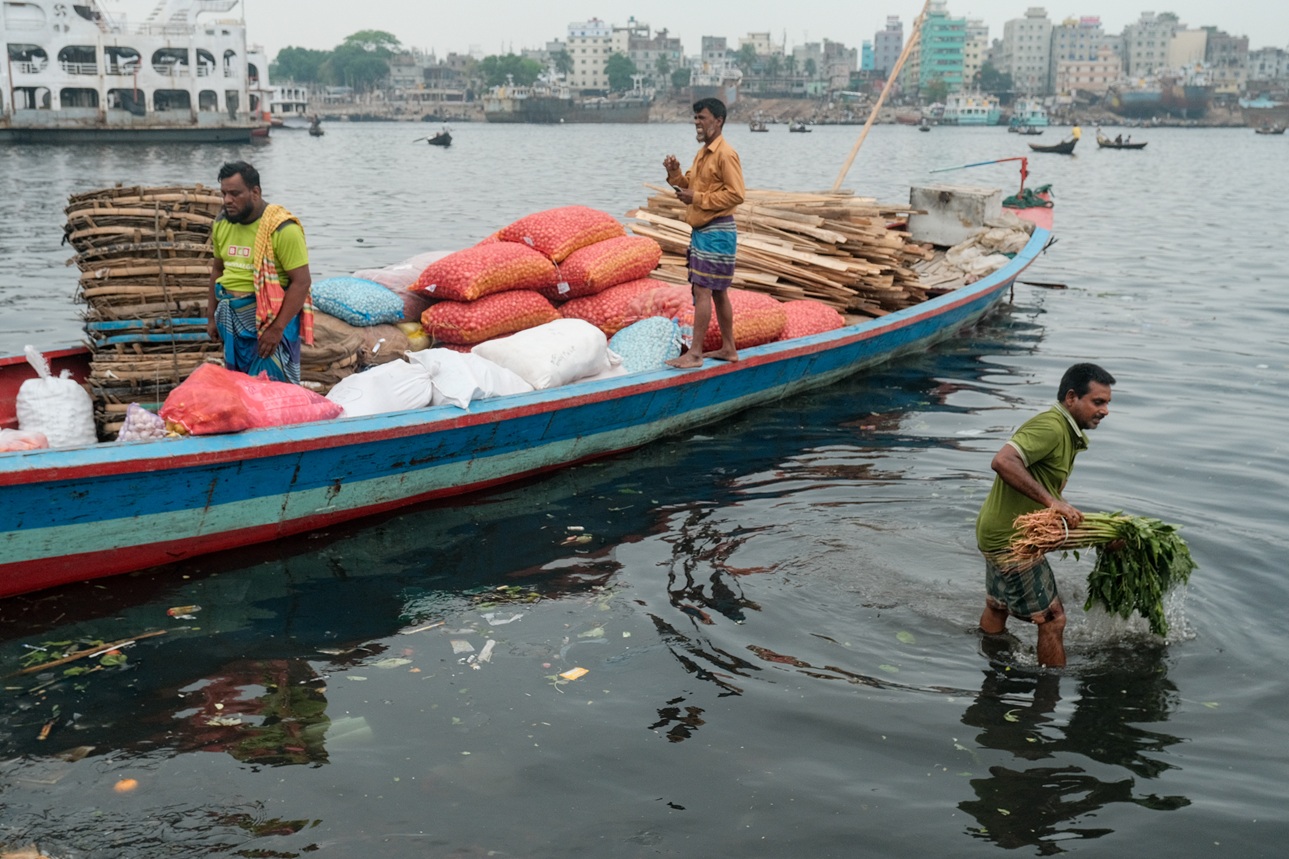
The Buriganga River in Dhaka has always been a symbol of life and movement. The whole day, boats glide along its surface, boatmen steer with practiced ease, while on the riverbanks people wash clothes, bathe, and walk to markets or work. For many families, the river is not just water, it is a source of livelihood, a means to earn, travel, and connect across the city.
However, beneath this lies a deeper and more troubling reality. Buriganga, the most polluted rivers in Bangladesh, carries toxic waste that endangers human health and the environment.
The main source of pollution comes from untreated industrial discharge. Hundreds of factories located on the riverbank, including tanneries, textile and dyeing units, release their waste directly into the water without proper treatment.

Tanneries alone, especially in the Hazaribagh and Shyampur areas, discharge large volumes of chemical laden wastewater, including toxic dyes, acids, and heavy metals. These substances make the water dark, foul smelling, and unsafe for any kind of contact.
In addition to industrial waste, the river receives household sewage, solid waste, and plastic debris from Dhaka’s millions of residents. City drains and open canals carry garbage, sewage, and microplastics into the river, creating floating mats of trash and chemically contaminated water that disrupt aquatic life and water quality.



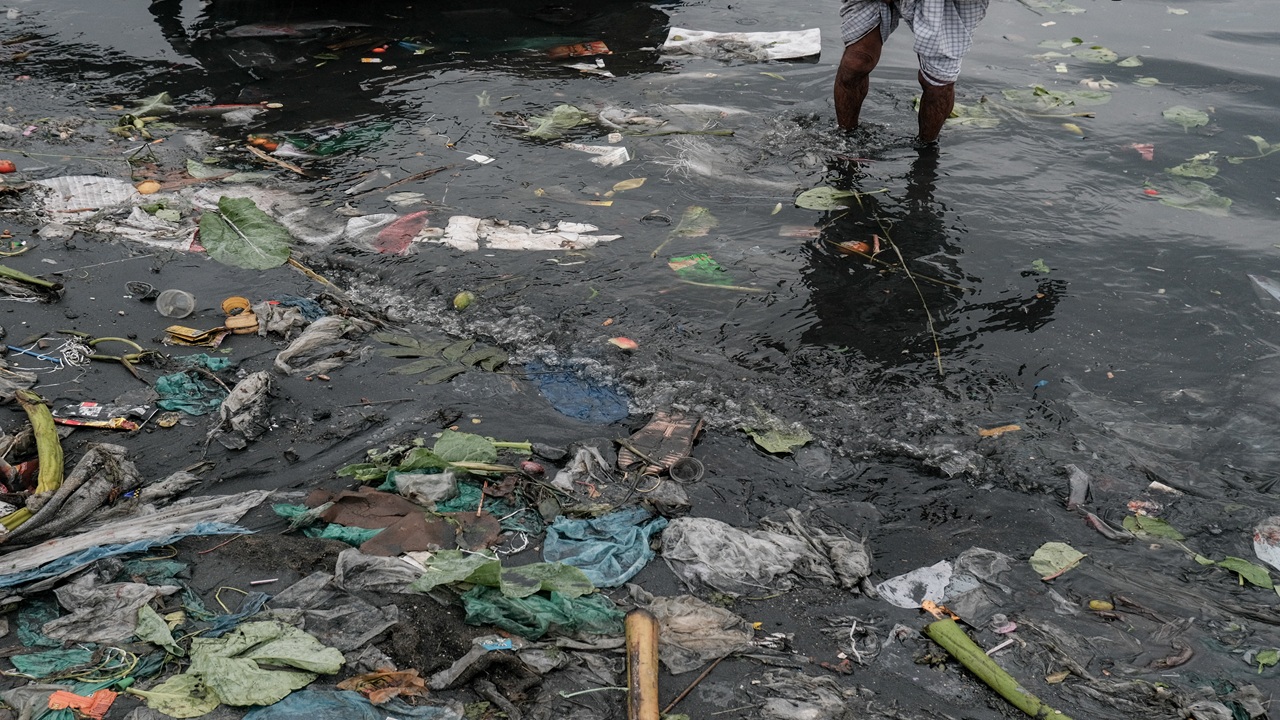
Despite its polluted condition, many people still use the river for basic tasks. Some wash clothes by its edge, children bathe in shallow parts, and boatmen spend long hours navigating its waters. For those who have no safer alternatives, the river remains a daily necessity.
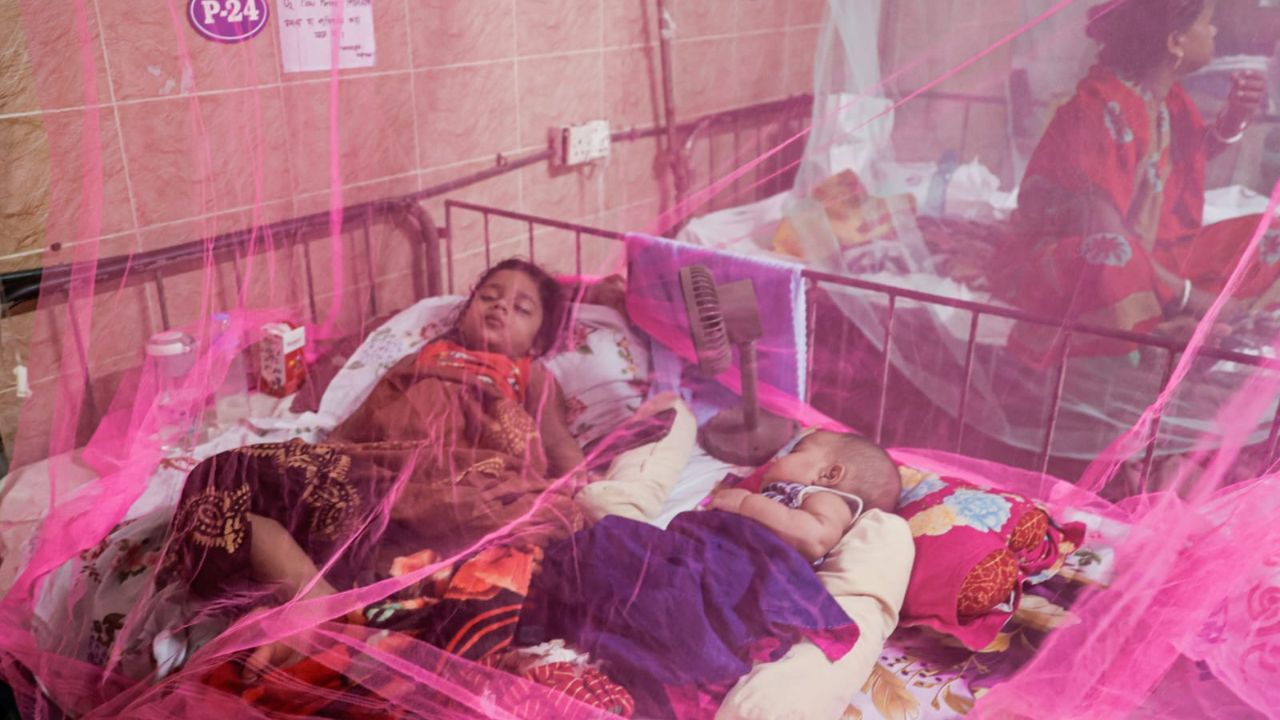
However, the polluted water is a direct health threat. Contact with contaminated river water increases the risk of skin infections, rashes, respiratory problems, gastrointestinal illnesses, and waterborne diseases. Exposure to heavy metals like chromium and lead common in industrial effluents can damage the nervous system, kidneys, liver, and blood function over time.
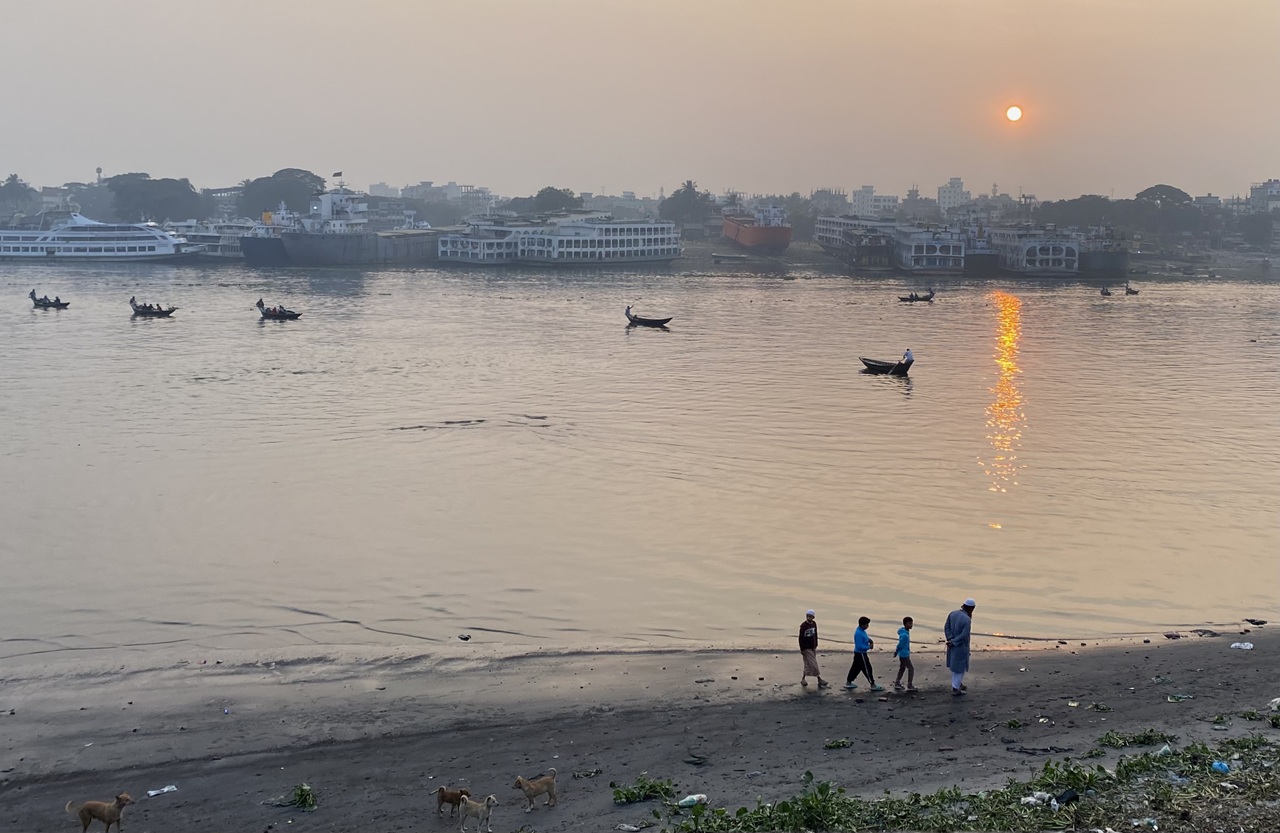
What makes this situation particularly tragic is that people continue these activities not by choice, but because their livelihood depends on the river and there are few economic alternatives. This combination of economic necessity and environmental hazard creates a cycle that is hard to break.
The Buriganga continues to flow, carrying boats, people, and stories of survival every day. For thousands living along its banks, the river remains both a lifeline and a silent threat. Until pollution is controlled and safer alternatives are created, life by the Buriganga will remain a fragile balance between livelihood and risk.