The British Council has called for stronger policy support to scale up sustainable and climate-adaptive architecture in Bangladesh, following a new research study mapping existing practices across the built environment sector.
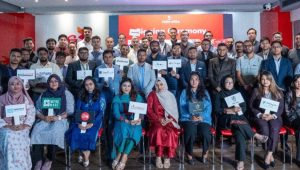
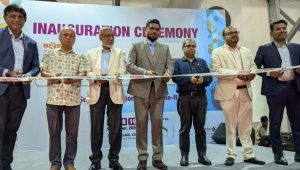
The findings were published in a report titled “Sustainable Architecture Practice”, launched in Dhaka on Saturday in partnership with the Bengal Institute for Architecture, Landscapes and Settlements at Bengal Shilpalay.
The study identifies a growing but fragmented ecosystem of sustainable architectural practices spanning public projects, private sector developments and grassroots initiatives since 2015.

It highlights that many climate-responsive building approaches in Bangladesh draw on long-standing traditional knowledge, including the use of locally sourced materials and passive design strategies adapted to heat, flooding and humidity.
While the report notes increasing innovation in green and climate-adaptive design, it warns that limited policy recognition and weak institutional support are constraining wider adoption and scale.




It recommends targeted policy measures to formalise sustainable architecture within planning frameworks, expand professional capacity and integrate climate resilience more systematically into urban development.
Bengal Institute Director General Kazi Khaleed Ashraf said sustainable architecture should be understood as both a contemporary necessity and a continuation of historical practices shaped by geography and climate.
British Council Deputy Director Bangladesh Maarya Rehman said the research reflects collaboration between UK and Bangladesh expertise and aims to strengthen climate resilience through design innovation.
She said the findings contribute to broader policy discussions on the creative economy and sustainable development, and should help guide future interventions in the built environment sector.
The report also includes case studies and policy guidance developed with input from an advisory group of sustainability experts, alongside a documentary and presentations from researchers involved in the project.