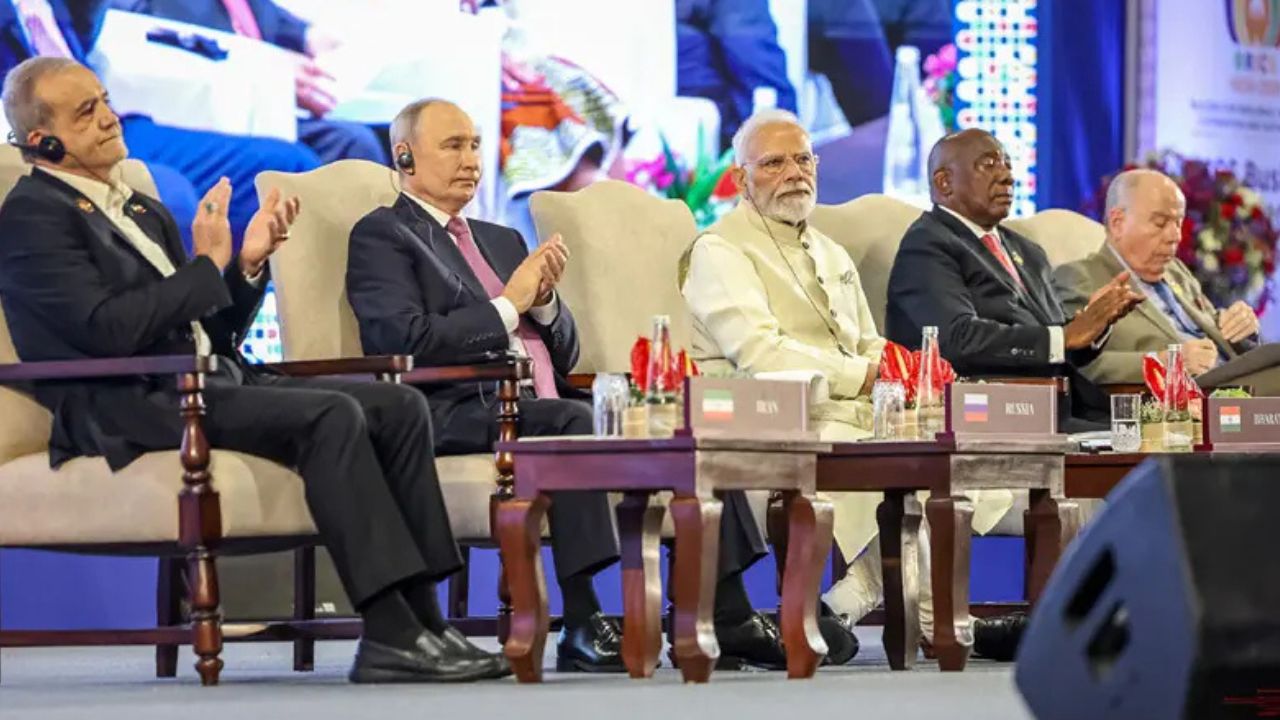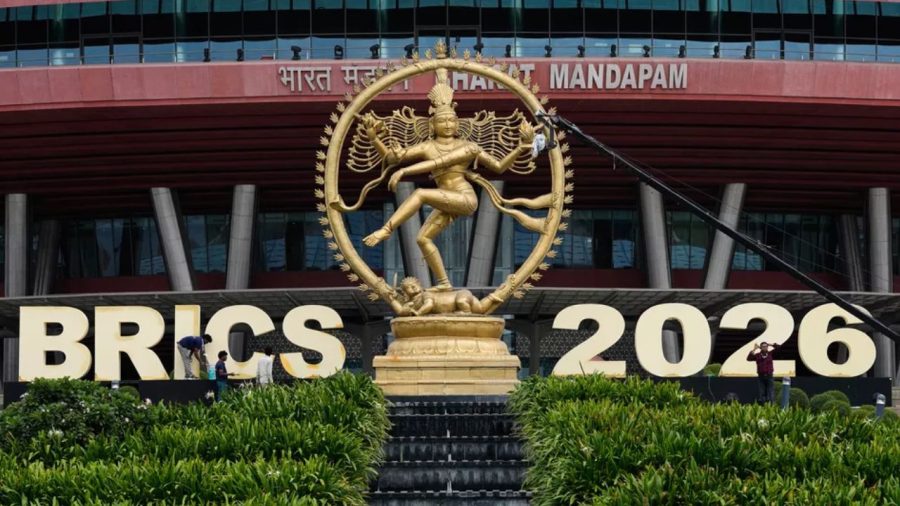

Leaders of Brics grouping on Saturday concluded their summit for the first day after adopting the New Delhi Declaration, which calls for comprehensive reforms of multilateral institutions, strongly condemns terrorism, and denounces trade-restrictive tariffs.
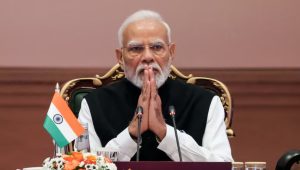
Announcing the consensus document at the conclusion of the summit, Indian Prime Minister Narendra Modi pointed out that changing global realities require updated international bodies, reports NDTV.
“Today’s discussion makes it evident that the changing world cannot be steered by outdated institutions; reforms are essential in representation, responsiveness and rule-making,” Modi said in his concluding remarks.
He added that the Global South must secure equal participation in developing future technologies and their governing rules.
He said the New Delhi Declaration provides a clear direction for the grouping’s shared resolve, placing responsibility on member nations to translate these resolutions into tangible results.

UN Security Council and multilateral reforms
The declaration called for a “structural update” of the United Nations Security Council (UNSC) to ensure greater representation for developing countries across Africa, Asia, and Latin America and the Caribbean.
China and Russia, the two permanent Security Council members represented at the summit, reiterated their support for the aspirations of Brazil and India to play a greater role at the UN, including on the Security Council.

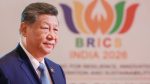
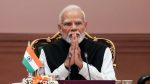
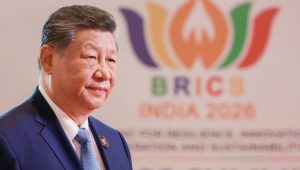
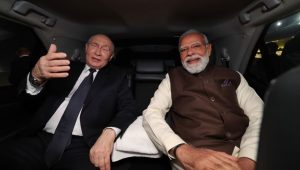
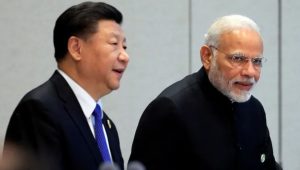
Modi welcomed world leaders to the summit on Saturday, including Russian President Vladimir Putin and Chinese President Xi Jinping.
Marking two decades since its inception and following its expansion beyond its original membership, the grouping said intra-Brics trade should increasingly be conducted in local currencies rather than the US dollar.
Trade restrictions and WTO reforms
Brics reaffirmed its commitment to an open, transparent, equitable, and rules-based trading system, while supporting the reform of World Trade Organization (WTO).
Expressing serious concerns over the rise of unilateral tariff and non-tariff measures, the declaration mentioned that the multilateral trading system has long been at a crossroads.
The document warned that trade-restrictive actions – whether in the form of indiscriminate tariff increases or protectionism under the guise of environmental objectives – threaten to reduce global trade, disrupt global supply chains, and exacerbate existing economic disparities.
Member states pledged to work together to enhance the WTO’s responsiveness to trade disruptions and address the priorities of emerging markets and developing economies (EMDEs).
Middle East security and anti-terrorism commitments
Addressing international security, the declaration denounced “unilateral acts of war” and stressed the need to ensure the safety of seafarers and commercial navigation amidst ongoing military aggression in the Middle East.
The declaration expressed strong condemnation of all acts of terrorism as criminal and unjustifiable, regardless of their motivation, timing, or perpetrator.
Specifically, Brics leaders condemned in the strongest terms the terrorist attack in Jammu and Kashmir’s Pahalgam on 22 April 2025, which killed 26 people and injured many others.
Reaffirming their commitment to combating terrorism in all forms – including the cross-border movement of terrorists, terrorism financing, and safe havens – leaders reiterated that terrorism should not be associated with any religion, nationality, civilisation, or ethnic group, calling for all involved to be held accountable under national and international law.