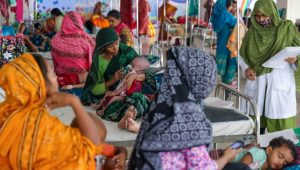
Measles infections among infants under six months may be linked to a lack of breastfeeding, health experts say, as the country records a rise in cases during the ongoing outbreak.
The concern has emerged as more infections are being detected in babies who are still too young to receive routine vaccination.
Authorities have lowered the recommended age for measles vaccination to six months from nine months in response to the surge, but infants below that age remain unprotected.
In the past 24 hours, the Ministry of Health and Family Welfare recorded four deaths and 685 new infections nationwide, with many of the cases involving children under six months.
Medical experts say breastfeeding plays a crucial role in building early immunity in infants, and its absence can leave them more vulnerable to infections.
They warn that without breast milk, infants may experience a gap in immune protection during the first months of life, when they are not yet eligible for vaccination.
Research has also pointed to the same risk.

A 2019 study by Pakistan-based researchers found that antibodies passed from mother to child provide early protection against measles, but these levels decline rapidly after birth and drop significantly by six months.
The study, published in the journal BMC Infectious Diseases, examined measles antibody levels in unvaccinated infants and found a clear link between feeding practices and immunity levels.
Experts say the findings highlight the importance of breastfeeding in protecting infants during the early months, particularly during outbreaks when exposure risks are higher.
“When children receive less or no breast milk, their immunity does not develop quickly; instead, it progresses at a slower pace,” said Professor Dr Abu Torab Md Abdur Rahim, Institute of Nutrition and Food Science, Dhaka University.
He highlighted a “vicious cycle” prevalent in low-income households where financial hardship leads to poor maternal nutrition. This, in turn, results in inadequate nutrition for the child, affecting not only their physical and cognitive development but also their ability to combat diseases like measles.
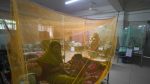
For infants below the age of six months, for whom vaccination is not yet recommended, the situation is particularly precarious.
Mohammad Mushtuq Husain, a public health expert and former Chief Scientific Officer of the IEDCR, said these cases must be managed through individual supportive care.
“We need to closely monitor symptoms and prioritise measures like breastfeeding and overall care,” Husain told TIMES of Bangladesh.
He noted that while the new policy to vaccinate from six months is a necessary step – even if the vaccine is only 50 per cent effective at that age – it still leaves a gap for those aged two to three months.
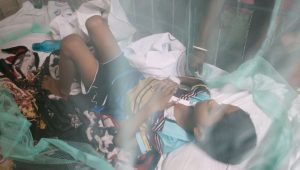
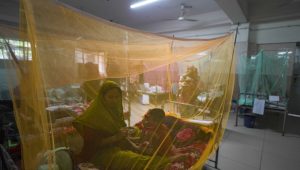
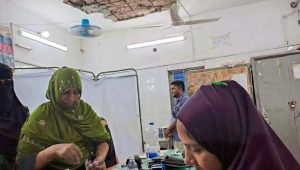
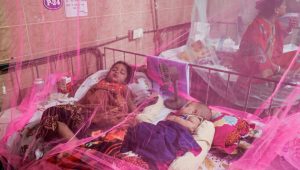
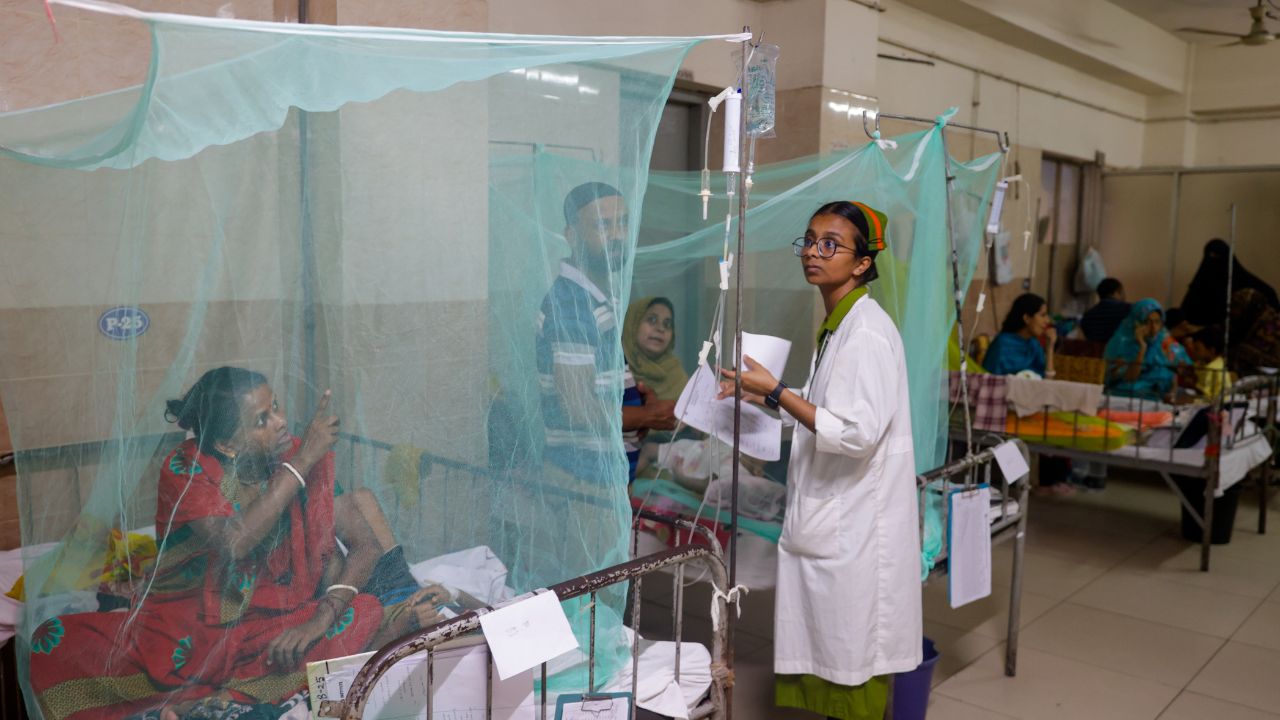
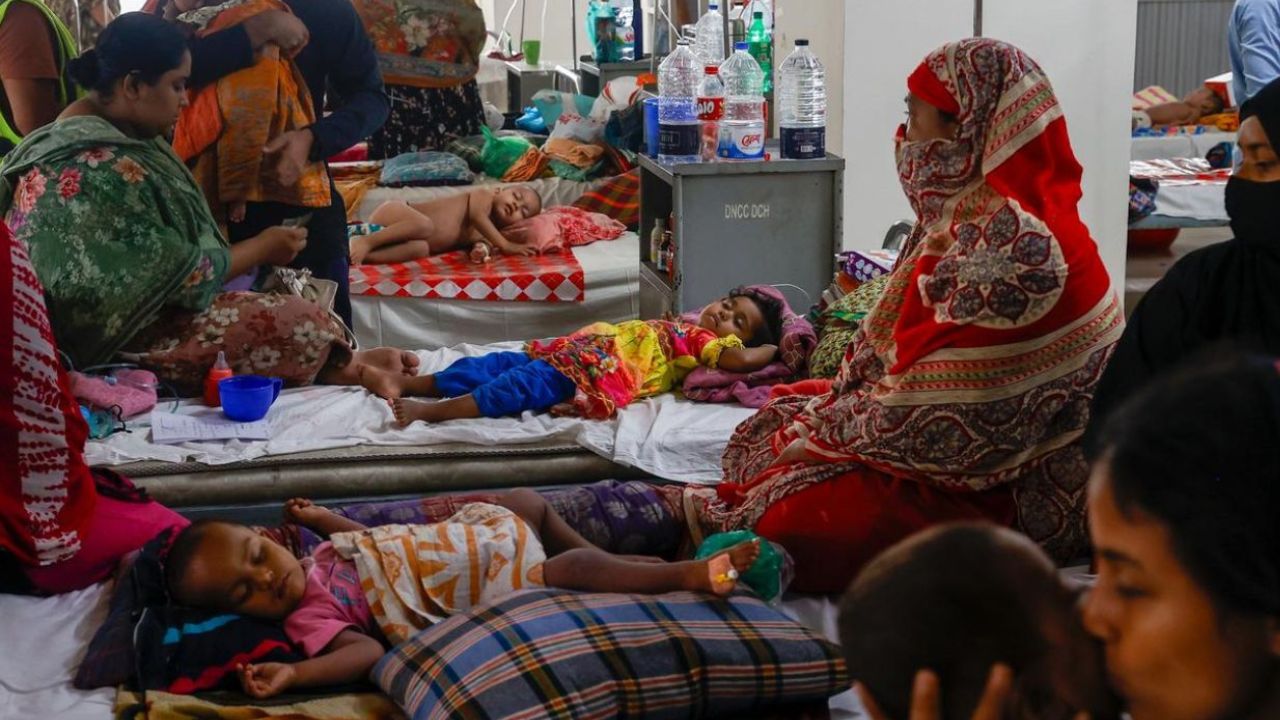
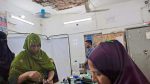
The human cost of this nutritional and medical crisis is visible in the corridors of Mugda Medical College Hospital and the Infectious Diseases Hospital in Dhaka.
Rahima Begum, a mother who traveled from Bhola to seek care for her two-month-old daughter, Raisa Moni, spent days in agony as her child struggled to breathe.
Raisa, who has been suffering from fever, vomiting and rashes for 15 days, reflects a common pattern seen in public hospitals, where many patients are children from low-income families with underlying nutritional deficiencies.
The treatment of such severe cases requires a two-pronged approach, but experts warn that the second phase is often financially out of reach for the poor.
Dr Rahim explained that after the initial clinical intervention to save a life, children require intensive nutritional support.
“Children are given easily absorbable nutrients such as amino acids, fatty acids, and glucose-based liquid food,” Rahim said.
However, he admitted these interventions are costly and beyond the reach of poor families, calling for the government to strengthen these provisions at the hospital level.
In response to the surge, the DGHS is revising its treatment protocols. Mohammad Shahariar Sajjad, deputy director (EPI) at the DGHS, confirmed that a six-month Vitamin A Plus supplementation is being integrated into the treatment for infected patients.
Under the new guidelines, Vitamin A should be administered on the day of diagnosis and again the following day.
Furthermore, the government is considering the launch of Vitamin A campaigns alongside future measles-rubella (MR) vaccination drives to bolster the nutritional standing of the pediatric population.
While these administrative moves aim to curb the transmission, public health officials continue to stress that the foundation of infant health remains maternal nutrition and breastfeeding.
For the youngest infants under six months, who cannot yet be reached by a syringe, breastfeeding remains the primary line of defense against a disease that is currently claiming lives daily.
“Strengthening routine immunisation and addressing logistical challenges, including vaccine supply and workforce shortages, is essential to prevent disruptions,” Mushtuq Husain said.