


A garment export transaction between Bangladesh and the UK has cut the time needed to process trade documents from 40 days to one, showing how digital technology can remove delays in cross-border trade.
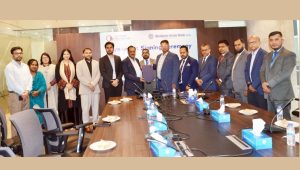
BRAC Bank has completed Bangladesh’s first fully digital export documentary collection using blockchain technology and an electronic bill of lading (eBL), involving local garment exporter NAZ Bangladesh and UK fashion retailer Matalan, the bank said on Thursday.
The transaction replaced the conventional movement of physical documents between banks and other parties with their electronic creation and transfer.
BRAC Bank acted as the remitting bank in Bangladesh, while British banking group Lloyds Bank served as the collecting bank in the UK.
Using Italian digital trade technology provider Enigio’s solution, the parties electronically created and transferred original trade documents, including an eBL and a digital promissory note.

An international shipping company issued the eBL, while digital trade specialist Digital Trade Works coordinated the transaction.
Document processing was completed in one day, compared with the conventional 40-day timeframe cited for the transaction.
The reduction applies specifically to document processing, not the entire export or payment cycle. Digital transfers also provided greater security and transaction visibility, reducing the risk of documents being lost, delayed or altered without authorisation.
For garment exporters, faster documentation can improve working capital management and reduce administrative delays when dealing with overseas buyers. Wider adoption of electronic documents could also lower administrative costs and strengthen supply-chain efficiency.




BRAC Bank Managing Director (MD) and CEO Tareq Refat Ullah Khan said the achievement demonstrated how technology could accelerate working capital cycles, reduce documentation delays and improve the global competitiveness of Bangladeshi exporters.
He said supporting the ready-made garment sector and the country’s export economy remained a strategic priority for the bank, and credited Bangladesh Bank’s guidance and the collaboration of the participating organisations for making the transaction possible.
NAZ Bangladesh MD Nasir Uddin Ahmed said speed and reliability were essential to garment exports.
The digital transaction with Matalan and the banking partners, he said, showed how greater efficiency and transparency could improve the company’s international dealings and operational performance.
For the UK retailer, digital documentation can also improve inventory management and shipment planning.
Matalan Head of Trade Finance Su Ashworth said replacing physical courier services with digital document transfers had helped streamline inventory management and reduce the risk of shipment delays. She said the paperless process also supported the retailer’s efficiency and sustainability goals.

Lloyds Bank MD and Head of Transaction Banking Products Surath Sengupta said digital documentation could make trade flows faster and more transparent while reducing operational friction.
He described the UK-Bangladesh corridor as an opportunity to expand digital trade across global supply chains.
Enigio Chief Sales Officer Alex Waites said the transaction showed that fully digital documentary collection could move beyond a technical concept to deliver measurable commercial benefits at scale.
Merisa Lee Gimpel of Digital Trade Works said digitising every document, including the bill of lading and promissory note, was essential to reducing the process from 40 days to one. She credited Bangladesh Bank’s circulars issued this year with providing the regulatory groundwork for the transaction.
The transaction was completed within the applicable regulatory framework, with support from Bangladesh Bank’s initiatives and guidance on digital trade documentation.
BRAC Bank said it would continue exploring digital trade solutions to help Bangladeshi businesses conduct international transactions more efficiently and compete in global markets.