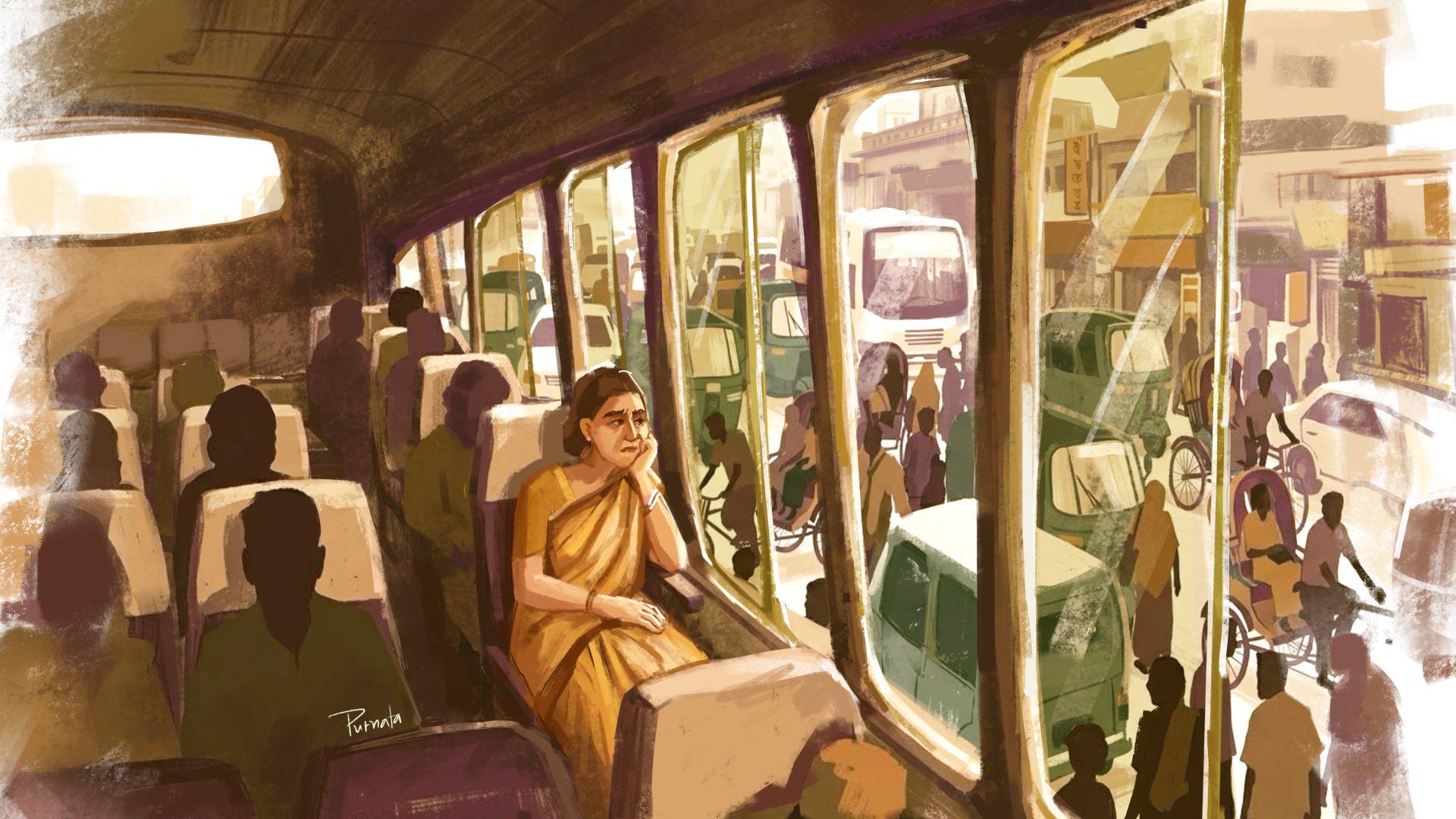
Travel has a way of reshaping how we perceive the world and ourselves. For many, the journey to a new place is an opportunity to explore, learn and grow. But for women in Bangladesh, even the shortest trip can be fraught with layers of concerns like suspicion from families, societal scrutiny and safety. The idea of women travelling often sparks anxiety, limits and restrictions. Yet it is precisely this challenge that makes the story of women who dare to explore so remarkable.
Their beginnings were modest, just three girls testing the waters with a single trip. But by 2017, the group had taken on its first audacious challenge: a motorbike journey across all 64 districts of Bangladesh. The mission was not only to prove that women could travel without men; it was to show young girls in every corner of the country that freedom of movement could be theirs too.
Dr Sakia Haque, Dr Manoshi Saha and Silvy Rahman, then interns at Dhaka Medical College, loved travelling, but every trip came wrapped in suspicion and curfews. “Our families allowed us out only with constant phone calls and endless anxiety,” they recall. “We thought, what if we went in a group? Maybe then they’d relax.”
What began as a workaround for anxious parents became something far larger: Bhromonkonna — a woman-only travel collective that today counts over 80,000 members and more than 300 trips across the country.
They called it the Gender Equity and Empowerment programme. At every stop, they visited schools — at least eight schools per division each month — talking to girls about reproductive health, independence and the simple, radical idea that travelling could change the way they saw themselves.
“We wanted them to understand that empowerment doesn’t have to wait until adulthood or marriage,” Sakia explained. “It can begin the moment you step out of your door.”
The trips were self-funded. To reassure families, the founders contacted local administrators, DC offices and even the Bangladesh Tourism Board before each journey. Background checks, bus pools, safety protocols etc. were all arranged so parents could be convinced. Slowly, mothers who had once been denied travel by husbands, and later by grown sons, began packing bags and joining in.
What makes Bhromonkonna unusual is that it never stopped at sightseeing. The founders built Bhromonkonnar Ghor — women-only dormitories in ten districts where students can stay safely for just Tk 350 a night.
“For many girls, the problem isn’t just travelling from one city to another,” Manoshi explained. “It’s having somewhere safe to sleep when they get there.”
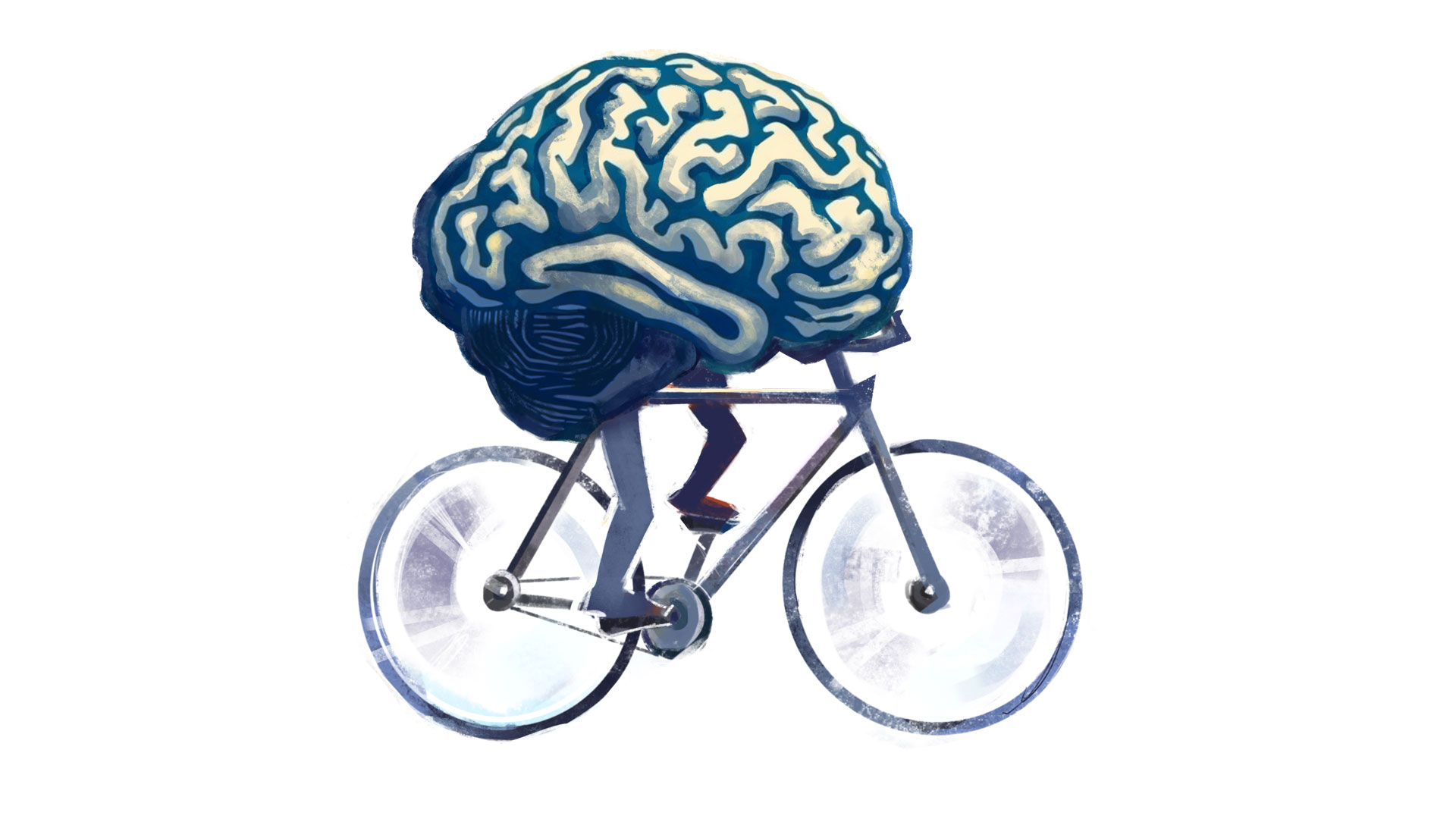

And travel itself became a gateway to bigger freedoms. The group has taught women to cycle, swim, practise karate and learn self-defence. “We don’t just take women from one place to another,” Sakia said. “We move them forward.”
Perhaps their most dramatic moment came in 2018. On a trip to Saint Martin’s, the group discovered a man secretly photographing women without consent. They confiscated his camera and realised it held not just their images, but pictures of countless women taken in public spaces.
The incident escalated quickly. The man was handed over to tourist police, who initially tried to brush it off. “Some even said that he only took pictures so what’s the harm?” Silvy recalled. The women refused to back down. They insisted it was a cybercrime and demanded action. Eventually, the police filed a case, fined the offender Tk 20,000 and confiscated his phone.
The story went viral. For once, women had not been shamed into silence. Instead, they had forced accountability — and won. “It showed everyone that the law will stand with women if we insist on our rights,” Silvy said.
The journey wasn’t without setbacks. The group once received support from UNDP, but civil unrest in the United States disrupted donor pipelines. Funding dried up. Still, the founders refused to stop. “Grants or no grants, we continue,” Manoshi said. “Because this is more than travel; it’s social work.”
Even without institutional support, the movement spread. Inspired by Bhromonkonna, new women-only groups have sprung up across the country. Some are commercial agencies; others, like the original, run on trust, volunteerism and sheer willpower.
For many women, joining a trip is the first act of rebellion against lives defined by restriction. The impact is visible: confidence in walking into new cities, friendships formed over campfires, mothers and daughters travelling together for the first time.
“It goes beyond the bus rides and hotel bookings,” Sakia said. “Travel becomes a form of emotional independence. You learn you can depend on yourself, not just on others.”
And the ripple effect is wide. The founders estimate they’ve reached thousands of students through school visits and hundreds more through their dormitories. Every trip chips away at the idea that women must stay home to be safe.
From three girls sneaking past anxious families to 80,000 women claiming the roads, the transformation is staggering. Yet the spirit remains the same: safety, solidarity and the thrill of seeing your country on your own terms.
As for their guiding philosophy, Dr Sakia doesn’t hesitate. “To empower women through travelling — that is, and always will be, the heart of Bhromonkonna.”
“When you learn to board a bus alone, to walk through a strange city, to handle your own money, it changes something inside you. You realise you are capable. That confidence doesn’t stop when the trip ends — it follows you home. That is why this is not just about seeing new places. It is about becoming a new version of yourself,” concluded Dr Sakia.