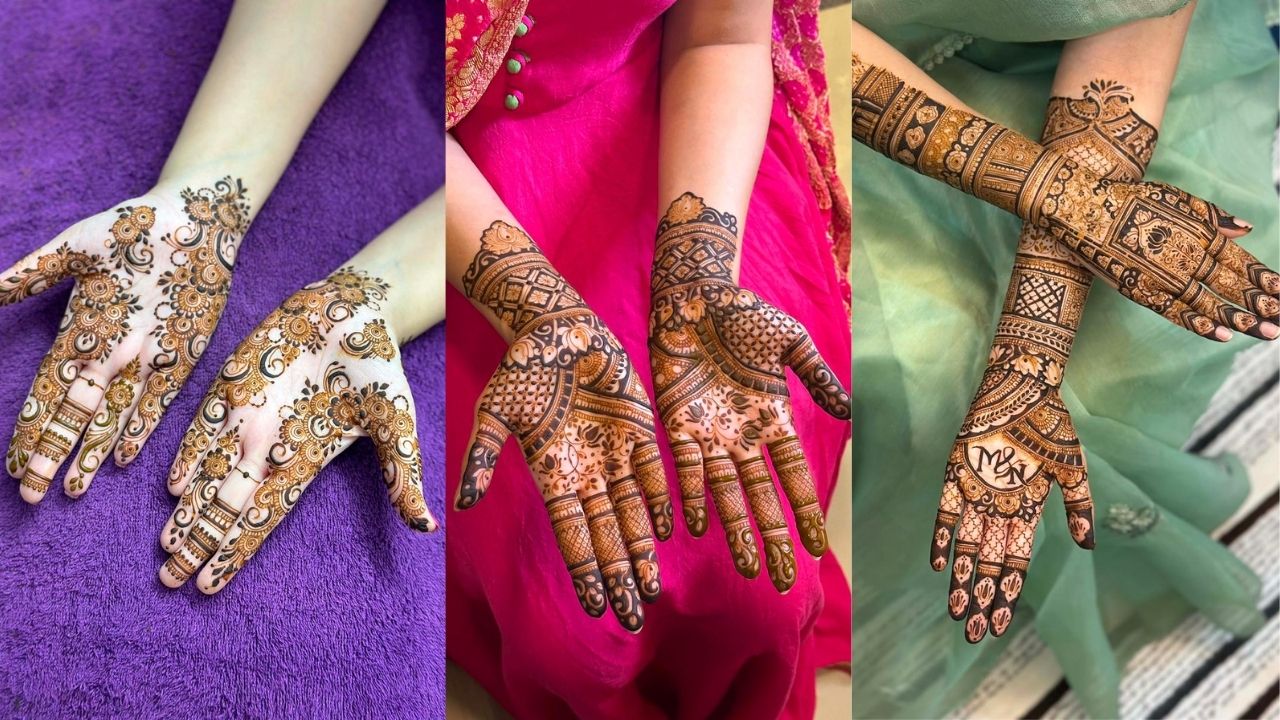



Once a cherished part of weddings, Eid celebrations and girls’ gatherings, mehendi has grown beyond a traditional beauty ritual. Across Bangladesh, artists are turning their creativity, patience and cultural connection into year-round professions, while some are expanding into teaching and selling their own henna.
There is something almost magical about waiting for mehendi to dry.
For many Bangladeshi girls, the memory begins at home, sitting beside mothers, sisters or cousins, keeping their hands still as the wet paste slowly dried. There was the familiar earthy smell of mehendi, the temptation to touch something and the excitement of seeing the colour deepen hours later.
The designs might have been simple, a flower in the middle of the palm, vines around the fingers or small dots along the wrist. But the experience was rarely just about decoration. It was about girls sitting together, talking, laughing and sharing a moment.
Today, that familiar ritual has taken on a new form.

A growing number of professional artists across Bangladesh now take bookings for weddings, engagements, holud ceremonies, birthdays, photoshoots and other events. Some work from home, some travel to clients, while others have built their businesses through Facebook and Instagram.
And they are not all women.
Male mehendi artists are also becoming part of Bangladesh’s growing henna community, showing how the craft is increasingly being recognised as an art and profession rather than something associated exclusively with women.
The mehendi cone has become more than a tool for decoration. For many artists, it is now a business tool.
From Family Skill to Professional Art
The modern mehendi artist works very differently from the women who once prepared henna at home.

Today’s clients often arrive with saved photographs from Instagram or Pinterest. They may request Arabic-inspired patterns, dense bridal designs, minimalist compositions, mandalas or personalised motifs.
Some brides want their wedding dates or initials incorporated into the design. Others want symbols connected to their relationship or elements that match the theme of their wedding.
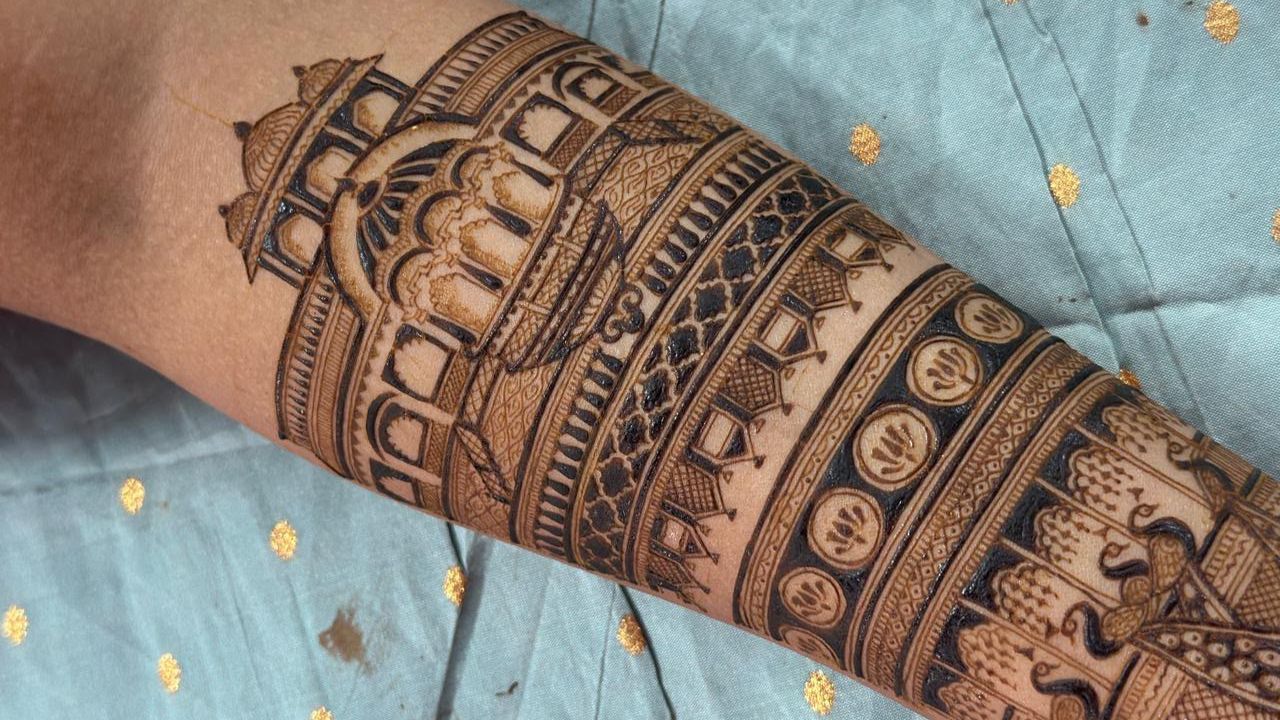
That means the artist is no longer simply reproducing traditional patterns. She is designing something specifically for the person sitting in front of her.
And that has transformed mehendi from a familiar household skill into a specialised form of beauty artistry.
When a Hobby Becomes a Career
For many artists, their hands have effectively become their brand.
Sadia Sultana Mimi is one such artist. She started doing mehendi during her college days, initially as a hobby. As friends, relatives and eventually other clients began requesting her work, the hobby gradually became a profession after opening her work page “Mehendi by Mimia”.
Today, mehendi is Mimi’s business and an important source of income. She charges Tk250 to Tk10,000 per appointment, depending on the design and demand.




“I started doing mehendi during my college days. At first, it was simply something I enjoyed doing. Gradually, people started appreciating my work and asking me to do their mehendi. That is how my hobby slowly turned into a profession and a source of income for me,” Mimi says.
Her rates are not fixed. According to Mimi, the price varies depending on the complexity of the design, time required, season, type of event, amount of work and customer demand.
Bridal designs, for instance, can require more time and intricate detailing than simpler festive or party designs.
Her journey reflects how mehendi has evolved from something girls often practised on one another at home into a specialised skill that customers are willing to pay for.
Social Media Put Mehendi Artists on the Map
For Bangladesh’s mehendi artists, social media has transformed what was once largely a local, word-of-mouth service into a visible creative business.
Facebook and Instagram allow artists to showcase their work, build portfolios and reach clients beyond their immediate neighbourhoods. A photograph or video of a detailed bridal design can attract potential customers and help an artist establish a recognisable style.
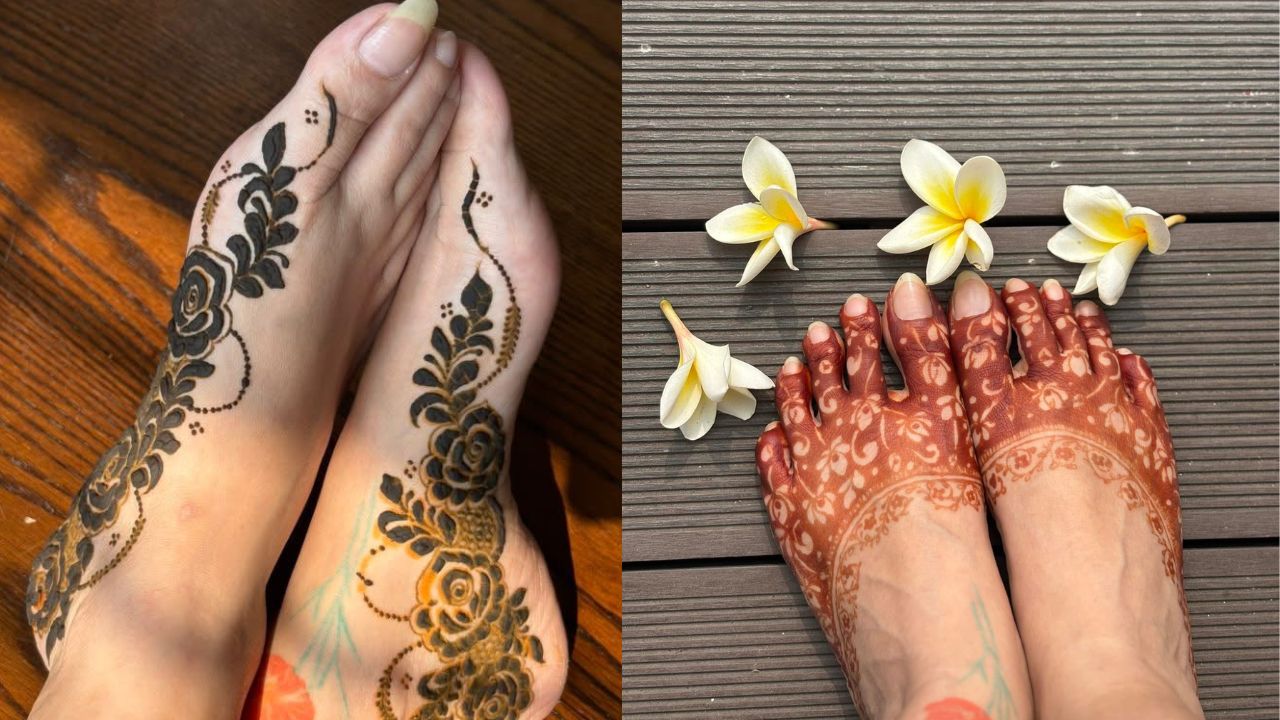
It has also changed how customers choose their artists. Brides can browse portfolios, compare designs, save references and communicate directly with artists before booking an appointment.
This has encouraged artists to experiment with new patterns and keep up with changing preferences. It has also allowed many to work from home without the cost of maintaining a permanent studio.
For younger artists, particularly students, that flexibility can make mehendi a practical source of income alongside their studies.
Social media has opened opportunities beyond appointments as well. Artists can promote their own henna products, announce workshops and offer online classes to students in different locations.
A skill once largely practised within families and social gatherings can now reach a much wider audience.
For many artists, social media has not only brought customers to their work; it has helped turn their work into a profession.
From Artist to Entrepreneur
For some mehendi artists, the business does not end when the design is finished.
As demand has grown, artists have begun expanding into other parts of the industry- making and selling their own henna, teaching aspiring artists and creating additional income streams.
Kabir Hassan Afridi, a fourth-year student, is one example of how mehendi artistry can grow alongside education.

Afridi works as a professional mehendi artist while also taking online and offline classes in mehendi artistry. Teaching has become another source of income for him, while allowing him to share the skills he has developed with others.
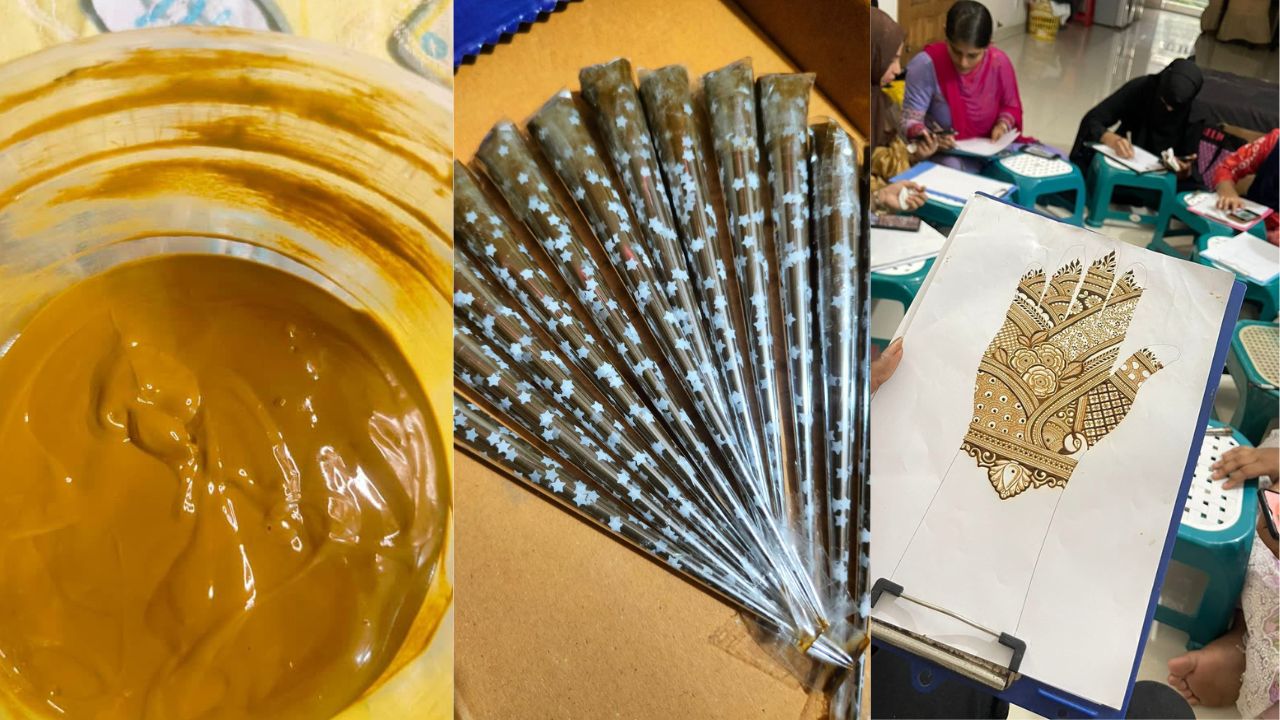
His work also extends to the product itself. He makes mehendi himself and sells it, adding another dimension to his business. He sells per 18gm mehendi for Tk100.
His journey shows how the mehendi profession is developing beyond individual appointments. An artist can now work as a designer, teacher and seller at the same time.
In this way, one person’s skill can create more than one source of income, not only for the artist but also for people who learn the craft and eventually enter the profession themselves.
Building a Year-Round Mehendi Business
While Eid can bring a surge in demand, professional mehendi artists are no longer dependent on seasonal work.
Weddings provide bookings throughout the year, while engagement ceremonies, holud functions, birthdays, cultural programmes, photoshoots and private events create additional opportunities.
Some artists offer different packages depending on the complexity of the design. A simple hand design may take a relatively short time, while elaborate bridal work can require several hours.
Others build teams, train junior artists and take multiple bookings simultaneously.
This has created a small but growing ecosystem around mehendi artistry.
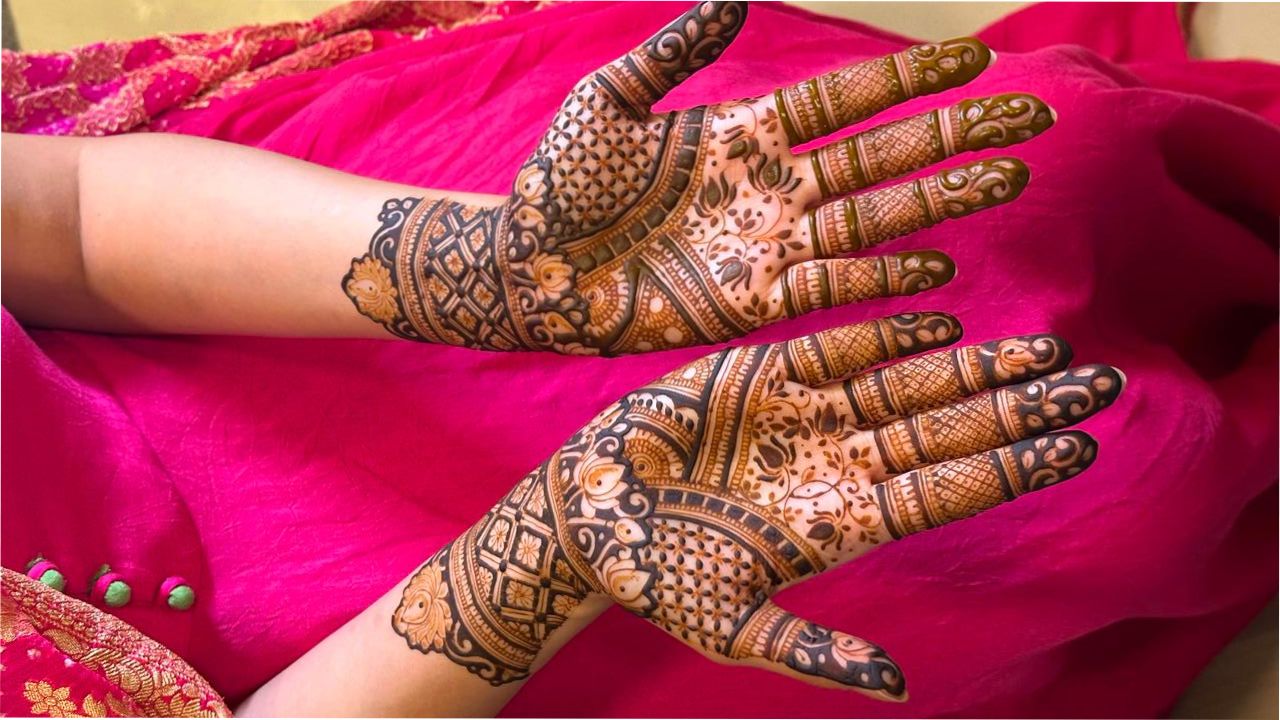
There are artists who specialise in bridal designs, artists known for minimalist work, artists who focus on Arabic patterns and others who have developed distinctive styles of their own.
The more recognisable their work becomes, the easier it is for clients to identify them online.
The Work Behind the Beautiful Hands
Being a mehendi artist may look effortless from the customer’s side.
Artists spend hours practising patterns, developing speed and learning how different designs work on different hand shapes. They manage bookings, communicate with clients, prepare cones, purchase supplies, travel to appointments and maintain their online portfolios.
There is little room for hesitation. Every line has to be deliberate. Yet for many, seeing a finished design makes the effort worthwhile.