The owner of the Mahmuda Saree Ghor excitingly shares, “This store is named after my eldest daughter. My business is just as old as she is.” Which is to say the colorful business of this saree store is over 40 years old now. The family single-handedly had been dealing with this trade for years with three of the sons actively working with their father in the store.
In Mirpur’s Benaroshi Polli, this family traditions of business is a very common practice. Beyond the glittering fabrics and crowded aisles of the Polli, there lies a much deeper story – one of resilience, family entrepreneurship, and the remarkable contribution of the local Bihari community to the capital’s commercial success.
For the Bihari community living in Mirpur and surrounding areas, this marketplace had been serving as a major source of income and catalyst in business development, for decades. Most of the trades here are simply family-run, passed down through generations. More importantly this place works as a community harmony between Bengalis and Non-Bengalis.
Since the beginning, especially after the independence of Bangladesh – they’re working together hand in hand to change their fates and the business ecosystem of the country. Their dedication, hard work, and business acumen have transformed this market into one of Bangladesh’s most credible destinations for wedding shopping. This is a hub for foreign business as well.

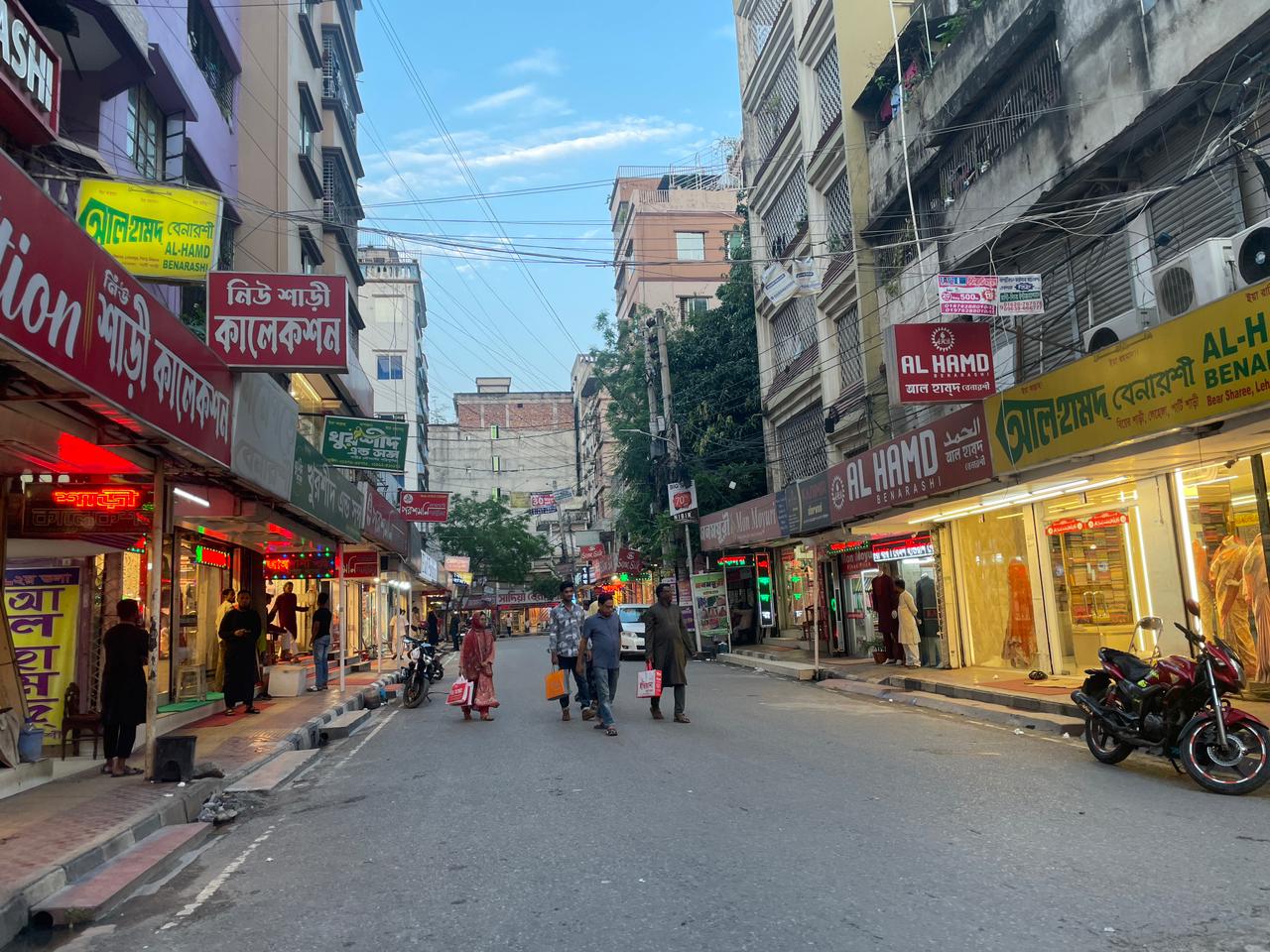
Because interestingly, the sarees and lehengas sold here are not woven in Bangladesh. Most are imported from India and Pakistan, carefully selected to match the tastes of Bangladeshi buyers. So, most of the trade in this market is dealt with India and Pakistan.
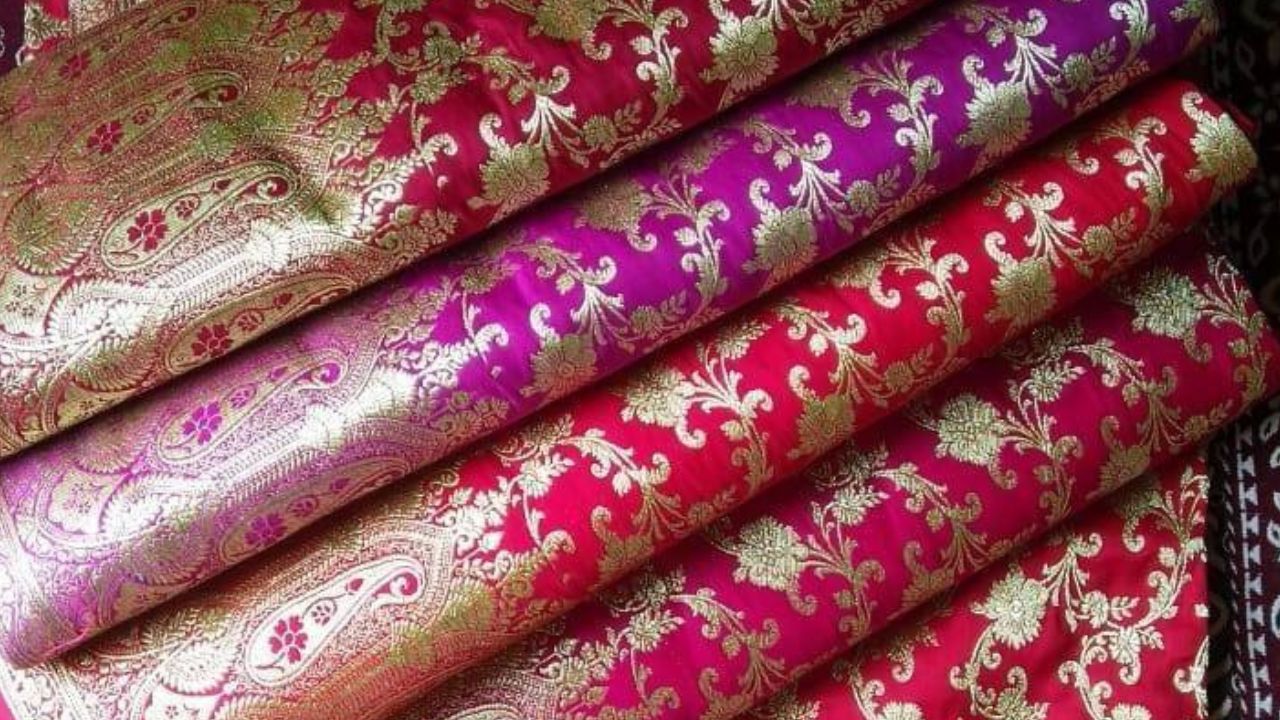
Walking through the narrow passages of the Polli, one is instantly immersed in a world of wedding attires. Glittering sarees hang from every corner, shopkeepers call out warmly to visitors, and customers carefully inspect fabrics under bright lights.




During wedding season, the market becomes especially lively as families from all over Dhaka come here to find the perfect attire for engagements, weddings, and festive occasions. People hardly go empty handed from this place.
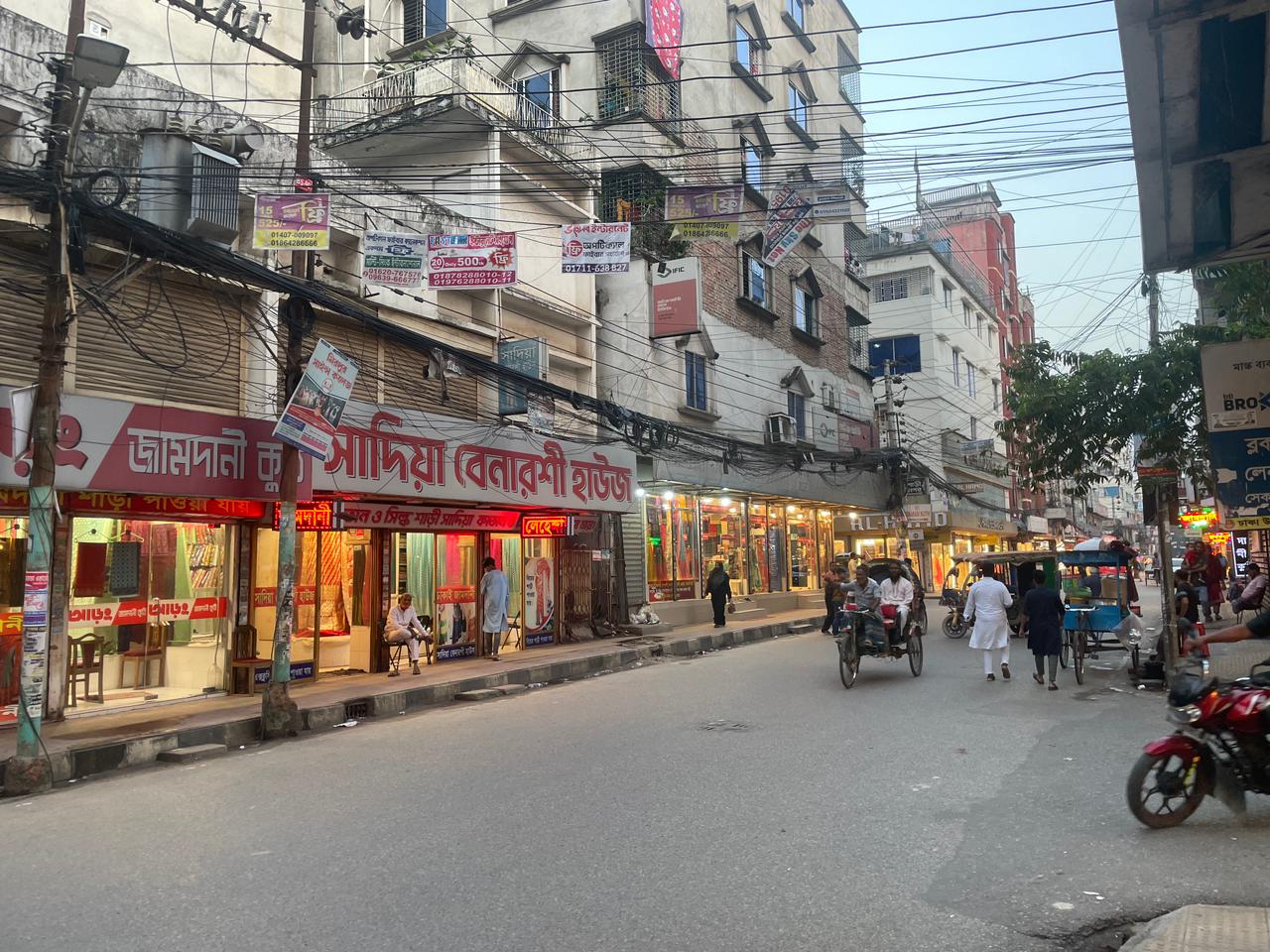
Visiting the shops offers a perfect example of the spirit that defines this marketplace. Locally owned and operated by Bihari families for more than 50 years, the stores represent the essence of family-driven business and communal harmony.
Inside the Mahmuda Saree Ghor, the family dynamic is immediately visible. The father, the heart of the business, calmly oversees operations, offering instructions to his sons, who manage both the physical store and its growing online presence. While the older generation ensures the preservation of values and customer relationships, the younger generation adapts to modern demands through virtual sales and digital marketing.
What stands out most is the owner’s demeanor. Despite spending decades in the demanding world of retail, he remains remarkably calm, cheerful, and approachable. He greets customers with a smile, jokes warmly with workers, and handles the rush of business with admirable patience. Watching him interact with both staff and shoppers’ offers a touching glimpse into the human side of commerce.
The shop also employs several Bengali workers, reflecting the larger reality of Benaroshi Polli, where Bangalis and Biharis work side by side every day. Inside the shops they communicate both in Bangla and Hindi in a very comfortable manner that it brings even more homely sense to the business.
Throughout the marketplace, this collaboration is visible in every sho- employees assisting customers, arranging displays, and managing sales together. It is a quiet yet powerful example of community friendship.
While most businesses in the Polli are owned by Biharis, the market thrives because of this shared effort. Here, identity takes a backseat to cooperation while trade becomes a bridge connecting communities. Benaroshi Polli is more than a marketplace. It is a living example of how business can preserve heritage while fostering unity.