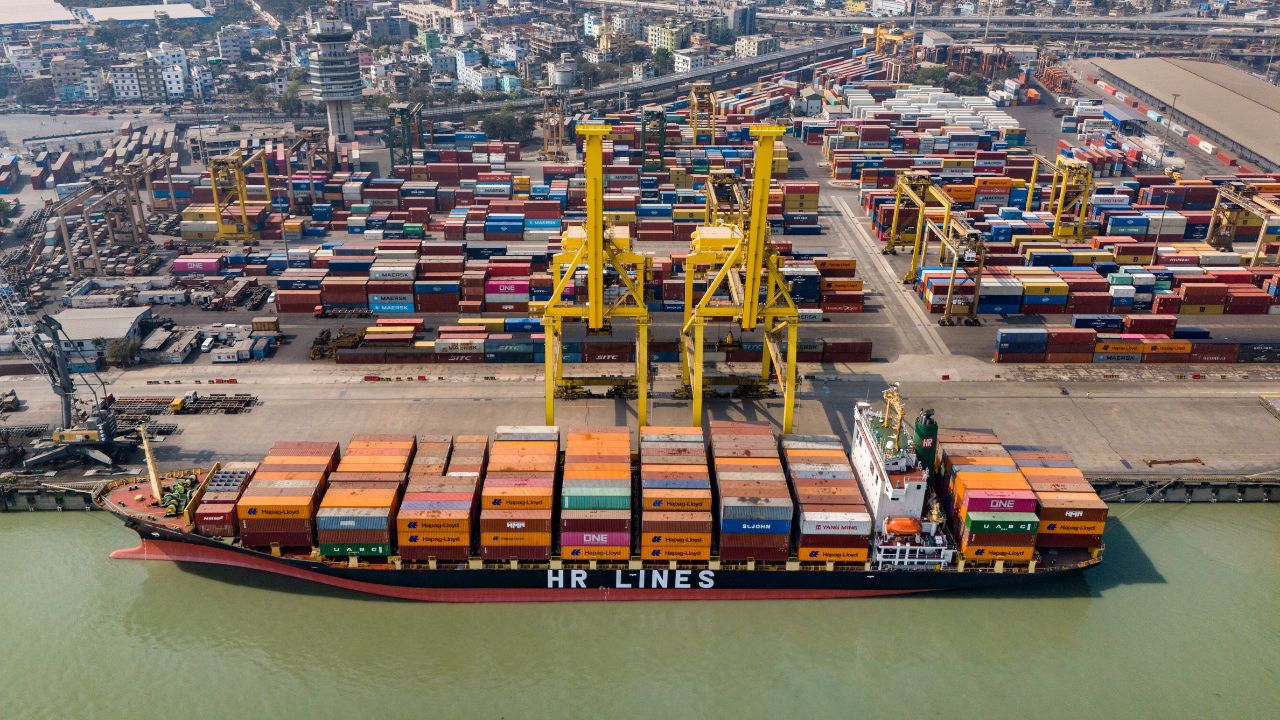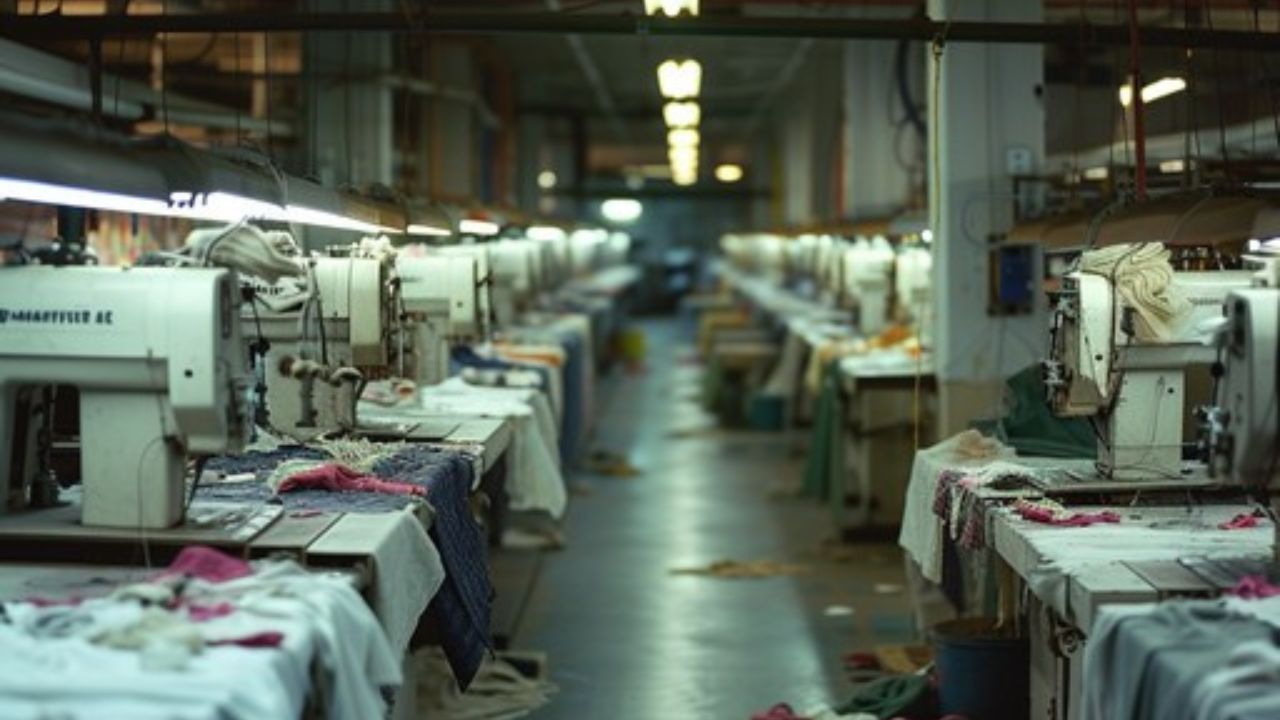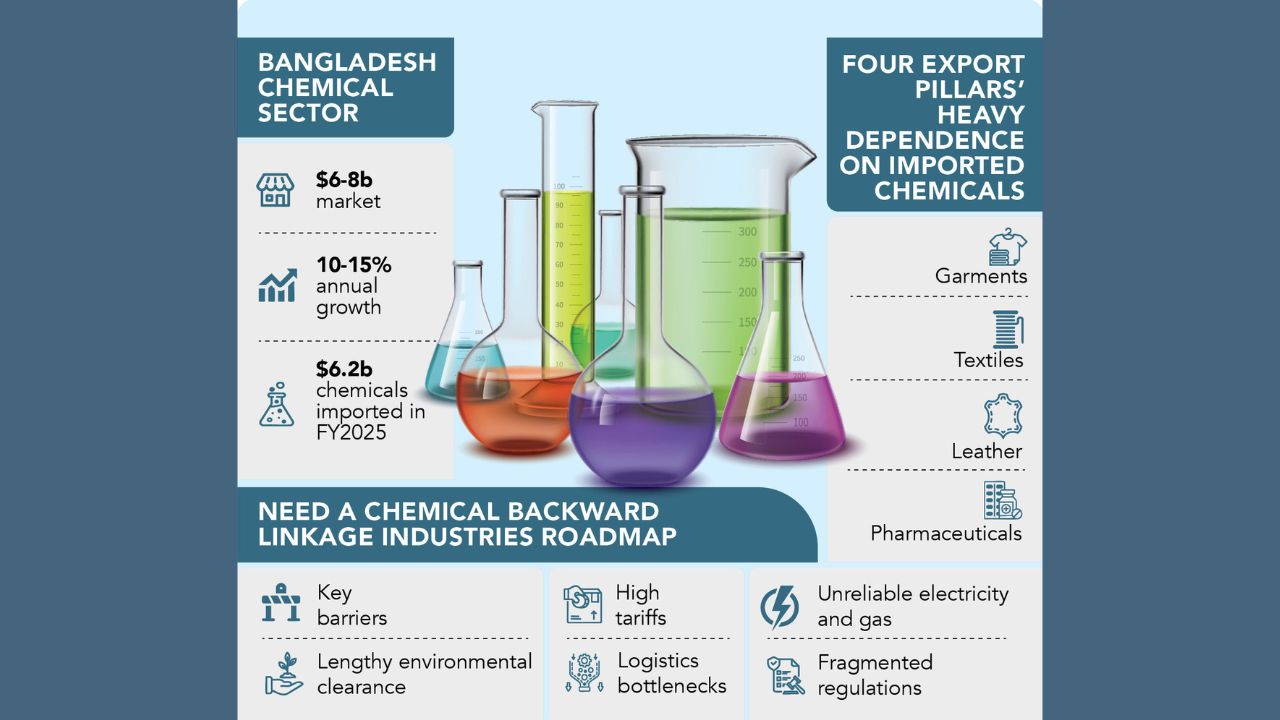

Bangladesh’s export ambitions will remain constrained unless it builds a competitive domestic chemical industry, business leaders warned on Saturday, saying heavy reliance on imported industrial chemicals is undermining the competitiveness of garments, textiles, pharmaceuticals and leather despite a domestic market worth $6-8 billion.
At a seminar organised by the Dhaka Chamber of Commerce & Industry (DCCI), industry leaders argued that Bangladesh’s next export advantage will depend not only on producing more finished goods but also on manufacturing the chemicals, dyes and industrial inputs those industries consume.
The concern is underscored by the numbers. Bangladesh’s chemical market is expanding by 10-15 per cent a year, yet the country imported about $6.2 billion worth of chemicals in FY2025, most of them used by export-oriented industries, according to keynote presenter Asif Rabbani, managing director of SR Chemical Industries.
DCCI President Taskeen Ahmed said the country’s dependence on imported chemicals reflects longstanding structural weaknesses rather than a lack of market demand.
He identified high tariffs, unreliable electricity and gas supplies, lengthy environmental clearance procedures, logistics bottlenecks and fragmented regulations as the main obstacles discouraging investment in domestic chemical manufacturing.

“Developing a comprehensive roadmap for the chemical backward linkage industry is no longer optional. It is a strategic necessity to safeguard Bangladesh’s export competitiveness,” he said.
The discussion comes as the government revises the National Industrial Policy, opening what participants described as a critical opportunity either to embed chemical-sector reforms in the new policy or introduce a dedicated strategy for the industry.
Md Salim Ullah, director general of the Bangladesh Institute of Management, said policymakers should use the ongoing review to remove structural barriers while strengthening public-private collaboration to develop the skilled workforce the industry requires.

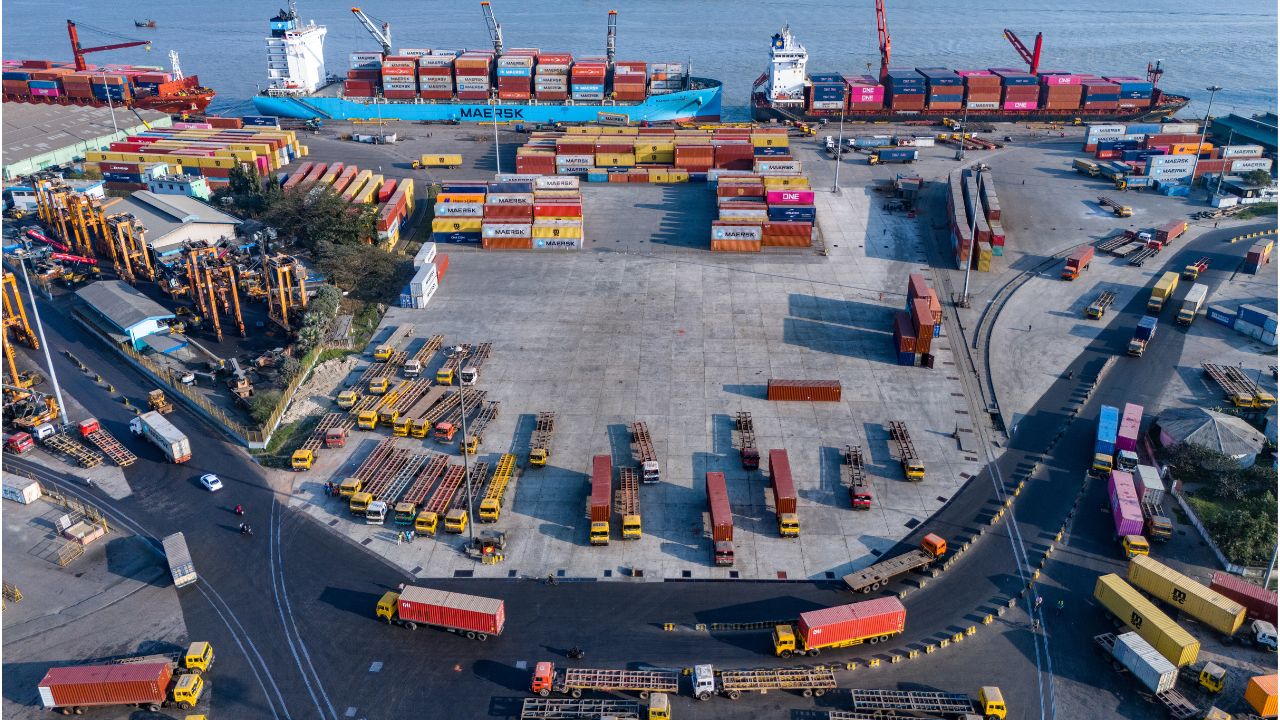

Industry representatives argued that stronger backward linkages would reduce import dependence, improve supply-chain resilience and increase domestic value addition at a time when Bangladesh is preparing for a more competitive post-LDC trade environment.
Abul Fatah Md Baligur Rahman, member (development) of the Bangladesh Council of Scientific and Industrial Research, said Bangladesh must commercialise locally developed technologies and strengthen collaboration between industry and research institutions to build competitive import-substituting industries.
He added that unlocking the Tk5,000 crore light engineering market would also require uninterrupted electricity and supportive policies.
Sector representatives highlighted how policy and infrastructure gaps are affecting individual industries.
Sheikh H M Mustafiz, a BGMEA director, called for uninterrupted energy supplies, internationally compliant chemical production and dedicated industrial zones to reduce dependence on imported inputs.
Md Moniruzzaman, a BKMEA director, said the garment sector’s successful backward linkage industries demonstrate how consistent policy support can stimulate investment, expand domestic manufacturing and create jobs, providing a model for the chemical sector.
The pharmaceutical industry said delays in developing the Active Pharmaceutical Ingredient (API) Industrial Park continue to slow domestic production of pharmaceutical raw materials, while leather manufacturers said they remain heavily dependent on imported chemicals and urged lower import-stage duties.
The Bangladesh Agro-Chemical Manufacturers Association also called for lower duties on imported raw materials, arguing that the current tariff structure weakens the sector’s competitiveness.
Responding to industry concerns, Suraiya Sultana, second secretary (Customs: Export & Bond) at the National Board of Revenue, said tariff rates are being gradually rationalised to encourage domestic production, while the bonded warehouse licensing process has been fully digitised to reduce compliance burdens for businesses.
Md Ziaul Haque, additional director general of the Department of Environment, said industrial expansion must be matched by responsible management of hazardous chemicals to protect public health and the environment.
The seminar’s central message was that Bangladesh’s next stage of industrialisation will depend as much on strengthening domestic supply chains as on expanding exports.
Without a competitive chemical industry, participants warned, manufacturers will remain vulnerable to import dependence, supply disruptions and higher production costs, limiting value addition and long-term export competitiveness.