Bangladesh has acceded to three major international maritime liability conventions aimed at protecting the marine environment, safeguarding coastal communities and promoting sustainable maritime trade.
The Ministry of Shipping has taken the step by formally joining the conventions at the International Maritime Organization (IMO) headquarters in London.
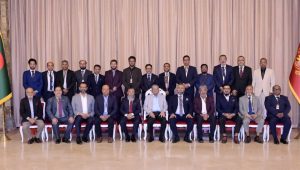
Shipping Minister Shaikh Rabiul Alam handed over the instruments of accession to IMO Secretary-General Arsenio Dominguez at a ceremony held on Monday, according to a press release.
Officials said the move will further align Bangladesh’s maritime legal and institutional framework with internationally recognised standards and best practices.

Bangladesh’s Acting High Commissioner to the United Kingdom Dr M Nazrul Islam and Department of Shipping Director General Commodore Shafiul Bari were also present.
A statement from the Shipping Ministry said the accession reflects the government’s commitment to safe shipping, environmental protection and responsible maritime governance.




The three conventions Bangladesh has joined are the 1992 Protocol to the International Convention on Civil Liability for Oil Pollution Damage, the International Convention on Civil Liability for Bunker Oil Pollution Damage (2001), and the Nairobi International Convention on the Removal of Wrecks (2007).
Officials noted that hundreds of vessels pass through Bangladesh’s territorial waters or call at its ports every day, carrying risks such as oil spills, bunker fuel leakage and shipwrecks that can threaten marine biodiversity and navigation safety.
The conventions establish clear liability frameworks for such incidents and make compulsory insurance coverage mandatory. This ensures compensation for damages through structured financial mechanisms, reducing dependence on lengthy legal proceedings.
The ratification is also expected to generate economic benefits. Bangladeshi-flagged vessels will no longer need to obtain certification from foreign maritime authorities, saving both time and foreign exchange.
It is also expected to enhance the credibility of Bangladeshi ships among international charterers, insurers and port authorities, while reducing delays and minimising additional inspections at foreign ports.
More than 100 countries are already parties to these conventions. With this accession, Bangladesh has brought its maritime governance framework in line with global standards.
Officials said that, amid rising maritime traffic, expanding port activity and coastal development, the decision would strengthen Bangladesh’s position as a responsible maritime nation while supporting compliance with international obligations and protecting national interests.