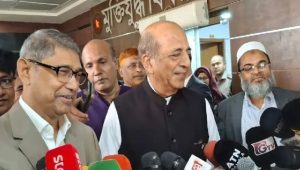
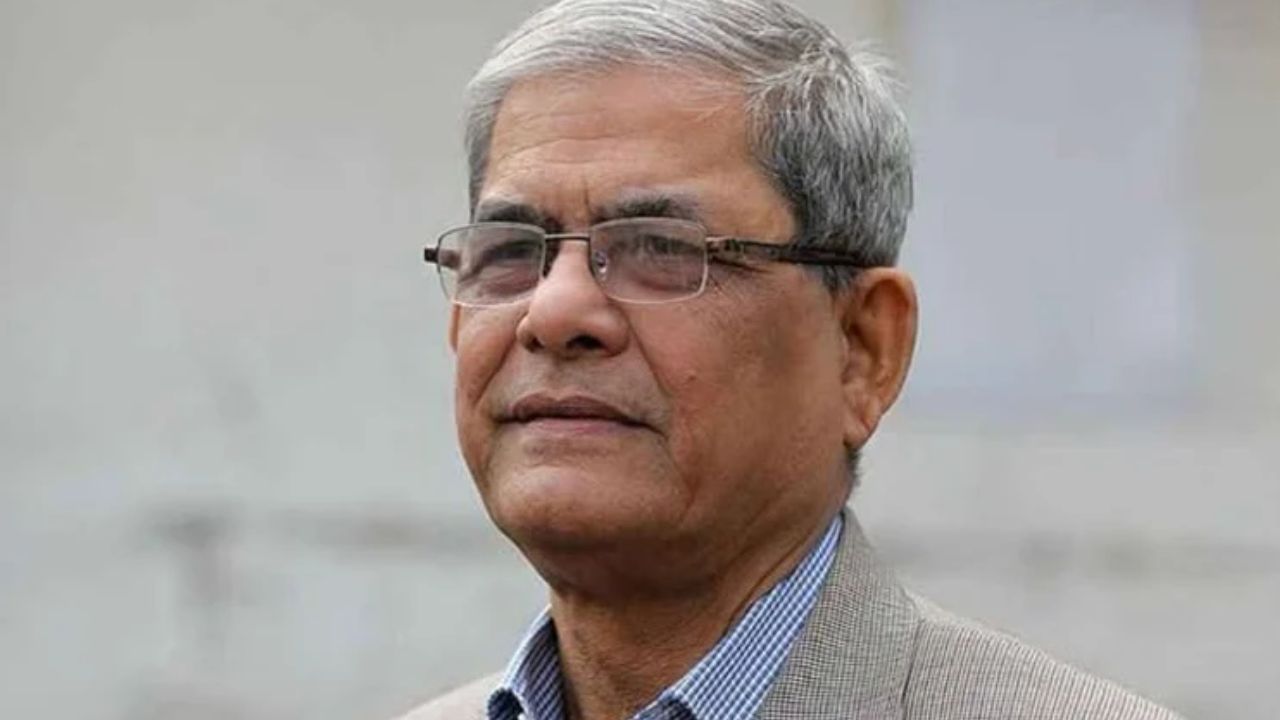
Bangladesh’s foreign policy is focused on diversifying diplomatic relations and maintaining strategic balance by deepening ties with traditional partners while creating new areas of cooperation with emerging economies, Foreign Minister Khalilur Rahman has said.
Responding to a written question from Netrakona-3 MP Rafiqul Islam Hilali on Wednesday, the foreign minister outlined the government’s future plans for strengthening and diversifying Bangladesh’s diplomatic relations in the context of changing regional and global circumstances.
“On one hand, we are deepening relations with traditional partners such as the United States, the European Union, the United Kingdom, Japan, South Korea, China, the Middle East, Canada, and Australia; on the other hand, we are creating new areas of cooperation with ASEAN countries, East and Central Asia, Africa, and emerging economies in Latin America,” the minister said.
He noted that the rapidly changing global situation, conflicts in the Middle East, restructuring of international trade, energy and food security, technological competition, climate change, and migration are deeply influencing international relations.

The foreign minister said Bangladesh’s foreign policy is being guided by the “Bangladesh First” philosophy, giving the highest priority to national interest.
“Past governments allowed individual and group interests to influence foreign policy,” he said. “The current government’s position is clear — mutual respect, sovereign equality, respect for territorial integrity, non-interference in internal affairs of other countries, and cooperation based on mutual interests form the foundation of our diplomatic activities.”



Regarding India, the minister said constructive diplomatic initiatives are continuing to resolve outstanding issues including water sharing, border management, energy cooperation, and trade barriers on the basis of fairness and equality.
On Myanmar, he said Bangladesh is continuing diplomatic efforts, particularly for a sustainable solution to the Rohingya crisis.
On regional cooperation, the minister said Bangladesh is playing a positive role in revitalising SAARC and BIMSTEC.
The minister said economic diplomacy lies at the heart of current foreign policy, with initiatives taken to expand trade, investment, technology transfer, energy security, and industrial cooperation with key partners.
New areas such as artificial intelligence, digital economy, semiconductors, renewable energy, innovation, research and development, supply chain connectivity, and blue economy are also being prioritised.
The foreign minister said alongside traditional Middle Eastern and European markets, initiatives have been taken to send skilled manpower to emerging markets in Japan, South Korea, South America, and Eastern Europe.
“Through strong and diverse international partnerships, active economic diplomacy, and effective multilateral engagement, Bangladesh will further strengthen its status and influence on the international stage,” he added.