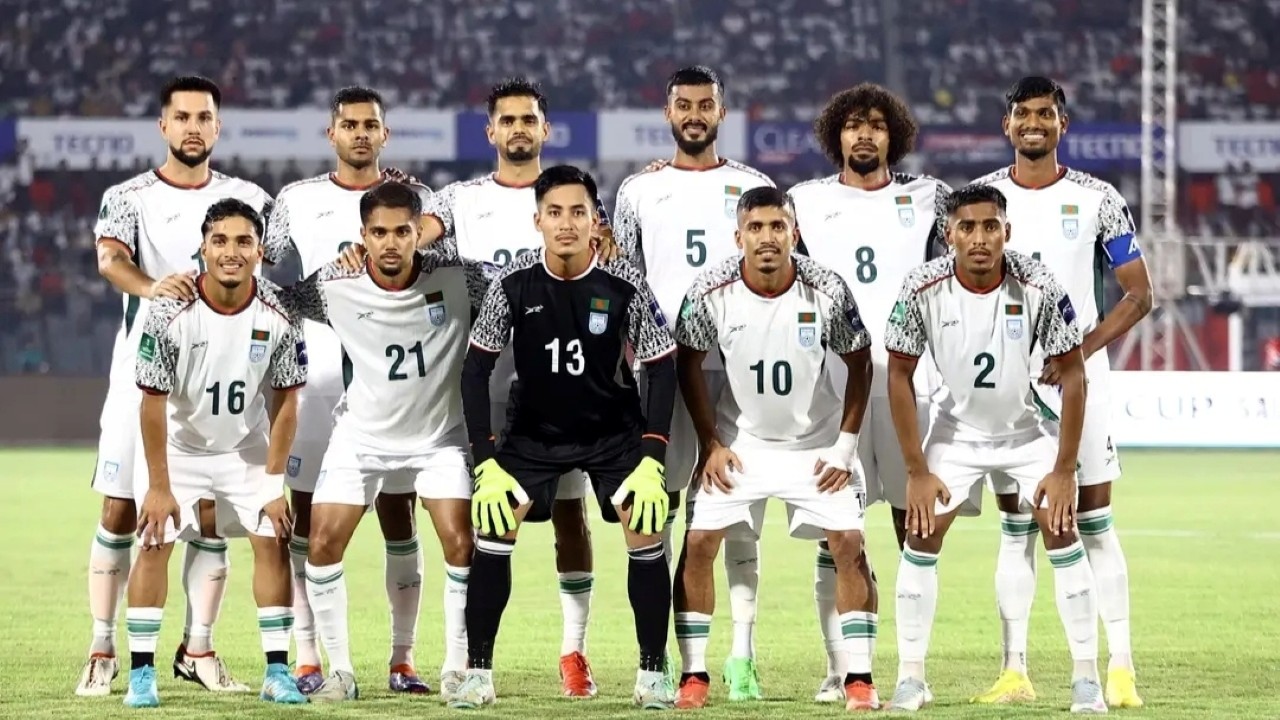



Bangladesh’s entry into the inaugural FIFA ASEAN Cup offers a rare chance to test the national team against stronger oppositions, but the timing has created an awkward preparation problem. The delayed Bangladesh Football League (BFL) means the local players heading to Indonesia could enter the tournament without competitive club football, leaving head coach Thomas Dooley to build match sharpness through a long national camp.
Bangladesh will face hosts Indonesia, Malaysia and Singapore in Group-A in Jakarta from September 24 to October 4. The tournament gives the team three guaranteed competitive fixtures against established regional sides and comes ahead of the November SAFF Championship, which Bangladesh will host.
The opportunity is clear. The preparation is less so.
The BFL commences on September 18, almost a month later than its original August 25 start. The Federation Cup has also moved from August 28 to September 22. The changes followed continued FIFA registration bans affecting Bashundhara Kings, Abahani Limited and Young Men’s Fakirerpool Club.
The domestic delays leave a particularly narrow window before the ASEAN Cup. BFF has tentatively scheduled the national camp to begin on August 27, while the FIFA international window opens on September 21.
Bangladesh midfielder Quazem Shah believes that gap can be managed. He told TIMES of Bangladesh that professional players should be able to maintain their fitness individually, while the early start to the national camp gives the squad time to build towards the tournament.

“The pre-season did not happen, which is normally a part of the preparation. But the camp is starting early, on August 27. We have a month, so hopefully we can prepare properly and do well,” he said.
His confidence stems from the nature of the squad and the time available. Quazem does not dismiss the importance of playing club matches, but he believes they will not pose a major setback to the preparations.
Former Bangladesh national team captain captain Kaiser Hamid takes a more cautious view. He believes domestic matches remain important because they provide the first test of a player’s competitive condition. Without them, he wants the national team to create its own match environment during camp.




“Domestic football would have helped them prepare better because that is where you assess and select players. In this case, the national team will have to play a lot of practice matches,” Kaiser told TIMES.
Kaiser’s suggestion goes beyond a few internal games. He believes Bangladesh can use clubs and service teams to recreate the intensity players would normally get from league football.
“There are good teams apart from Mohammedan and Abahani, such as the Army, Navy and Air Force teams. If we play different teams, the players can build their combination and understanding,” he added.
Former Bangladesh midfielder and current Mohammedan Sporting Club Director, Syed Rumman Bin Wali Sabbir, said most clubs have yet to begin proper camps.
He told TIMES of Bangladesh that Fortis and Police are among the few clubs currently active, while many others have not called their players into training. He also said BFF had informed clubs that national-team players would not be available and that they may have to continue their competitions without them.
The ASEAN Cup represents a new level of competition for Bangladesh, with the team drawn alongside Indonesia, Malaysia and Singapore in Group A. Sabbir sees the tournament as more than another fixture list. He believes regular exposure to stronger regional opposition can help Bangladesh raise its standards and move towards a more ambitious position in Asian football.
“I think this will be challenging. I have said for a long time that Bangladesh should target being among the top 10 teams in Asia. If we want to reach that level, we must play in competitions like the ASEAN Cup.”
For Sabbir, the value lies in testing Bangladesh against teams with greater experience at this level.
“Playing against teams such as Malaysia, Indonesia, Myanmar, Singapore and Laos will raise the standard of our football. The ASEAN Cup will give our players a new experience, and if we can perform well, our ranking can improve.”
Dooley, meanwhile, has focused on getting his preparation structure in place. At his latest press conference, he confirmed the camp will start on August 27 and indicated that members of his support staff will arrive around the beginning of the programme, with the coaching team also planning pre-season and fitness work.
The coach has little room for wasted days.
That is why the ASEAN Cup represents both an opportunity and a test of Bangladesh’s preparation system. Indonesia, Malaysia and Singapore will provide a much stronger competitive examination than routine training can offer. Bangladesh will need to arrive physically ready, tactically organised and mentally prepared for the intensity.
The tournament itself should help raise the team’s level. But before Bangladesh can benefit from that experience, Dooley and his players must first solve a basic football problem: how to reproduce the sharpness that normally comes from club competition.