The haor region of Kishoreganj has always lived with water. But in recent years, that water has become more unpredictable, more aggressive, and far harder to survive.
Every monsoon, vast stretches of the region disappear beneath swollen rivers and endless floodwater. Villages become islands, roads vanish overnight, and thousands of families find themselves trapped in a recurring cycle of flooding, waterlogging and uncertainty.
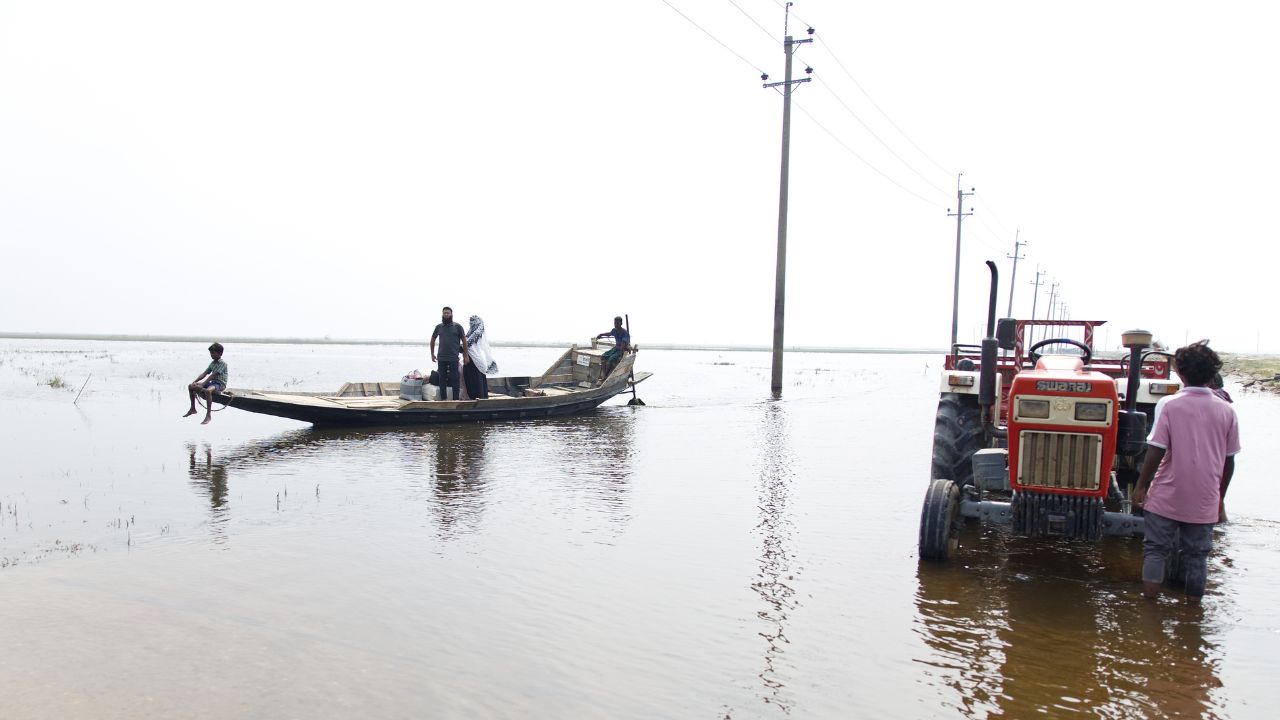
For the people of Itna, Mithamain, Nikli, and Austagram, water is both livelihood and danger. During the dry season, the fertile haor basin produces huge quantities of Boro rice, helping sustain Bangladesh’s food supply. But once heavy rain begins upstream and rivers start to swell, the same landscape transforms into a vast inland sea.


This year, early rainfall and surging upstream water once again flooded low-lying croplands before many farmers could finish harvesting. Large areas remained submerged for days, damaging rice fields, disrupting transport, and bringing daily life to a halt. In many villages, boats replaced roads as muddy floodwater swallowed pathways and marketplaces.
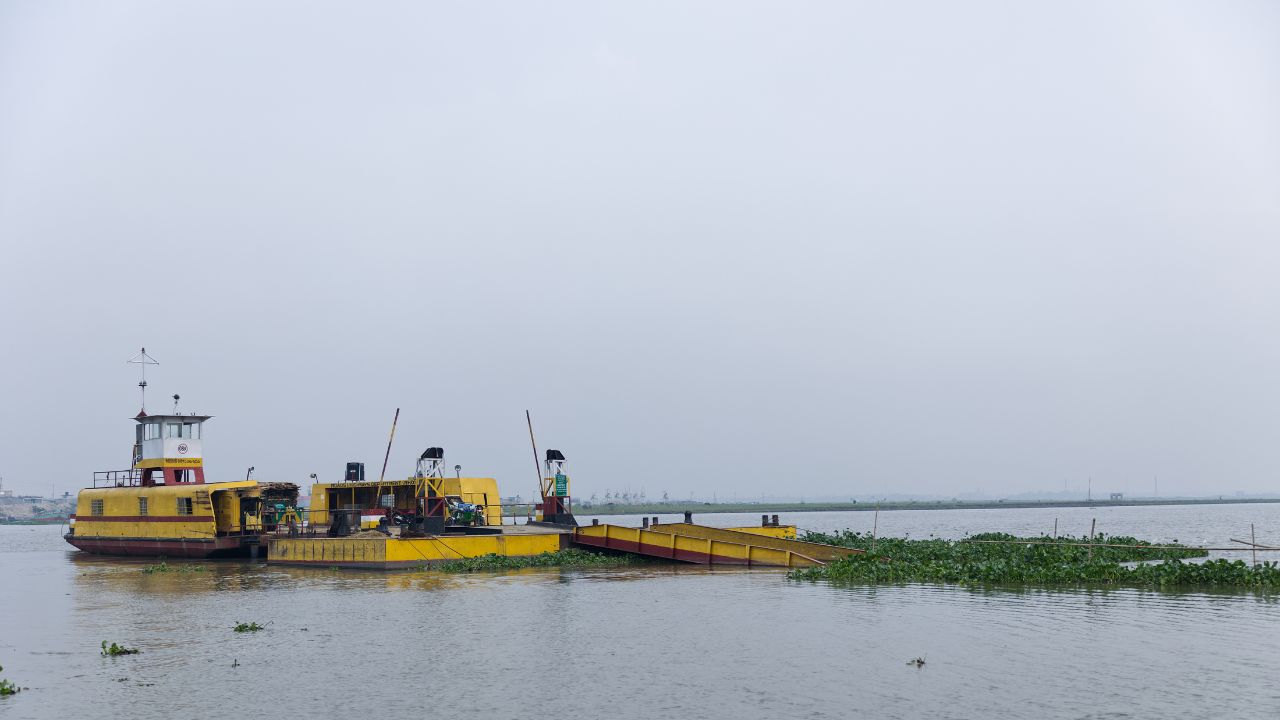
Rising water levels in the Ghorautra River submerged roads near the Nonagon Ferry Terminal, disrupting movement across the area. The Itna-Elongjuri-Balikhola road also went underwater after the surrounding haor waters overflowed following continuous rainfall, leaving auto-rickshaws and local vehicles unable to operate.




Residents say the floods now arrive earlier and linger longer than they once did. Many blame climate change, fragile embankments, and the gradual disappearance of natural drainage systems. Even moderate rainfall can trigger panic, as a sudden overnight surge is often enough to wipe out an entire season’s harvest.
The crisis is reshaping livelihoods across the haor. Farmers sink deeper into debt after repeated crop losses. Fishermen struggle as changing water patterns affect fish populations and navigation routes. During prolonged flooding, children miss school for weeks, while access to healthcare and clean drinking water becomes increasingly difficult in submerged villages.
Environmental experts warn that the Haor region is becoming more vulnerable every year. River erosion, erratic rainfall, and rising water levels are slowly altering the landscape of one of Bangladesh’s most climate-sensitive regions.
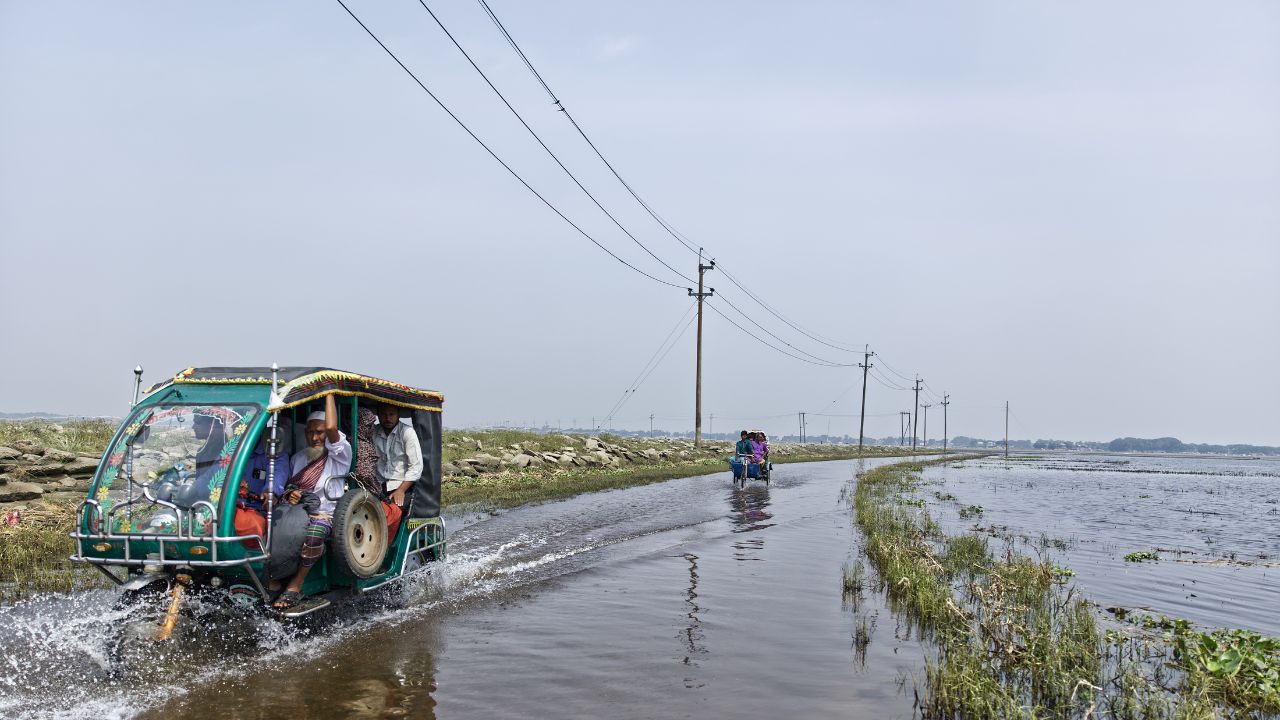
Yet life across the haor does not stop. Boats still glide through flooded villages carrying people, food, and harvested crops. Beneath dark monsoon skies, families continue to adapt, rebuild, and endure. Survival in this region has always depended on learning to live with water, even as the water keeps rising.