
“Proclaim, Hero, proclaim I raise my head high! Before me bows down the Himalayan peaks!”
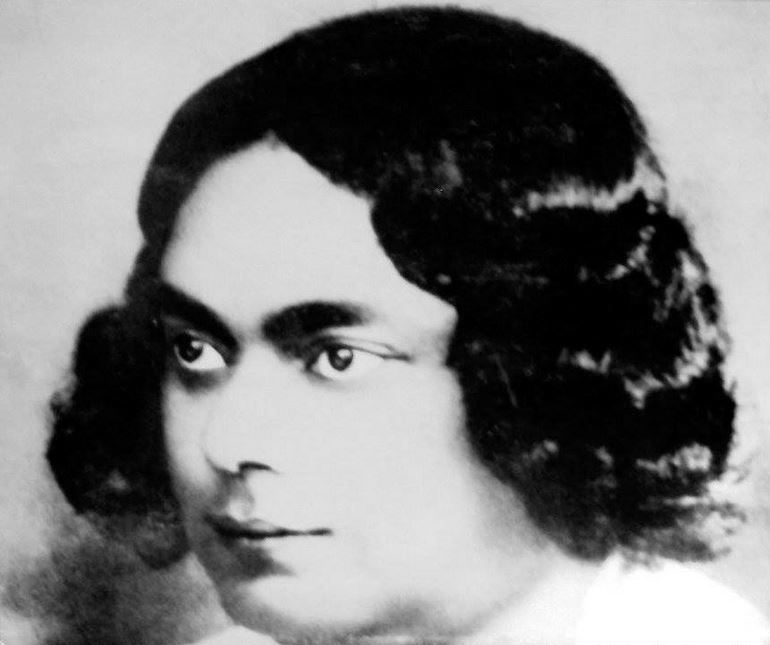
This fiery utterance of Kazi Nazrul Islam’s rebellious poem has lit an inextinguishable fire in the heart of every Bengali. As soon as the words are uttered, an indomitable rebellious force awakens in the body and mind. This poem, first published in the Bijli magazine in 1922, is not only a literary masterpiece, but also an immortal call to inspire the youth of Bengal to fight for freedom. That call for the awakening of self-respect, indomitable courage and strength is equally inspiring even today. The lines of this poem contain the greatness of the human heart, the true meaning of life and conveys self-respect, dignity, courage, and moral pride. When Nazrul made this call, he did not just talk about personal progress, he talked about a collective awakening. He wanted people to raise their heads high, not only in physical progress, but also in morality, courage, confidence, and humanity. He taught us that we should walk with the pride of humanity, the pride of truth and the pride of justice. This doctrine indicates that education is the backbone of a nation which has great power in developing human potential. The end goal of education is the character and when people acquire a sense of responsibility, tolerance, respect, and humility through education, then they can truly stand with their heads high.
The centenary of our village school was celebrated on the 25th December 2025. This is not just the age of an institution, but an immortal document of a century of memories, sacrifice, struggle and enlightened inspiration. Maybe this school did not have the modern facilities of the city, but each of its teachers was a beacon of light, who secretly illuminated our lives. In their eyes, education meant not only completing the curriculum but awakening the person within. They taught that the real success in life is not just climbing the professional ladder, but lies in being strong in morality, humanity and responsibility. Without honesty and moral strength, no person can achieve perfection. It was in this school that I first read Leo Tolstoy’s immortal work Three Questions. The day I heard that story in the voice of English teacher is still vivid in my mind. The parabola suggests that the most important time in a person’s life is the present moment, the most important person is the one we are with right now, and the most important thing is the work we are doing at that moment.
At that time, it may have seemed like just a story, but today I realised that those three answers are actually a great mantra for leading life. I never thought that the seed of that simple lesson would be so deeply rooted in my heart that one day it would become a guide for my every decision and every action.

This school is a living witness to the laughter and tears, dreams and aspirations and struggles of our childhood. In that field, we ran like free birds, filling the sky and air with the melody of our laughter. Every speck of dust still seems to hold our footprints, the excitement of our hearts. The water of that pond, where we floated in joy, and the shade of the kadam tree, where we sat and weaved countless stories, were all an integral part of our education. Nature has taught us the lessons of beauty, the soil has taught us humility, and the village has taught us cooperation and brotherhood.
The first two years of my primary education were truly spent under the tree. When I put my notebook on the brick, sat on the green grass, and drew lines with slate and chalk, my mind was filled with a strange peace. Back then, our shaded classroom was on the bosom of nature, the chirping of birds, the coolness of the wind, and the scent of lotus flowers mixed with the first letters of education.




How can I forget those invaluable people who took us by the hand and led us on the path of education, taught us to walk on our first journey of life? The headmaster taught me to write Bengali alphabet for the first time. I would draw letters on the slate with the chalk trembling, and he would say with a smile of compassion, “You are doing well, keep trying.” He never showed anger. There was an invisible magic in their compassion, affection and discipline. We may not have understood it when we were young, but today we realise that they built the foundation of our character. Their voices, their eyes, the touch of their hands are still vivid in my memory.
Those days of that slate under the tree, the loving presence of those teachers still remind me repeatedly that education is not just about the letters in the book, education means the strength to stand on the right path in the first step of life. A teacher does not just impart knowledge; he builds the future of the nation.
Plato said that the purpose of education is to turn the soul towards light. That is, education takes a person from the darkness of ignorance to the light of knowledge, making him a true human being. Our schoolteachers may not have been great philosophers, but their every teaching, every sacrifice, every effort lit that light in our hearts. They showed us that the purpose of education is not just a success, but to be an honest person, a brave person, a moral person.
It has been a journey of enlightenment from the teachers who share their knowledge, from the students who carry the knowledge, and the villagers who, in turn, share that knowledge with the society. If we are able to transfer this education to future generations, society will become more humane and more prosperous. Because true education does not simply equip one with information and skills, rather it imparts a sense of rights and responsibilities, the moral and the virtue to care for the greatness of humanity. It is ideal teachers, honest education and moral upliftment that truly makes a nation great.
When we learn to respect, learn to admit mistakes, learn to embrace others with the sweetness of humility, then we become truly educated. Our ideal teacher is that beacon of light, who, in the midst of darkness, shows us the way. Even with rudimentary resources, they helped us see the light, taught us integrity, taught us not to fear suffering, and warned us about the responsibility we have to shoulder towards others. It is my conviction that only true education, idealistic teachers, and virtue can transform people into a moral person. When we carry that greatness, we become immortal beacons of society, guiding people through the generations. An education that teaches people to hold their heads high and be proud is the true pillar of civilisation.
The writer is an educator, author, and researcher