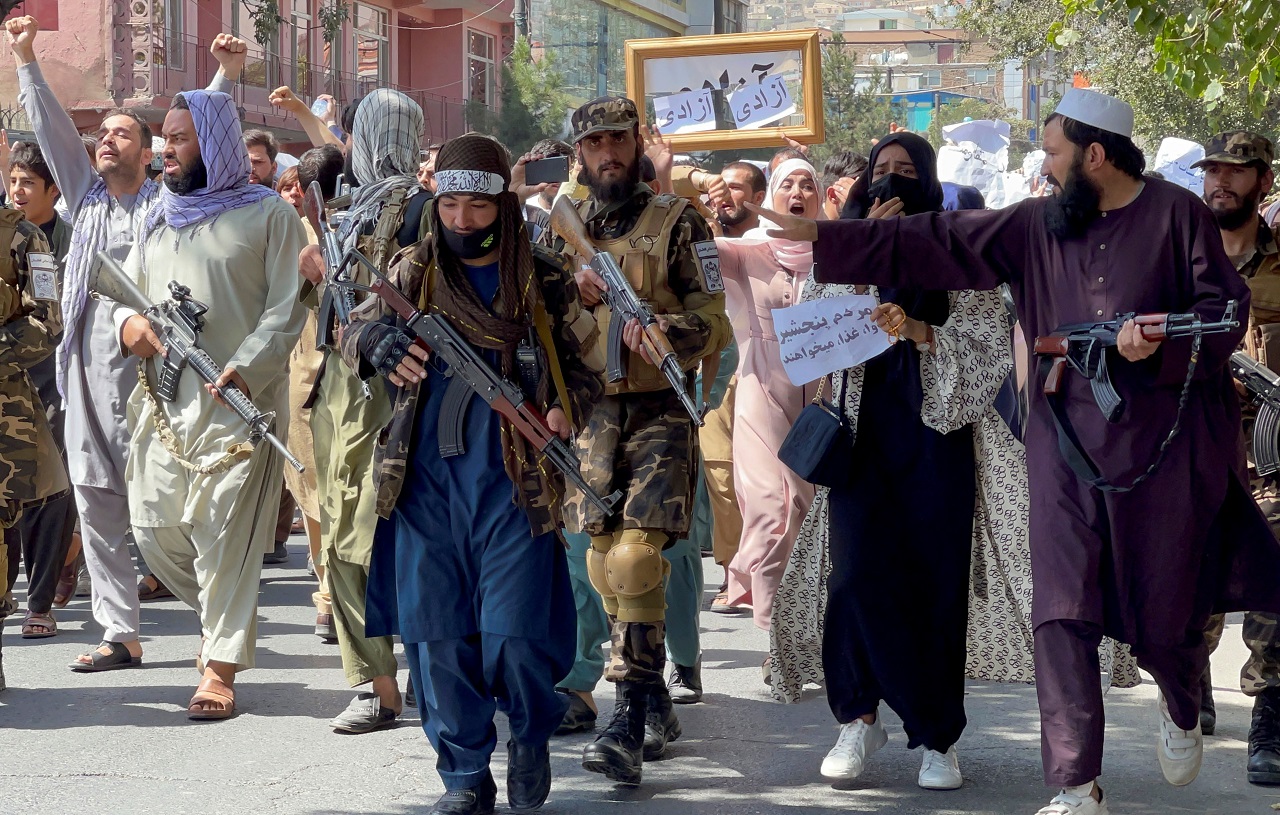

Four years after the Taliban’s return to power, Afghanistan’s once lively and diverse media landscape has turned into a wasteland of fear. What was once a country with hundreds of newsrooms, talk shows and independent radio voices has now fallen silent. Its journalists are either muzzled, imprisoned or in exile.
According to Human Rights Watch (HRW), the Taliban have “gutted Afghanistan’s media through surveillance and censorship.” Reporters now work with a constant knot in their stomachs. Every phone call feels risky; every story could be their last.
The Taliban’s intelligence wing monitors everything: from what goes on air to what circulates on WhatsApp. Those who dare to publish something critical, even a passing comment on social media, risk arrest or disappearance.

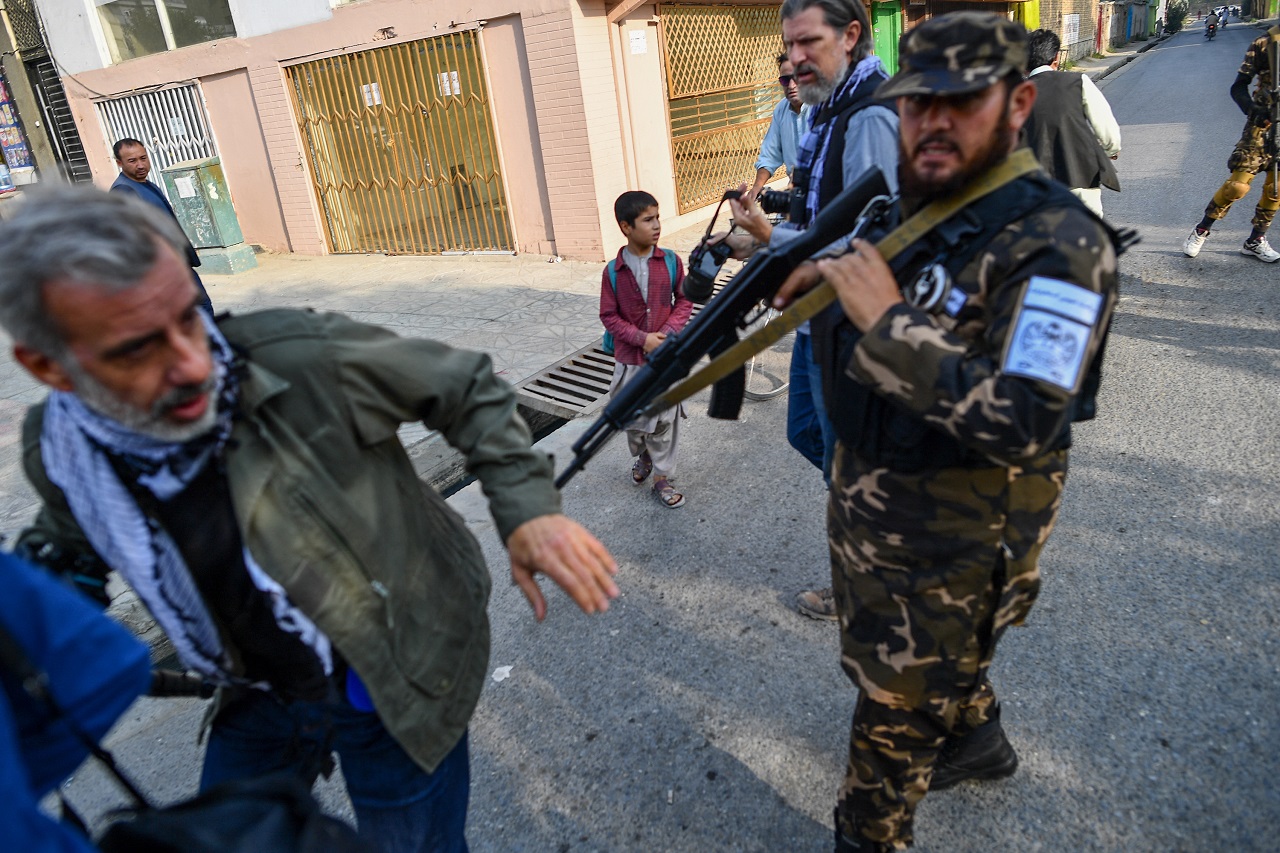
In July this year, journalist Shikib Ahmad Nazari was detained for working with a foreign outlet. His only “crime” was reporting facts. Dozens of others have met the same fate, dragged away from homes and offices, held without charge and released only after pledging silence. Fear has become the new editorial policy.
Before 2021, Afghanistan’s media was a rare success story in a war-torn region. Over 500 outlets employed thousands of reporters, half of them women. Today, nearly half have shut down. Women journalists, once symbols of hope and courage, have been forced out of studios and newsrooms. Some have fled abroad; others have simply disappeared from public life. For many, the dream of journalism has turned into a nightmare of survival.



Outside Kabul, the situation is even worse. Local reporters face the full brunt of Taliban brutality. Many have been beaten, tortured or killed for covering protests or community grievances. Even those working for state-aligned media are not safe. One provincial journalist was killed while covering cross-border clashes. It’s a grim reminder that loyalty offers no protection in a country where truth itself is a threat.
Those who managed to flee Afghanistan live under the shadow of constant anxiety. They receive anonymous messages warning them to stop speaking. Their families back home are harassed. The Taliban’s reach stretches beyond borders, silencing voices even in exile.
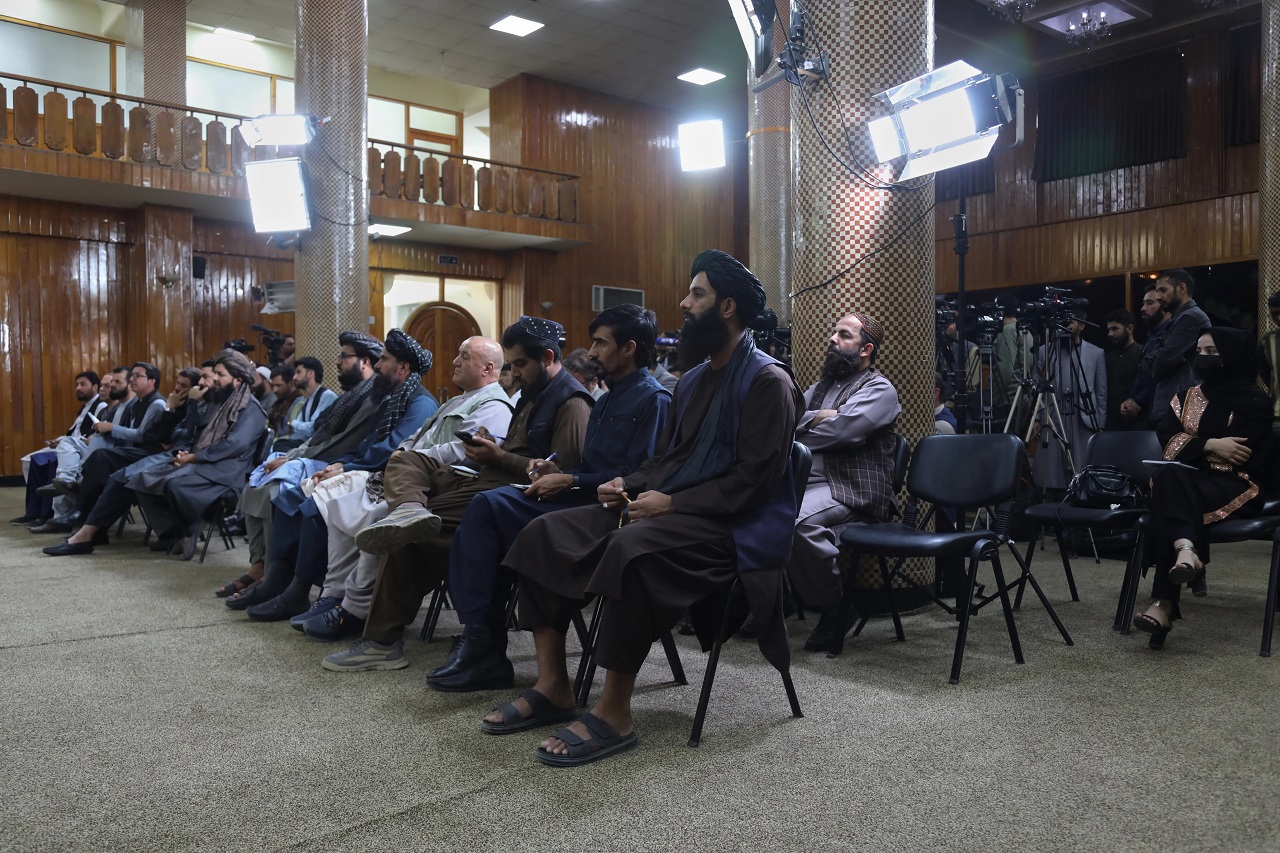
The death of Afghan journalism is not only Afghanistan’s tragedy but also the world’s loss. Each silenced reporter represents a community robbed of its right to know. And as authoritarian tendencies rise across the globe, Afghanistan stands as a dark mirror of what happens when fear replaces inquiry.
For Bangladesh and the wider region, the lesson is stark. When a government starts deciding what can be said and what cannot, when the truth becomes a threat instead of a right, a nation’s soul begins to wither.
Afghanistan’s journalists once believed that words could rebuild a nation. Today, those words are whispered, hidden or erased. Yet, even in silence, their courage echoes, reminding the world that the fight for a free press is, at its core, the fight for freedom itself.