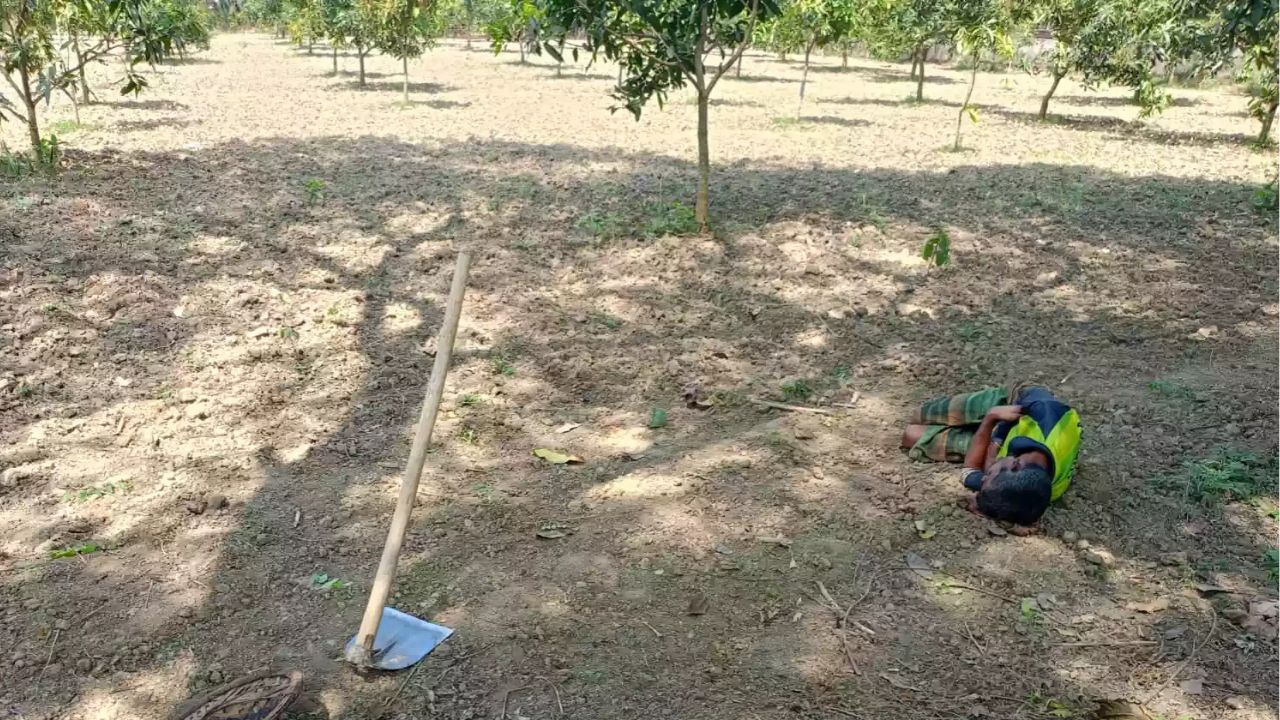

The western district of Chuadanga has been reeling from the escalating impacts of climate change, with farmers suffering losses worth “hundreds of crores of taka” over the past five years.
Prolonged droughts, devastating storms, and extreme cold spells have battered agriculture, livestock, and fisheries, leaving thousands of families struggling to survive.
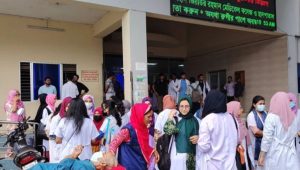
“Extreme heat is not just a seasonal inconvenience. Its impact is far-reaching. As we see in Bangladesh, the rising temperature is affecting our health and productivity and the country’s prosperity,” said Jean Pesme, division director of the World Bank for Bangladesh and Bhutan.
Between April and June each year, temperatures now frequently soar between 36°C and 40°C, scorching farmlands and reducing yields.
Winters, on the other hand, have become unusually harsh, with temperatures plunging to record lows, compounding the stress on crops and livestock.
Worsening climate disasters
Chuadanga’s agricultural sector has been particularly hard-hit by repeated bouts of drought, storms, and irregular rainfall. Major crops such as Boro paddy, wheat, maize, winter vegetables, tobacco, onions, bananas, papaya, betel leaves, and fruit orchards have suffered extensive damage, with many farmers unable to recover before the next calamity strikes.

Field surveys conducted by non-governmental organisations, including Wave Foundation and Riso, indicate the scale of devastation may be far greater than official figures suggest. Their studies estimate climate change is causing annual agricultural losses amounting to between Tk 200 crore and Tk 300 crore in the district.
The Department of Agricultural Extension (DAE) has reported significant losses over the last five years, with 2022 emerging as the most catastrophic year.
DAE Deputy Director Masudur Rahman Sarkar said losses in agriculture that year alone exceeded Tk 4.22 crore.




“In 2023 and 2024, losses were nearly half a crore taka. We continue to support affected farmers through incentive and rehabilitation programmes,” he said.
Losses and support
According to official data, Chuadanga’s year-wise agricultural losses were:
- 2020: Tk 1.16 crore
- 2021: Tk 2.36 crore
- 2022: Tk 4.22 crore
- 2023: Tk 42.70 lakh
- 2024: Tk 23.50 lakh
During the same period, the government provided incentives to affected farmers as follows:
- 2020: Tk 2.55 crore
- 2021: Tk 7.01 crore
- 2022: Tk 5.30 crore
- 2023: Tk 6.42 crore
- 2024: Tk 9.76 crore
Under these programmes, farmers receive seeds and fertilisers for Boro, Aush, and Aman paddy, wheat, maize, beans, lentils, mustard, vegetables, and onions.
Masudur Rahman said this year the department is implementing over ten agricultural support projects, including those for Aush and Aman paddy, beans, cotton, and summer onions. “We are particularly encouraging farmers to cultivate drought-tolerant crop varieties,” he said.
Voices from the fields
Despite these efforts, many farmers remain frustrated. They complain of delays in receiving aid, exclusion from beneficiary lists, and inadequate support.
A farmer from Sarishadanga village in Sadar upazila said, “A storm destroyed my banana orchard. Even though the local chairman prepared a list at the time, I still haven’t received any aid. Politics often influences these lists.
Local fish farmer Hasan voiced similar concerns. “When water sources dry up, fish feed costs increase. While agriculture receives some incentives, fisheries largely get nothing,” he said.
Alarming climatic shifts
According to data from the Chuadanga Meteorological Office and Agriculture Department, both temperature and rainfall patterns have shifted dramatically recently. Average maximum temperatures rose from 31.4°C in 2020 to 32.6°C in 2023, while annual rainfall dropped from 1,729 mm to just 1,087 mm- the lowest in five years.
In 2024, temperatures peaked at an unprecedented 43.8°C, while winter lows fell below 6°C, causing extensive damage to crops and fisheries.
Meteorological Office official Tahmina Nasrin observed, “Rainfall has decreased and drought intensity has increased over the last few years. The combination of rising heat and declining water availability is creating severe challenges for local farmers.”
Government response
Chuadanga Deputy Commissioner Mohammad Zahirul Islam said the government remains committed to supporting residents affected by climate change.
“Chuadanga is not immune to the effects of climate change. During droughts and cold spells, we provide winter clothing, dry food, and agricultural incentives. We have also recommended several projects to central authorities for promoting climate-resilient crops and sustainable water management,” he said.
As climate extremes intensify, Zahirul Islam said, the resilience of Chuadanga’s farmers will be put to an ever-tougher test. Without stronger adaptation measures, experts warn, the district’s agriculture, fisheries, livestock, and public health may face long-term and possibly irreversible threats.