
Shahnoor Wahid
“It was the best of times, it was the worst of times”. This famous opening line from the novel A Tale of Two Cities by Charles Dickens came to my mind as I watched the wife of the former prime minister of Nepal running here and there to save herself from the murderous revolutionaries. She could not save herself. The look of horror in her eyes and her frantic attempts to dodge the enemy reminded me of the fate of a European queen over 300 years ago. From history we learn this is exactly how Queen Mary Antionette of France ran from one corner of the palace to another in 1793 when Bastille fell and their palace was overrun by the revolutionaries. They have been looking for King Louis XVI and his wife Marie Antoinette. Marie Antionette tried to hide in the servant’s room but the crowd found her there. Both of them were executed by guillotine on October 16, 1793, for high treason against the French Republic after being convicted of conspiring with foreign powers and acting against the security of the state.
Marie Antoinette was the last queen of France before the French Revolution. Born Archduchess Maria Antonia of Austria, she was the penultimate child and youngest daughter of Empress Maria Theresa and Emperor Francis.
What we saw in Nepal was a kind of enactment of the drama and melodrama that happened in Paris as depicted by Charles Dickens in his book A Tale of Two Cities. Pushed by poverty, lack of food and cruelty of the rulers, the common people of France – day labourers, factory workers and peasants rose in a body to break down the doors of Bastille fort – a symbol of power and tyranny. The fall of Bastille became symbolic with the fall of many autocratic governments across the world since then.
The common people of Nepal also got fed up with the autocratic rule of the government and the lavish lifestyle of the politicians. Nepal’s ministers and politicians supporting the government have been accused of living a kingly life in the Himalayan country, with money not always earned legally. The Gen-Z accused them of indulging in corruption and nepotism in the midst of poverty dipping beyond the tolerable level.
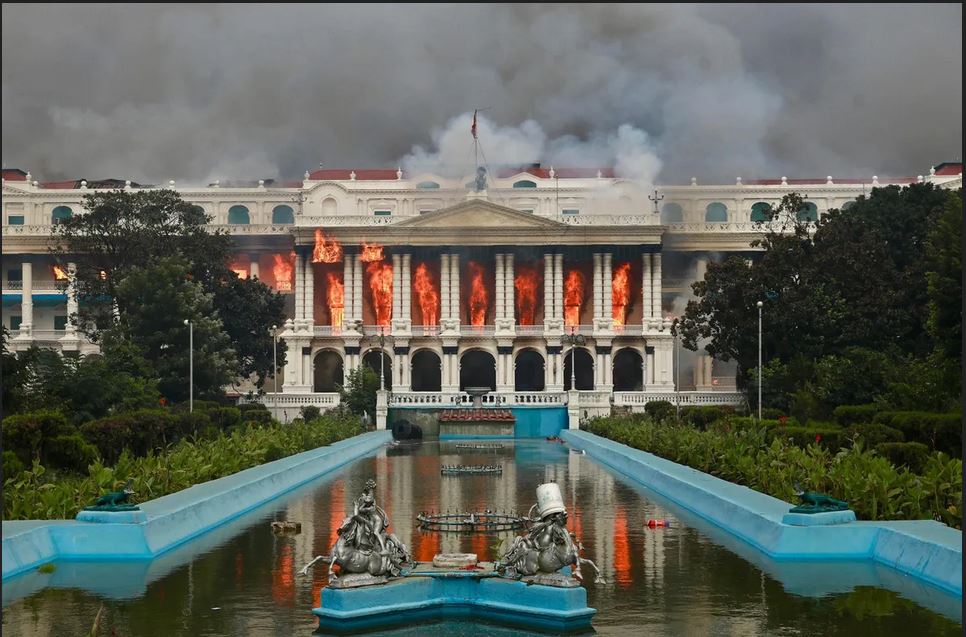
It is widely believed that the youths of Nepal have been inspired by the revolution in Bangladesh and decided to replicate it to oust the corrupt politicians from power. The revolution quickly turned violent and claimed lives. Many of the powerful ministers were beaten up and their children manhandled on streets. In one such skirmish the wife of former Nepal PM, Rajyalaxmi Chitrakar, was caught by the protesters. Chitrakar received critical burn injuries when agitators torched her residence. She was rushed to Kirtipur Burn Hospital in a critical condition. According to family sources, she succumbed to her burn injuries. As situation in Nepal went from bad to worse PM KP Sharma Oli was forced to resign. Reportedly, demonstrators torched several govt building including the Nepal Parliament.