
Bhutan, nestled between the towering ranges of India and China, is a place where time seems to move at its own gentle pace. The mountains appear close enough to touch. Known as one of the happiest countries in the world, Bhutan measures success not through Gross National Happiness (GNH). For visitors, it is a reminder that wealth is not counted in money but in moments, relationships and experiences.
Arriving in Bhutan feels like stepping into a live storybook. Thimphu, the capital, blends modern touches with tradition. Colourful prayer flags ripple across the valleys. This is a country meant to be explored slowly, where every journey reveals new layers of beauty and culture.
The Paro Valley, with its lush landscapes and cultural landmarks, is a must-visit one. Towering above it all is the Tiger’s Nest Monastery, a dramatic structure clinging to a cliff. Reaching it is a journey through clouds, pine forests and breathtaking vistas. Waterfalls tumble into clear streams, prayer wheels spin with soft creaks and yaks wander along mountain paths.

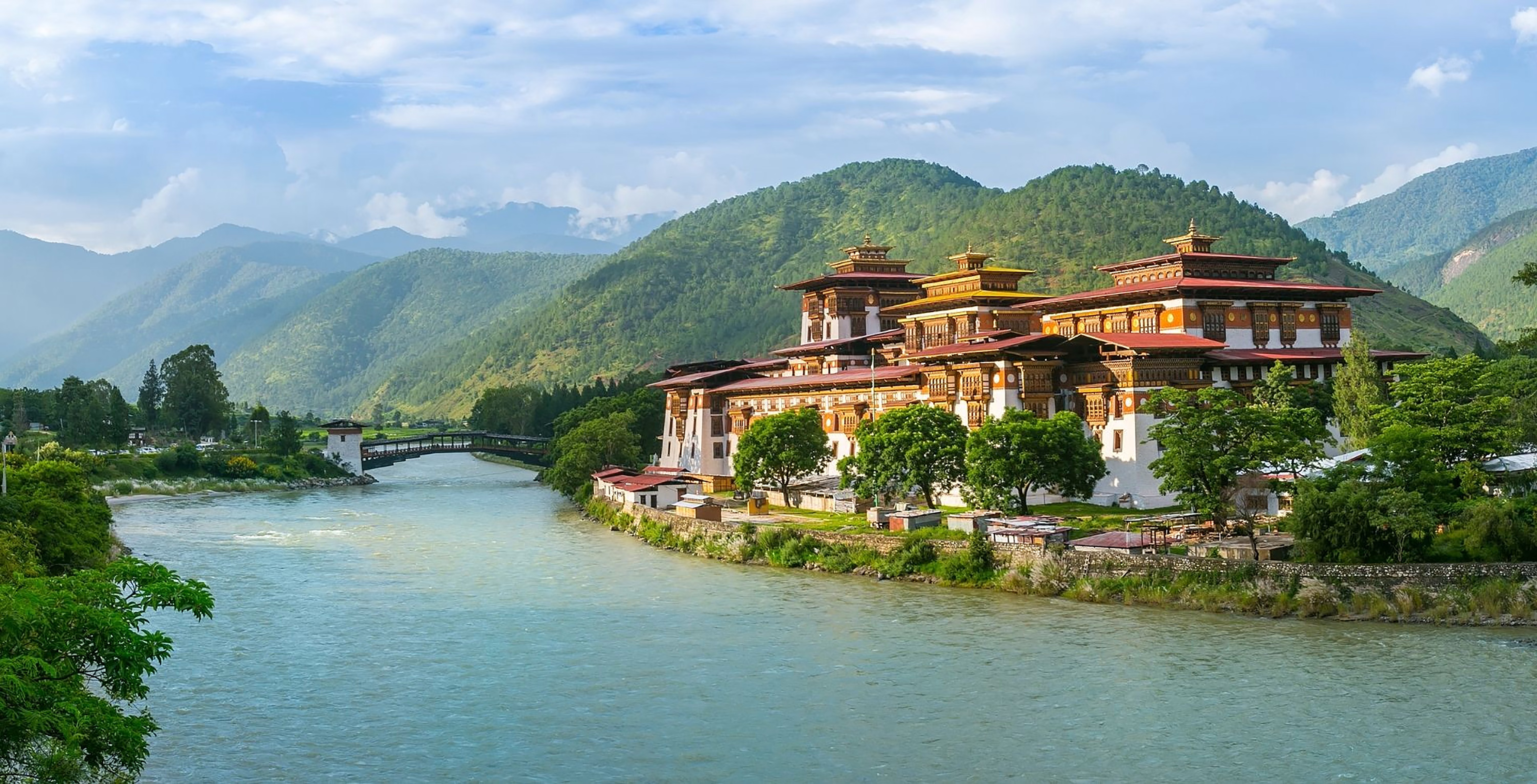
Punakha offers a different kind of charm. Its dzong, a fortress that also serves as a monastery, stands proudly at the confluence of two rivers. Visiting Punakha feels like stepping into a painting. During festivals, locals dress in vibrant robes, perform masked dances, sing and celebrate in a way that seems timeless.
Daily life in Bhutan is shaped by a deep connection to the land and to one another. Happiness here is cultivated through relationships, gratitude and care for the environment. With over seventy per cent of the country covered in forests, Bhutan is one of the few nations that is carbon-neutral and even carbon-negative. Protecting nature is woven into the very fabric of society; it is not a duty, but a way of life.

Bhutanese cuisine is also a vivid expression of the country’s culture. Ema Datshi, a spicy stew made from chilli and cheese, is the national favourite. Typically served with locally grown red rice, its flavours are bold, hearty and comforting. In mountain villages, the smell of freshly baked buckwheat bread mingles with the aroma of butter tea.
Travelling through Bhutan teaches simplicity and intentionality. Roads wind through misty valleys where rice paddies are cloaked in clouds. Festivals draw crowds with their vibrant colours and music.
Even the architecture reflects Bhutan’s values. Dzongs and monasteries feature intricate woodwork, vibrant paintings and expansive courtyards. The design blends practicality, beauty and spirituality. Visitors cannot help but sense the centuries of devotion embedded in every detail.
In a world dominated by stress, deadlines and the relentless pursuit of more, Bhutan provides a gentle reminder of what truly matters. Happiness is not a fleeting emotion but a way of life, rooted in community, mindfulness, and intentional living. In the Himalayan valleys of this country, happiness is not just felt, it is lived.