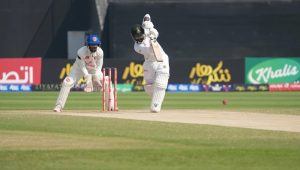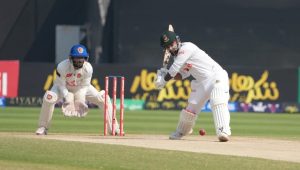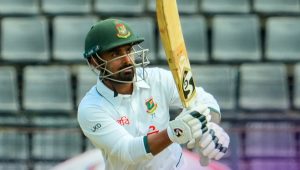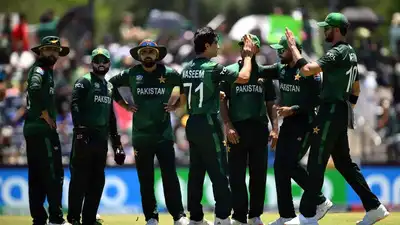



The Pakistan Cricket Board has announced a 17-player squad for the upcoming T20 International Tri-Series against the United Arab Emirates and Afghanistan, as well as for the Asia Cup 2025. Salman Ali Agha will continue to lead the national side in the shortest format, as the board has kept faith in his leadership for the important games ahead.
In the weeks leading up to the announcement, there had been talk that experienced stars Babar Azam and Mohammad Rizwan might return to the T20 team. However, the selectors decided to continue with their current plan. They focused on giving opportunities to younger players who have been showing promise in recent times. This decision reflects the vision of the selectors to build a fresh core of cricketers for Pakistan in the T20 format.
Even with the focus on youth, some senior names have been included to add strength and balance. Left-arm pacer Shaheen Afridi, who has been the main bowler for Pakistan, remains an important part of the squad. Along with him, fast bowler Haris Rauf brings raw pace and aggression, while dependable batter Fakhar Zaman and impactful all-rounder Khushdil Shah also keep their places. Wicketkeeper-batsman Mohammad Haris, who has impressed with his fearless style, has also been trusted to continue in the side. Hasan Ali, another vastly experienced fast bowler has also been included in the squad.
The selectors have further added exciting youngsters such as Hasan Nawaz, Salman Mirza, and Sufyan Moqim. These players will now have a chance to showcase their talent at their first ever Asia Cup. Pakistan will first feature in the Tri-Series, which begins on 29 August at the Sharjah Cricket Stadium. Soon after, the team will take part in the Asia Cup 2025, which will also be played in the United Arab Emirates.
Full squad:
Salman Ali Agha (C), Mohammad Haris (WK), Abrar Ahmed, Faheem Ashraf, Fakhar Zaman, Haris Rauf, Hasan Ali, Hasan Nawaz, Hussain Talat, Khushdil Shah, Mohammad Nawaz, Mohammad Waseem Jnr., Sahibzada Farhan, Shaheen Shah Afridi, Sufyan Moqim, Saim Ayub, and Salman Mirza.