


Imagine waking up in the morning, going to work or school, and returning home without ever seeing the sun. For weeks, the sky remains dark, the horizon glows with faint shades of blue, and the familiar rhythm of day and night seems to disappear. While this might sound like a scene from a fantasy film, it is an ordinary part of life for thousands of people living in the Arctic during a phenomenon known as the polar night.
The polar night occurs in regions inside the Arctic Circle, where the sun remains below the horizon for at least 24 hours during winter. The farther north a community lies, the longer the darkness lasts. In some places, the sun disappears for several weeks, while areas closer to the North Pole can experience months without a sunrise.
One of the best-known places to experience this phenomenon is Tromsø, a Norwegian city located well above the Arctic Circle. Here, the sun typically remains below the horizon from late November until mid-January. However, the darkness is not always complete. During the middle of the day, the sky can brighten with deep blue, pink and violet shades, creating a short period of twilight that locals have learned to appreciate.
Further north, Longyearbyen, the main settlement of Norway’s Svalbard archipelago, experiences an even longer polar night. The sun disappears in late autumn and does not return above the horizon until February. For residents, the arrival of sunlight becomes an eagerly anticipated event, marking the gradual return of brighter days.

Life during the polar night requires adjustment, but Arctic communities have developed routines that allow daily activities to continue despite the darkness. Schools remain open, workplaces operate normally, and shops welcome customers. Streetlights, illuminated windows and warm indoor spaces help towns maintain a sense of familiarity when the surrounding landscape remains dark.
Winter clothing is essential, as temperatures can fall well below freezing. Residents rely on insulated jackets, thermal layers, sturdy boots and suitable outdoor equipment to travel comfortably. In places where snow and ice cover the ground, careful planning becomes part of everyday life.




For many residents, the challenge is not simply the absence of sunlight but the way darkness can affect sleep, energy and mood. Natural light helps regulate the body’s internal clock, so its prolonged absence may disrupt sleeping patterns or leave some people feeling tired. Residents often maintain regular schedules, stay physically active and spend time with friends and family to support their well-being.
Artificial lighting can help people navigate their surroundings, although it cannot completely replace the effects of natural daylight. Some people also use light therapy after consulting healthcare professionals, particularly when they experience persistent winter-related mood difficulties.
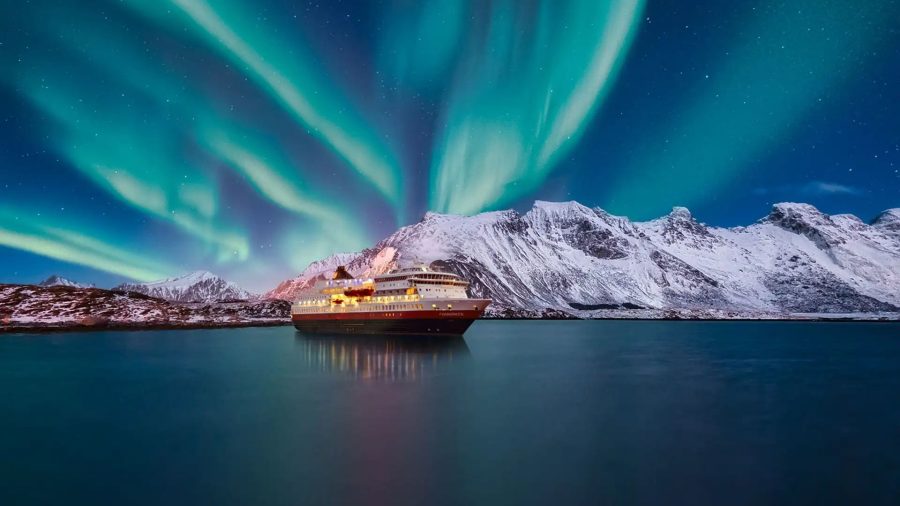
Despite the challenges, the polar night has a beauty of its own. When the skies are clear, the northern lights may sweep across the darkness in waves of green, purple and pink. These colourful displays occur when charged particles from the Sun interact with gases in Earth’s atmosphere, producing one of the Arctic’s most celebrated natural spectacles.
Snow-covered streets reflect the glow of lamps, while homes and cafés become welcoming places to gather. In Scandinavian communities, winter traditions often place particular importance on candles, warm drinks, shared meals and spending time indoors with loved ones.
Outdoor activities also continue throughout the season. Residents may go skiing, walk along illuminated paths or take part in winter festivals. In Tromsø, the polar night is accompanied by cultural events, concerts and opportunities to experience the region’s distinctive winter landscape.
For visitors, the experience can be unforgettable. However, travelling during this period requires preparation, including warm clothing, flexible itineraries and realistic expectations about daylight. Weather conditions can change quickly, and the northern lights are never guaranteed to appear on a particular night.
The end of the polar night is an important moment in many Arctic communities. As the sun approaches the horizon again, residents begin to anticipate longer days and brighter skies. In Longyearbyen, the return of sunlight is celebrated through local traditions, reflecting the significance of this natural transition.
The polar night reminds us that human life can adapt to environments that initially seem extraordinary. In the Arctic, darkness is not simply an obstacle to overcome; it is a season with its own rhythms, traditions and opportunities for connection. While the rest of the world measures winter through colder mornings and shorter afternoons, Arctic communities experience something far more dramatic: weeks without a sunrise. Yet life continues, shaped by resilience, community spirit and the quiet beauty of a world waiting for the Sun to return.