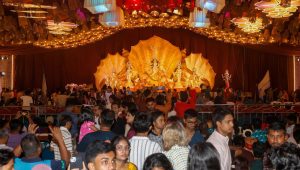



As autumn settles over Kishoreganj, the air in Katiadi begins to throb with a familiar rhythm.
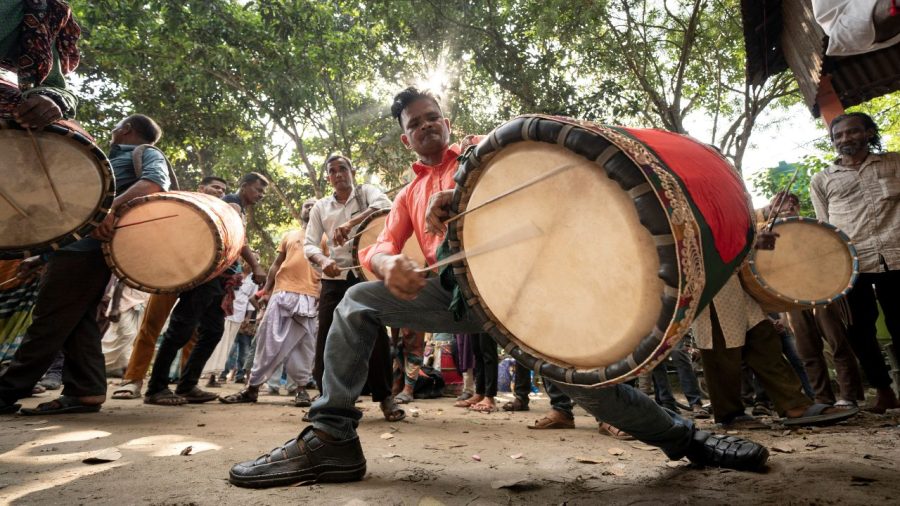
The roar of the dhak, the beat of the dhol, and the melody of the sanai fill the streets of Puran Bazar, announcing the return of a tradition that has endured for nearly five centuries.
Centring on Durga Puja, Katiadi’s traditional dhak market is not merely a place of commerce.

It is a gathering of Bengal’s folk culture, harmony, and heritage.

Dhakis and musical instrument players from across the country arrive here each year to showcase their art and skill, their instruments slung over their shoulders and their reputations preceding them.
This year, as in centuries past, the market buzzes with activity.

Buyers and sellers haggle over prices.


Young dhakis watch seasoned masters, learning rhythms that have been passed down through generations.
The sound of rehearsals drifts through the bazaar, a preview of the celebrations to come.
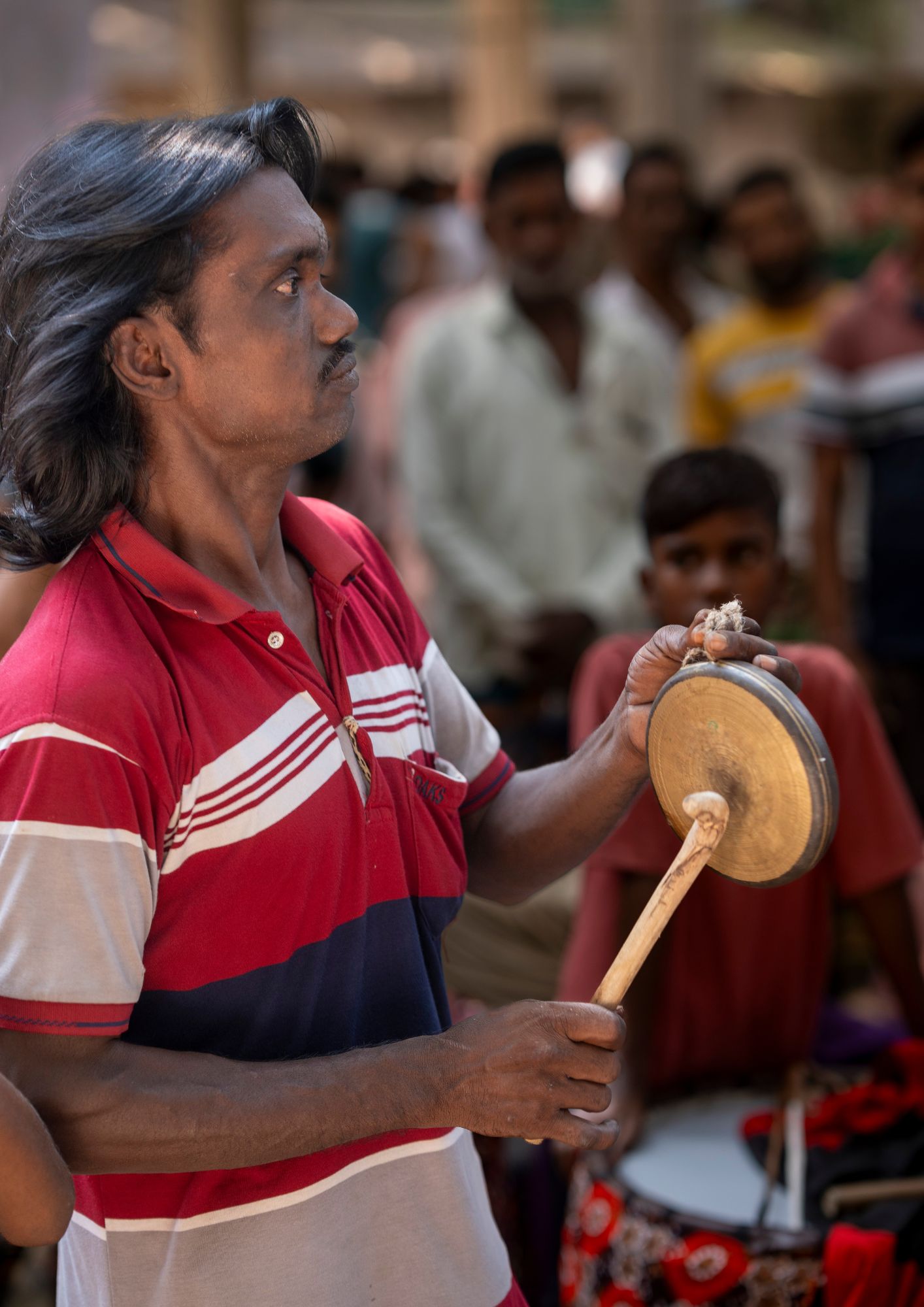
For many, the market is as much about community as it is about commerce.
What makes Katiadi’s dhak market remarkable is its longevity.
For 500 years, it has survived empires, partitions, and the relentless march of modernity.
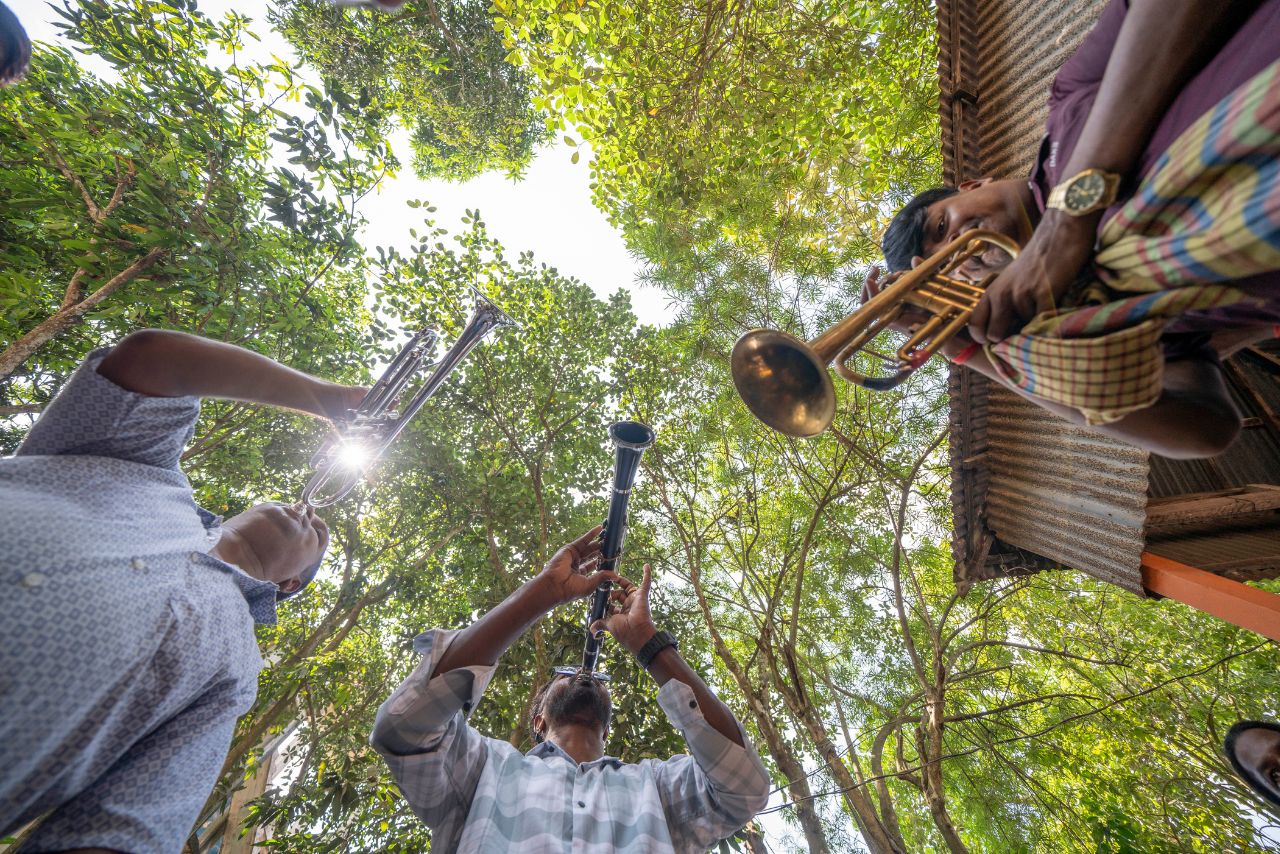
Where other traditions have faded, this one has endured, kept alive by the devotion of artisans, the enthusiasm of dhakis, and the enduring demand for the sound that defines Durga Puja.
For the people of Katiadi, the market is more than a seasonal event.
It is an identity.
It is proof that some traditions are too deeply woven into the fabric of a community to be easily undone, and as long as the dhak roars and the sanai sings, that fabric will hold.