
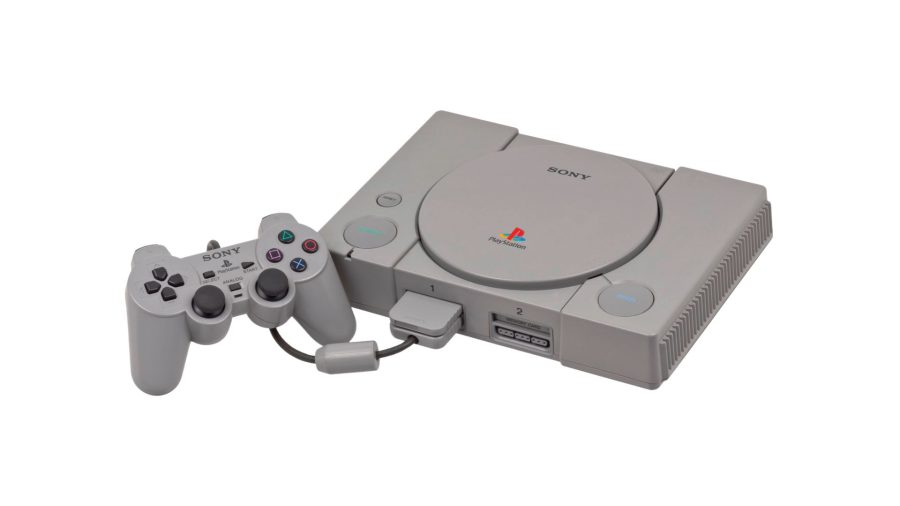



In 1994, the video game industry was a predictable, cartridge-based, child-friendly playground. Nintendo and Sega were the two undisputed kings of the industry and had a tight grip on the console market, with no other company close to competing with them. But little did anybody know, a technological storm was brewing behind closed doors.
Publicly embarrassed and driven by a desire for revenge, a multi-billion-dollar tech giant secretly developed a machine that didn’t just aim to compete but to change the industry. When the 32-bit grey box hit the store shelves, its hyper-realistic 3D polygons permanently dragged gaming out of the toy aisle and laid the foundation for a multi-billion-dollar mainstream empire. The world of entertainment was never the same once the original PlayStation (PS1) debuted.
In 1991, Sony was basically an outsider to the gaming industry. Impressed by Sony engineer Ken Kutaragi’s collaborative work in the early 1980s, Nintendo agreed to partner with Sony to build a CD-ROM drive add-on for the Super Nintendo, codenamed “Play Station”. However, the alliance shattered spectacularly at the 1991 Consumer Electronics Show (CES).

Just one day after the announcement, the alliance with Sony was dissolved due to a dispute over control of software licensing rights and revenues of the new CD format. Humiliated but deeply determined, Sony President Norio Ohga authorized Kutaragi to transform the failed prototype into a standalone gaming powerhouse designed to crush their former partners.




Despite internal resistance, Kutaragi developed a system that delivered cutting-edge, real-time 3D polygon graphics and offered developers 700 megabytes of storage, nearly 100 times the capacity of a standard cartridge. Backed by Sony’s multi-billion-dollar manufacturing muscle and an aggressive outreach campaign to third-party developers, the PlayStation launched on December 3, 1994.
To dominate the market, Sony launched the console at a loss price of $299, as expensive cartridges were replaced with cheap-to-manufacture CD-ROMs; Sony willingly sold the hardware at a financial loss, knowing they would recoup the money through a 30% licensing fee on every game disc sold. This affordable entry price, combined with marketing targeted at teenagers and adults rather than children, allowed the machine to infiltrate mainstream pop culture rapidly.
The gamble paid off as cinematic, narrative-driven games like Final Fantasy VII and Metal Gear Solid became massive cultural phenomena that drove unprecedented hardware adoption. It became the first home console in history to sell 102 million units globally and nearly 950 million game discs. By proving that games could be mature, cinematic experiences, this strategy permanently transformed video gaming from a niche adolescent hobby into the multi-billion-dollar mainstream entertainment empire we know today.
Three decades later, the legacy of that pivotal era continues to shape the modern entertainment landscape. What began as a high-stakes corporate gamble permanently broke the boundaries of digital media, elevating video games into a sophisticated art form. Today’s massive global gaming industry still runs on the blueprint of the grey console, a milestone that proved video games could grow up alongside the generation that played them.