


- 51% decline in dyeing
- 40% fall in garment sewing
- 37-38% drop in knitting
- 78% drop in gas pressure
- 200% increase in power outage
- 92% spent higher for alternative fuels
- 87% reported shipment delays
- 55% faced export order cuts or cancellations
Gas supply has recovered to where it was before the disruption starting in July.
But the fallout from the acute energy crisis is still weighing on knitwear exporters, with 60 per cent of surveyed factories forced to offer discounts to buyers after shipment delays disrupted delivery commitments.
The findings came from a Bangladesh Knitwear Manufacturers and Exporters Association (BKMEA) survey based on responses from 134, or around 20 per cent of its active member factories.
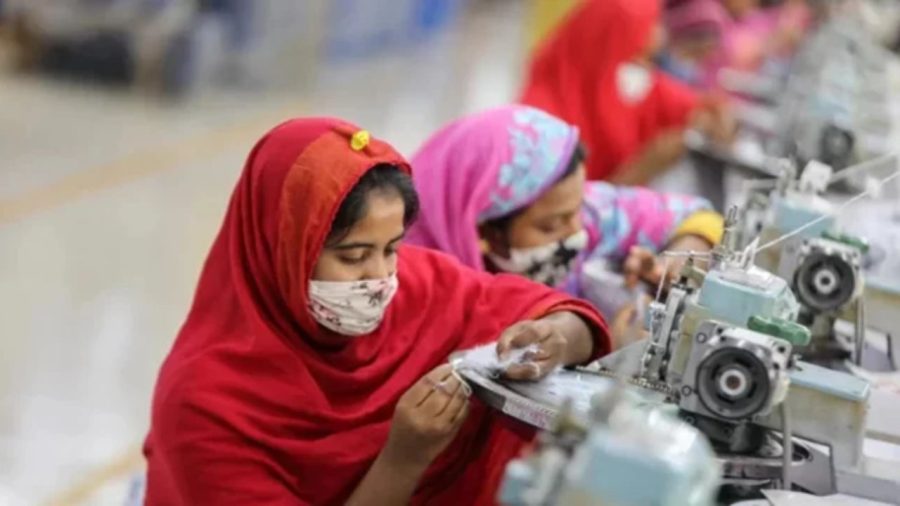
The crisis has hit the entire production chain, with dyeing units facing the largest setback. Dyeing output declined by an average of 51 per cent, while garment sewing production fell by 40 per cent and knitting output dropped by around 37-38 per cent compared with normal levels.
Power shortages were the biggest source of disruption, reported by around 90 per cent of respondents. Around 75 per cent reported being affected by gas shortages, while 14 per cent cited other causes.

Among factories that provided gas supply data, the pressure was found to be around 78 per cent below normal requirements on average.
Factories reporting load-shedding said daily power interruptions had increased by around 200 per cent compared with previous levels, leaving outages nearly three times longer than before.
The energy shortage has also increased costs and weakened buyer confidence. Around 92 per cent of respondents said they had to bear additional costs for alternative fuels, while the same proportion reported losses from idle labour hours.
Around 89 per cent faced the risk of losing buyer confidence, while 87 per cent reported shipment delays. Around 78 per cent experienced partial production shutdowns, 59 per cent faced risks of loan repayment difficulties and 55 per cent reported export orders being reduced or cancelled.


Complete production shutdowns were reported by 7 per cent of the surveyed factories.
BKMEA Executive President Fazlee Shamim Ehsan, however, said on Tuesday evening that no factories were permanently shut down during the energy crisis.
With gas supply restored to pre-disruption levels, he hoped a production rebound would be reflected in the BKMEA survey again.
“We firmly believe that the government’s policy support helps businesses recover from a crisis,” he added.
The gas disruption had followed an incident at one of Bangladesh’s two floating storage and regasification units (FSRUs) on 21 July, which reduced liquefied natural gas (LNG) availability. Resolving the technical issue and securing an LNG cargo helped restore gas supply to pre-disruption levels on Monday.
But exporters said the dent in their business remained.
The LNG disruption added pressure to a gas market already facing a structural shortage.
Bangladesh has been running with an estimated daily gas deficit of around 1,000 million cubic feet per day (mmcfd), with supply at around 2,800 mmcfd against demand of nearly 3,800 mmcfd.
Declining domestic production has reduced local gas output by 100-200 mmcfd to around 1,600 mmcfd, while two FSRUs have supplied around 1,000 mmcfd from imported LNG.
Following the FSRU incident and LNG cargo shortages, supply to the grid was halved and remained around 700 mmcfd for several days amid cargo shortages before returning to normal levels.
Factories from major industrial areas participated in the survey, with 45-46 per cent of responses coming from Narayanganj, followed by Gazipur at 20 per cent, Chattogram at 18 per cent, Dhaka at 13 per cent and other locations at 3 per cent.
BKMEA said the survey highlights the impact of energy instability on production capacity, delivery commitments and Bangladesh’s competitiveness in global knitwear markets.