As we celebrate the first anniversary of (a new journey) at the TIMES of Bangladesh, looking back at the journey of our Wide Angle section brings a profound sense of pride and gratitude.
Wide Angle was created to serve as a powerful visual mirror to the complex realities of our nation, and today, I want to share some of our favourite pieces from this past year, stories that truly represent our commitment to deep, human-centred storytelling.
We love “A year marked by fire” because of its unflinching bravery, documenting how fire returned repeatedly to test our cities – from the closely built lanes of the Korail slum to the cargo complex of Hazrat Shahjalal International Airport – forcing us to ask hard questions about ignored safety.

Our feature “Built on inequality” remains a favourite for how it turned a quiet spotlight on a harsh gendered reality, showing the unequal wages and long-term health risks carried by the resilient women who breathe in toxic coal dust to build our cities brick by brick.
We chose “Measles outbreak: A preventable tragedy” because of the raw emotion in its visual journalism. It captured the heartbreaking scene of crowded hospital corridors to tell a vital story of how temporary, easily ignored systemic shifts in vaccine procurement can open up devastating public health vulnerabilities.



Among our absolute favourites is “Shitalakshya: River of two colours.”.
Captured beautifully by Mahmud Zaman Ovi from the Sultana Kamal Bridge in Demra during heavy rain, it showed a striking, almost surreal natural boundary: One stretch of the river thick, black, and stagnant, flowing side-by-side with fresh, lighter monsoon rainwater.
In “Dhaka’s mountains of misery”, we confronted the environmental crisis of the Matuail and Aminbazar landfills. We followed the lives of people like Momtaz Begum, who started scavenging at the landfill at age 10 and now earns just Tk8,000 a month while suffering from breathing difficulties.
The story brought to light the invisible toxins – including PM2.5, PM10, dioxins, and furans – polluting the air of nearby residents.
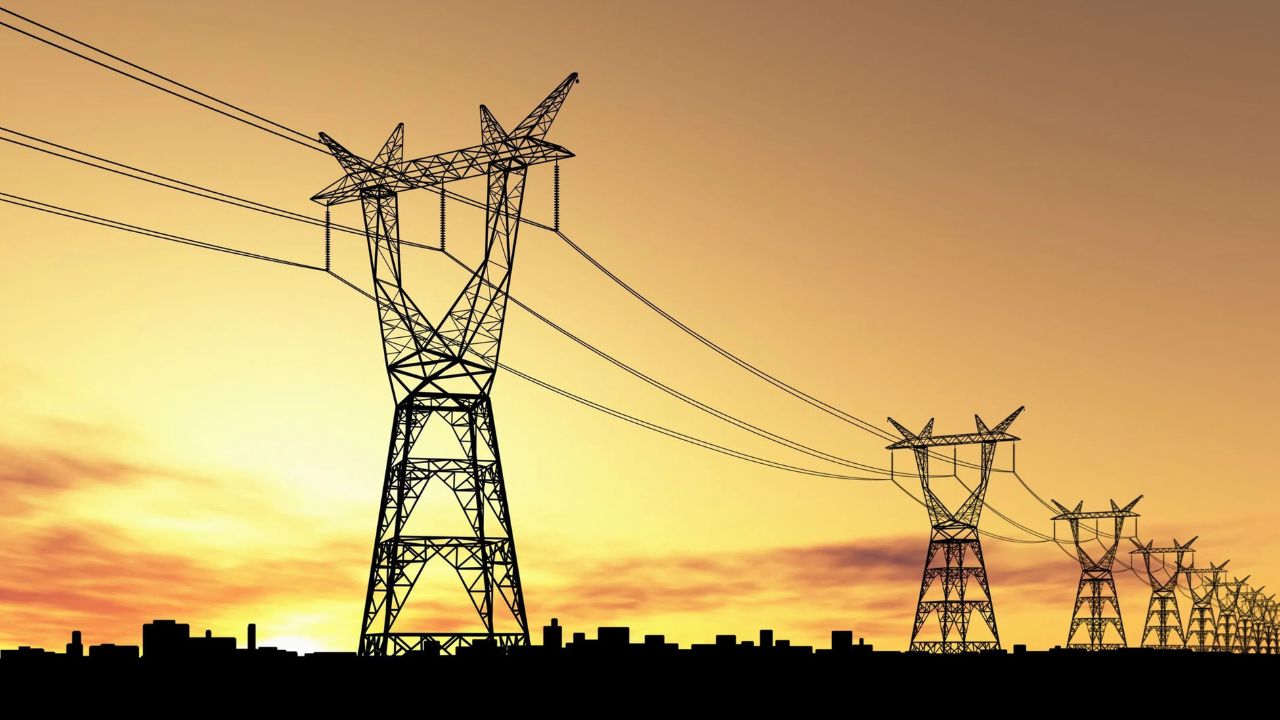
Finally, “Six months in: BNP govt by the numbers” stands out as a triumph of data-driven journalism, providing an objective audit of our post-transition (and post-uprising) reality – from severe power load-shedding in rural districts to the pressing challenges facing press freedom.
This calibre of storytelling is only possible because of the immense dedication and courage of our writers and photojournalists. As we step into our second year, we promise to keep chasing the stories that matter, with the same empathy and visual excellence.