


Business travel often extends beyond meetings and exhibitions. It becomes an opportunity to understand cultures, build relationships, and sometimes reconnect with history.
In February 2025, I embarked on an eight-day business trip to Germany with two distinct objectives. The first was to explore global sourcing trends and sustainable product innovations at Ambiente 2025 in Frankfurt, one of the world’s leading consumer goods exhibitions. The second was deeply personal: To travel to Hamburg and revive a business relationship first established by my late father more than five decades ago.
Like every other business journey, this trip began long before boarding the aircraft. Months of research went into securing the visa, planning transportation, arranging accommodation, obtaining travel insurance, and coordinating meetings. Much of this planning was guided by my business principal, whose professionalism made every stage of the journey remarkably smooth.
After arriving in Frankfurt, I stayed near the city’s central railway station, a practical location that offered easy metro access to Messe Frankfurt, the vast exhibition complex hosting Ambiente.
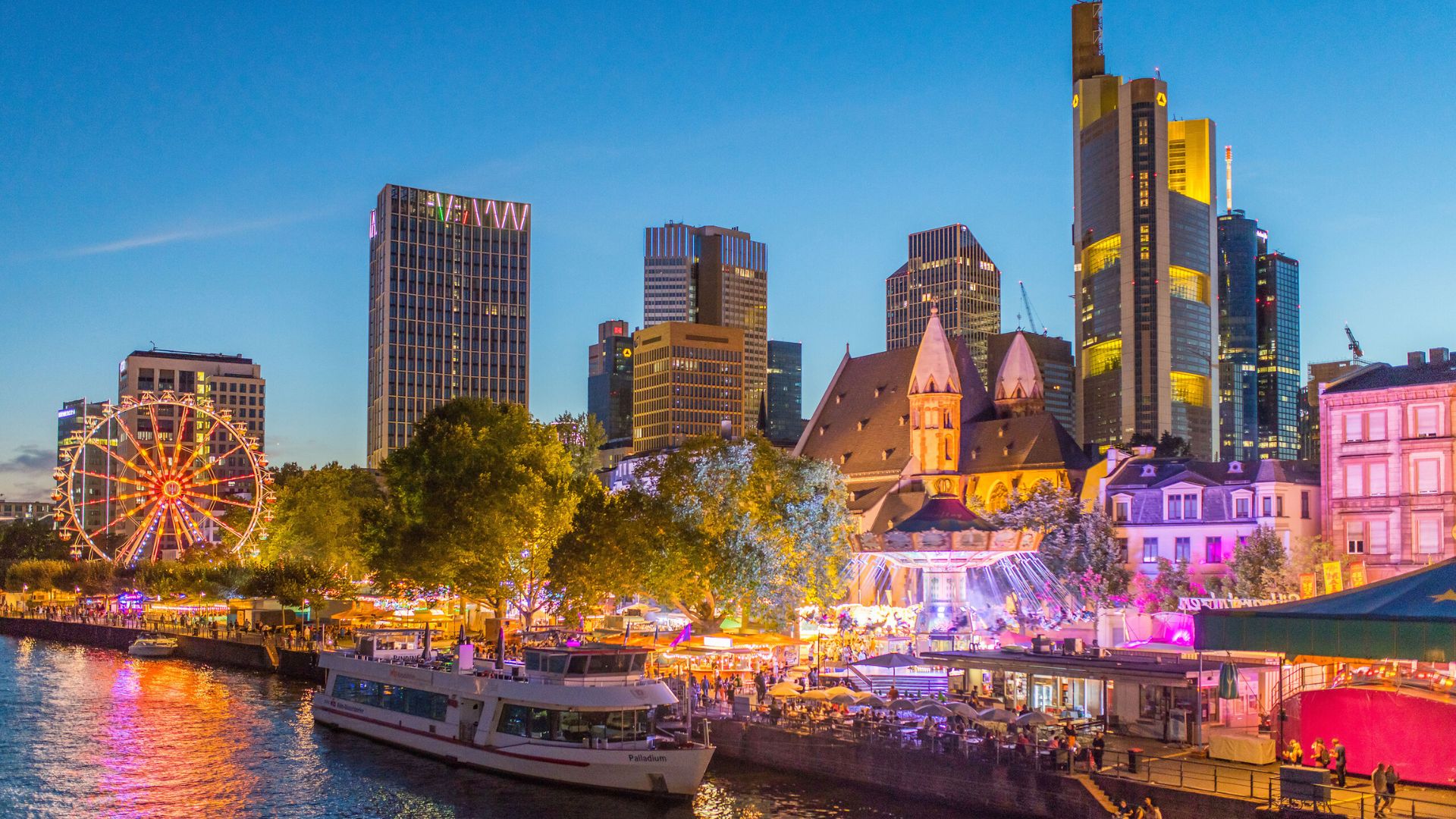
The exhibition immediately demonstrated why it remains one of the world’s most influential sourcing platforms. Thousands of exhibitors showcased products ranging from home décor and lifestyle goods to sustainable packaging, textiles and handicrafts.
For me, the visit was not simply about displaying products; it became an intensive learning experience.

Working alongside my principal, I observed how experienced exporters engage international buyers, identify customer requirements, present new collections, negotiate professionally and follow up with potential clients. Every conversation became a practical lesson in international business communication.
Our company introduced several new wholesale jute shopping bags designed specifically for European retailers. Watching buyers compare products, ask detailed technical questions and discuss sustainability requirements provided valuable insight into evolving global consumer preferences.
Whenever time permitted, I visited other pavilions to observe booth presentations, branding techniques and customer engagement strategies. The experience reinforced an important lesson: successful exporting today depends not only on manufacturing quality products but also on presenting them professionally.




One pleasant surprise throughout the exhibition was the warmth of the Bangladeshi expatriate community. Their hospitality – whether offering guidance, encouragement, or simply sharing homemade meals – made a foreign country feel remarkably familiar.
Business travel also teaches respect for local systems. An early misunderstanding regarding public transport regulations resulted in a metro fine. Rather than viewing it as an inconvenience, I considered it an important reminder that punctuality, honesty and compliance with rules are deeply embedded in German society. We accepted the mistake, paid the fine, and moved forward.
Small experiences like these often teach more about a country’s culture than guidebooks ever can.
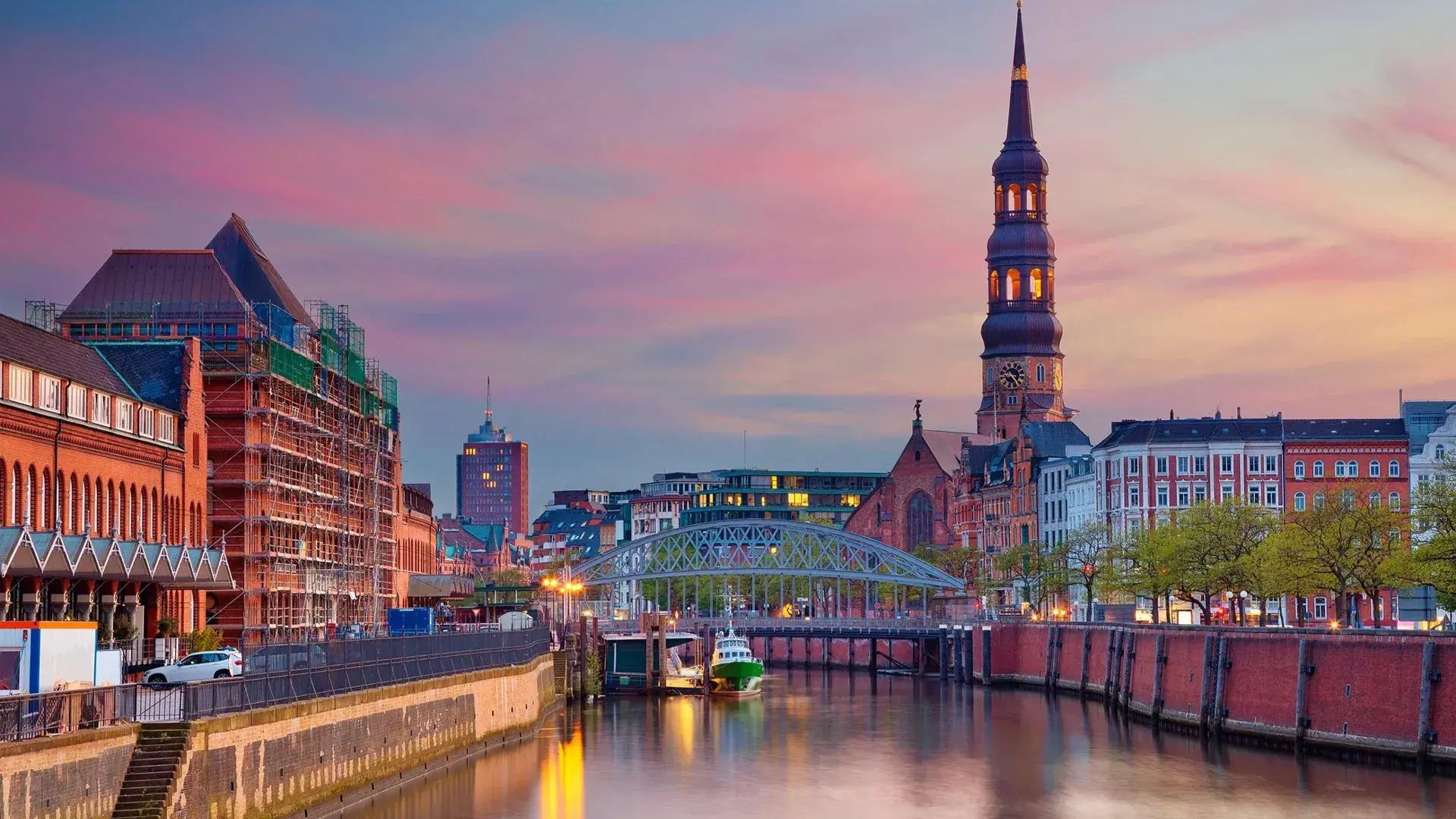
The second phase of my journey took me to Hamburg. Unlike Frankfurt, which represented the future of international trade, Hamburg represented my father’s past business relationship.
During the 1970s and early 1980s, my late father served as the exclusive Bangladeshi agent for a respected German company importing raw jute—then known worldwide as Bangladesh’s “Golden Fibre.”
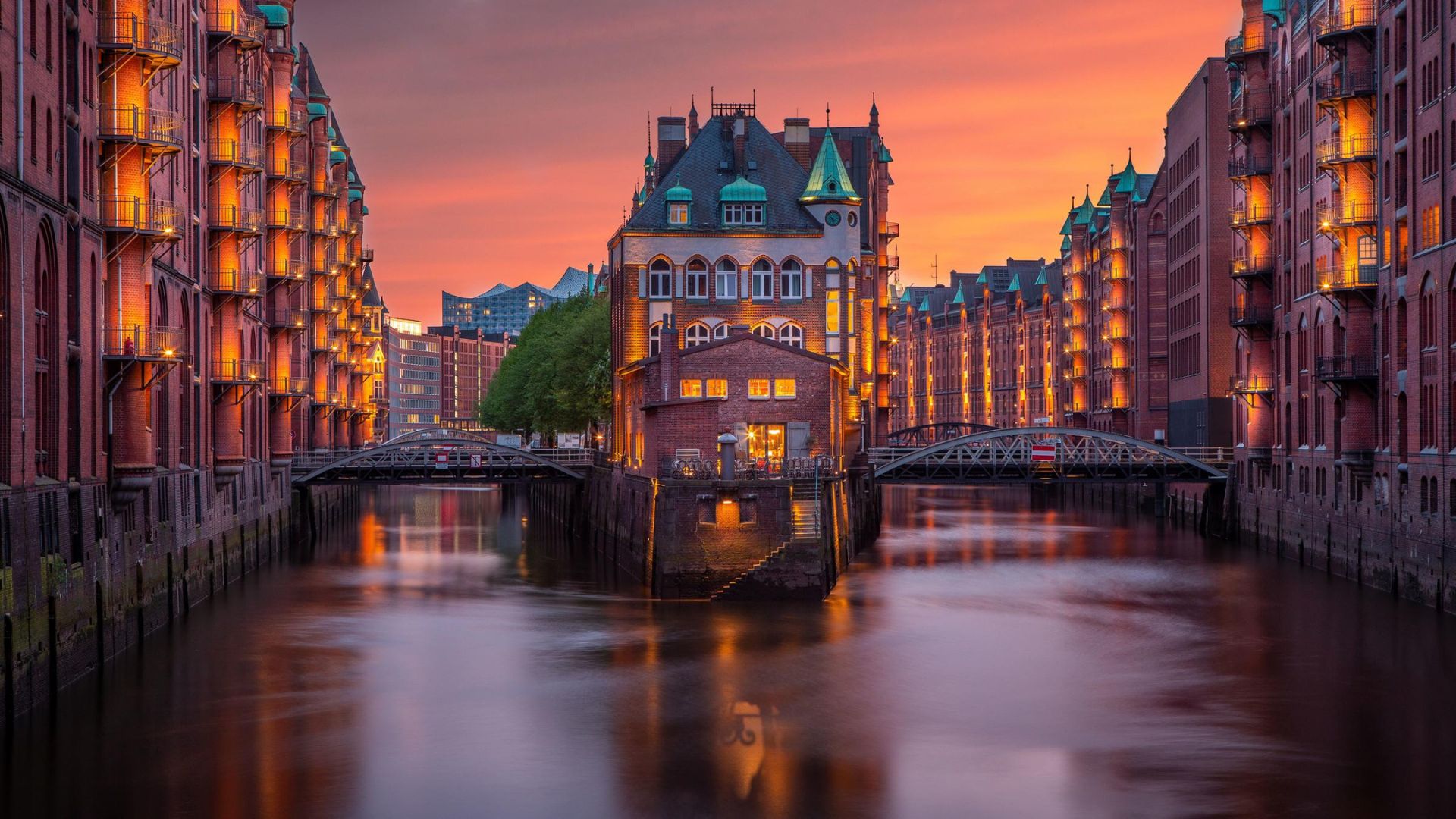
The company’s former owner, now 89 years old, graciously agreed to meet me at the historic Übersee Club overlooking Hamburg’s famous port.
As we shared lunch, he recalled working with my father, remembering handwritten letters, fax messages, long-distance telephone calls and the mutual trust that sustained international business long before email and video conferencing transformed global commerce.
Listening to those memories was deeply moving. I spoke about Bangladesh’s evolving jute sector, the emergence of diversified jute products, growing interest in sustainable materials and our efforts to position natural fibres for modern global markets.
The conversation reminded me that while technologies evolve and markets change, the foundations of successful business remain remarkably constant: Trust, integrity and long-term relationships.
Walking through Hamburg afterwards, I found myself imagining my father travelling the same streets more than forty years earlier. It was a rare feeling, as though business history had come full circle.
When I returned to Bangladesh, I carried home much more than catalogues, business cards and exhibition brochures. I returned with renewed confidence in Bangladesh’s growing potential within the global sustainable products industry.
I also returned with a deeper appreciation for the legacy my father left behind, a reminder that genuine business partnerships can endure across generations when they are built upon honesty, respect and shared values.
Frankfurt showed me where global trade is heading. Hamburg reminded me where my own journey renewed. Together, they transformed a routine business trip into a memorable lesson about commerce, heritage and the enduring power of human connection.