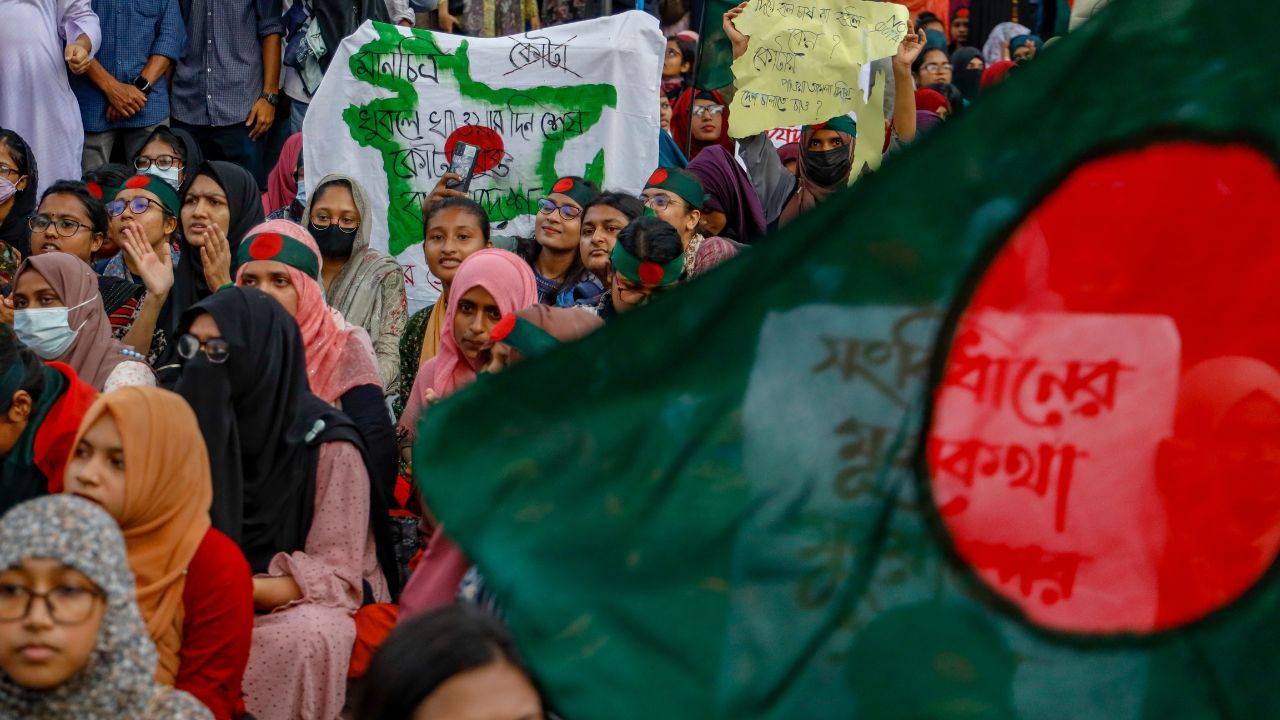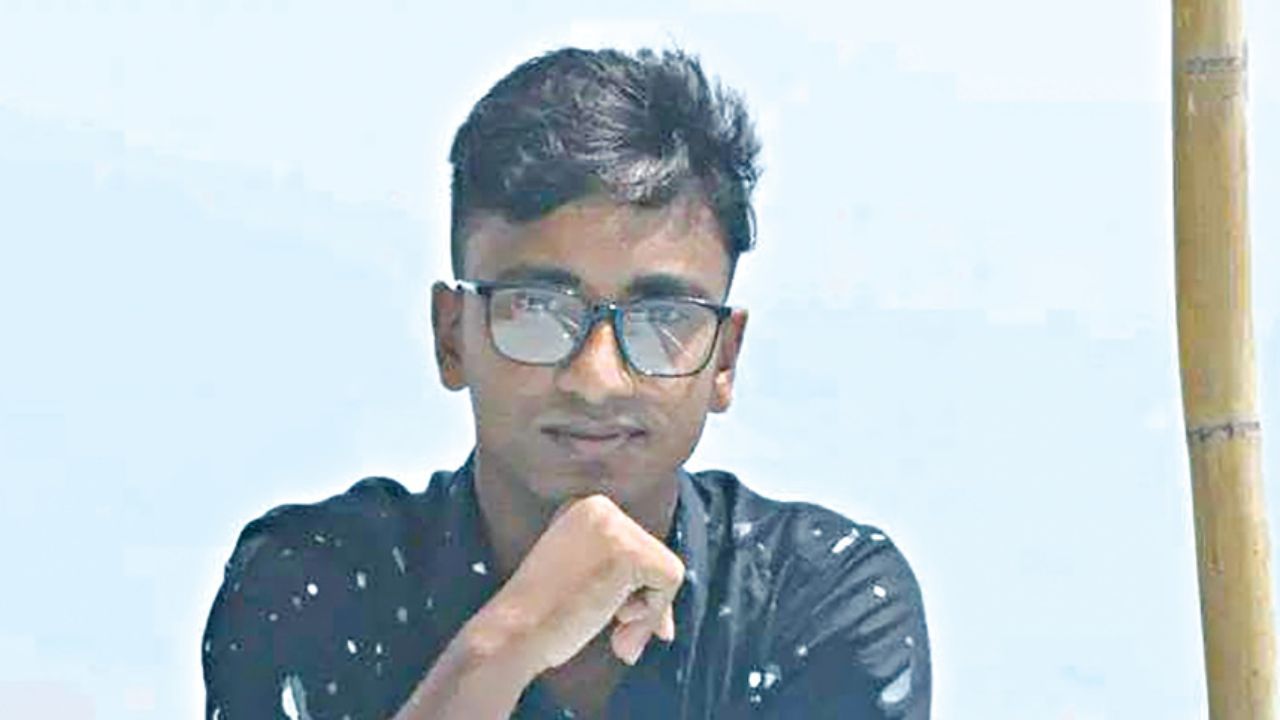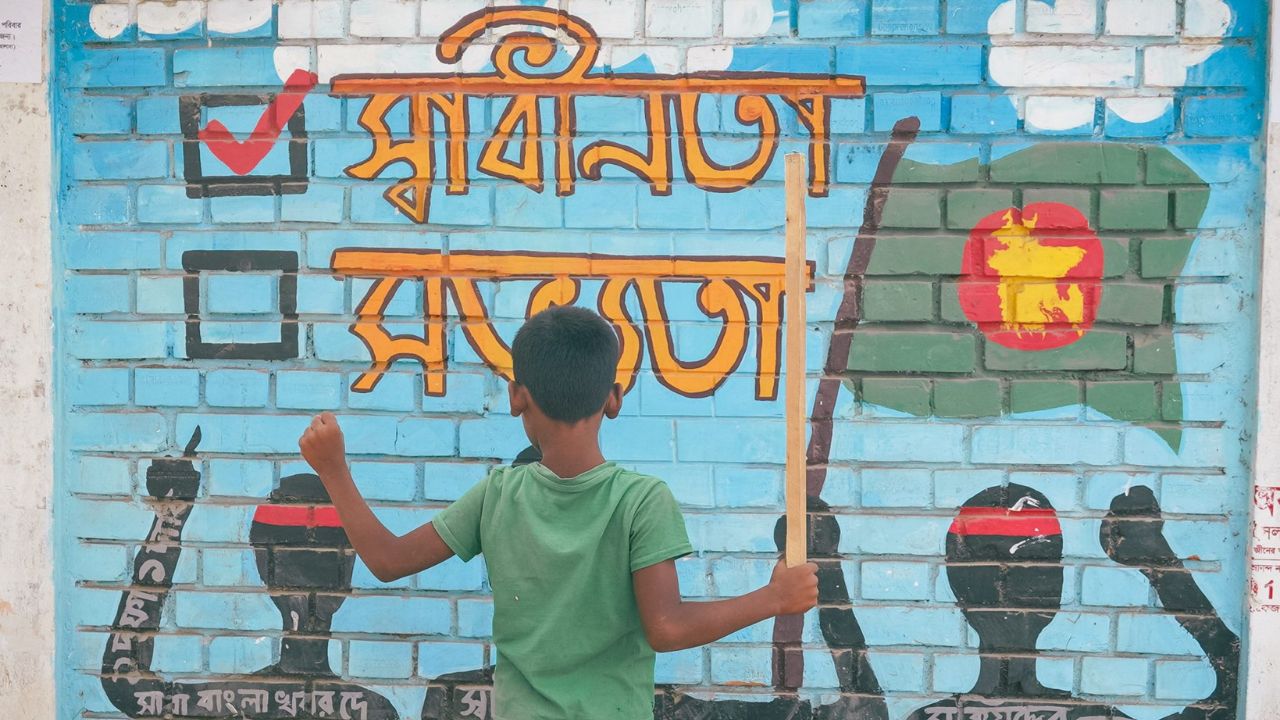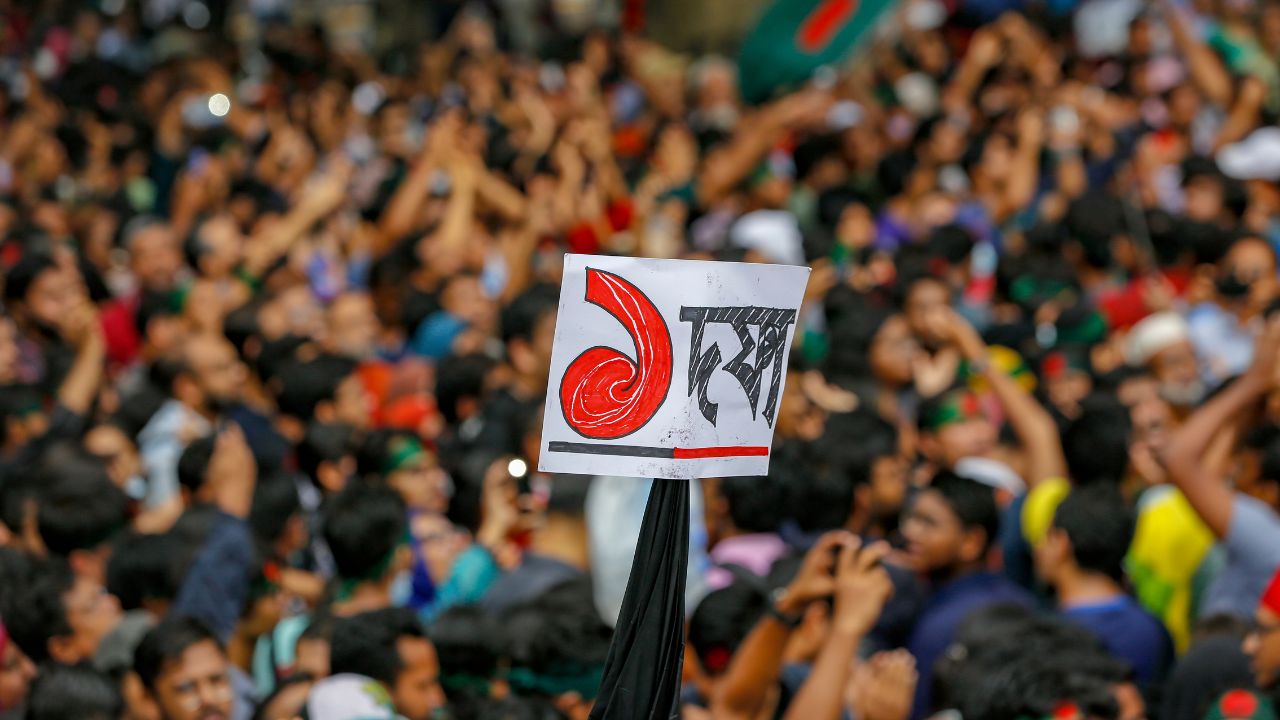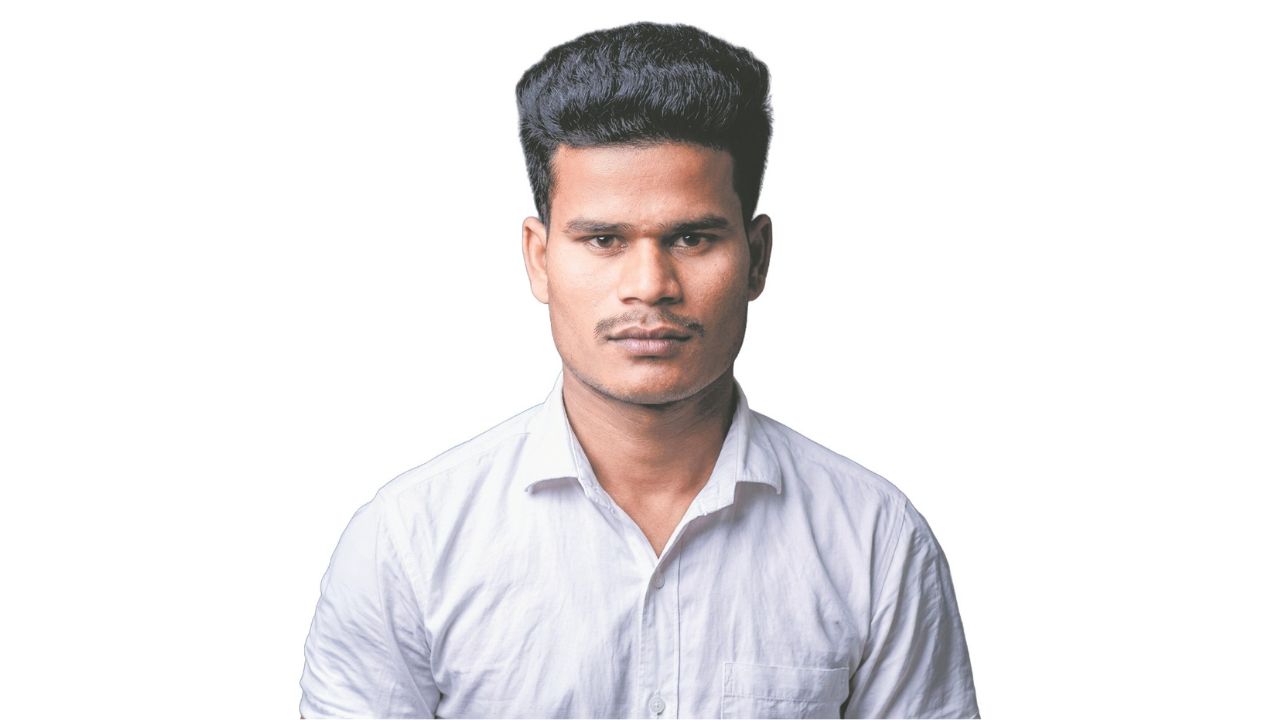

Since 5 August 2024, Khokon Chandra Barman has no longer seen the same face when he looks in the mirror. His face was severely damaged by gunfire in front of Jatrabari Police Station on the day of the July mass uprising. His upper lip, gums, nose, palate and one eye were destroyed, leaving a large cavity.
Khokon, 23, worked as a driver and had been involved in the movement in Jatrabari from the beginning. After being shot on 5 August, he unlocked his mobile phone for someone so that his family could be contacted. That person later informed his elder brother, Khoka Chandra Barman.
He now lives in a small tin-roofed room in Sattala Staff Colony, Mohakhali. Even in intense heat, he wears a mask and dark glasses. One eye is gone, while sight in the other has almost disappeared.
Two years after the mass uprising, he shares his regrets, dreams and expectations in an interview with Taufiq Hossain Mobin of TIMES of Bangladesh.
Nearly two years have passed since the July movement. The interim government remained in office for about a year and a half, while the current elected government has completed nearly six months. As an injured movement activist, how do you view the political reality?
We became involved in politics to work for the country and its people. But given the current state of politics, I still cannot call it good. Violence continues.
A few days ago, National Citizen Party leader Nasiruddin Patwari went to Habiganj to meet martyrs’ families. If there was anything wrong with what he said, there are laws and an administration to deal with it. But taking the law into their own hands, attacking people and destroying someone’s eyesight is deeply painful.

I never expected that, after the Sheikh Hasina government killed our brothers and destroyed people’s eyesight in July, we would witness the same scenes again.
You joined the movement with hopes of change. How do you assess those expectations two years later?
We expected the new government to develop the country, run the state with discipline, ensure opportunities for people and pay attention to agriculture. Those expectations remain.
The interim government tried to work for the country, although it made mistakes. I think some of its activists created more problems than the government itself.
What is the current state of your treatment?
I have travelled abroad three times for treatment and am scheduled to go again on 24 August.

The government has arranged my treatment and provides a monthly allowance. A considerable amount of personal money has also been spent, although I cannot say exactly how much.
I am much better than before. Previously, I could barely speak because this part of my face had been completely damaged.
How hopeful are you of returning to a normal life?
Doctors say it will take time and that I may recover by 70 to 80 per cent. However, they cannot yet say whether my eyesight will return.
You used to drive. How are you supporting yourself now?
I depend entirely on the government allowance, but Tk20,000 is not enough to run a household. I have a family and a future. I cannot see through one eye and have very limited sight in the other.
Many other injured brothers like me can no longer work as they did before.
Have you had an opportunity to speak to anyone in authority?
No. However, I am very interested in meeting the prime minister. I do not know whether he still remembers my case.
I want jobs or business opportunities for injured people like us so that we can support our families.
What would be your main appeal if you met the head of government?
I would ask that regular contact be maintained with those injured in July and with martyrs’ families.
Employment should also be arranged for injured people so that they can support their families. Those responsible for leaving us disabled should face justice and punishment.
Who is in your family?
My father, mother and the three of us brothers—five people in total. My elder brother is unmarried, and the other is younger. Everyone remains mainly occupied with my treatment.
You joined the NCP. How much support have you received from party leaders, activists and fellow movement participants?
I received support with my treatment. My friends were beside me and still keep in touch. I only want my treatment to be completed properly.
Do you now take part in party programmes?
No. Given the attacks in the current political climate, it is impossible to know what might happen. Because of that fear, I no longer go anywhere.
Do you remain in contact with those injured in July and with martyrs’ families?
Yes. We also have a July organisation, although no significant programme has yet been planned for the second anniversary.
If you enter active politics in the future, what would be your commitment to the people?
I want to do something for the people of Sherpur so that they remember me even after my death. I want to do work that benefits people.
Finally, would you like to say anything to the people and your fellow fighters?
I would tell my injured brothers not to stop. Even those with whom we may not have regular contact should continue their treatment.
I want everyone to receive proper treatment and keep moving forward with the same determination with which they have fought to survive.