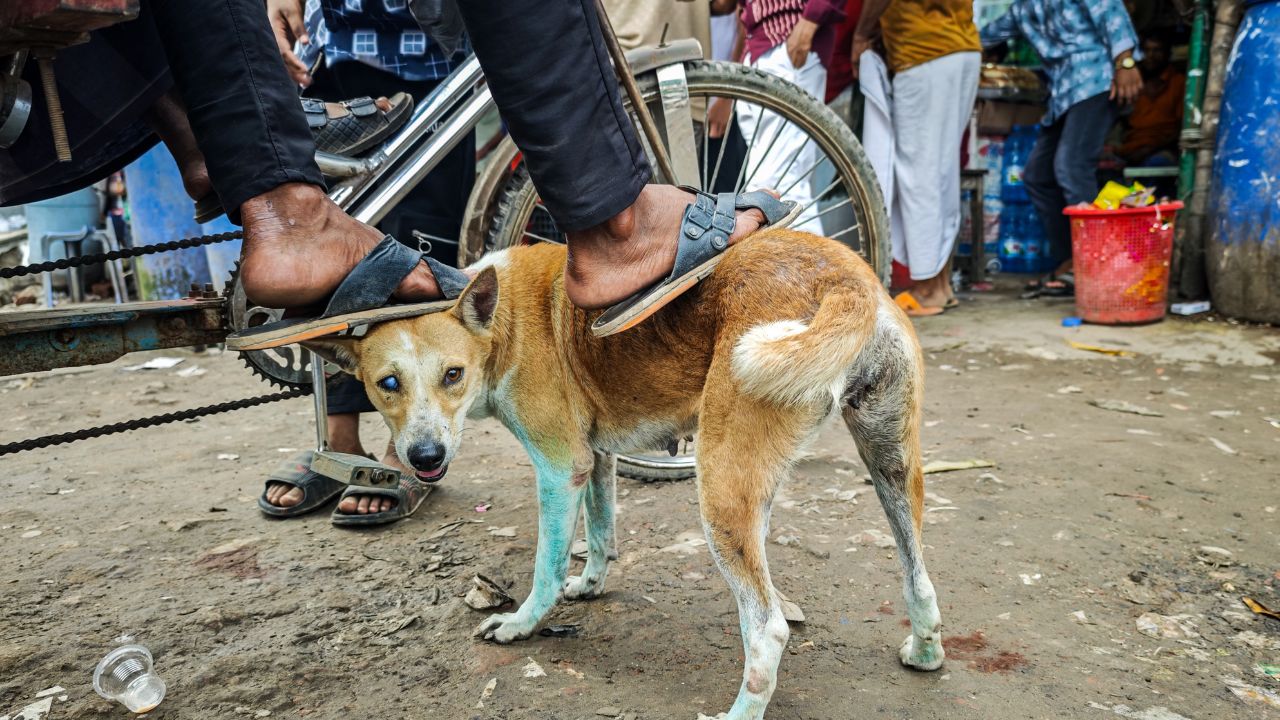

Most stray dogs in the capital spend their days scavenging for food in garbage dumps and roadside bins, often left with nothing to eat but rotten, foul-smelling waste. In some areas, they have even been seen feeding on hazardous medical waste discarded by hospitals, simply to survive.
Animal welfare advocates warn that consuming such contaminated, infectious waste puts stray dogs at high risk of serious disease, and that the poor waste management enabling it poses a broader threat to public health and the environment.
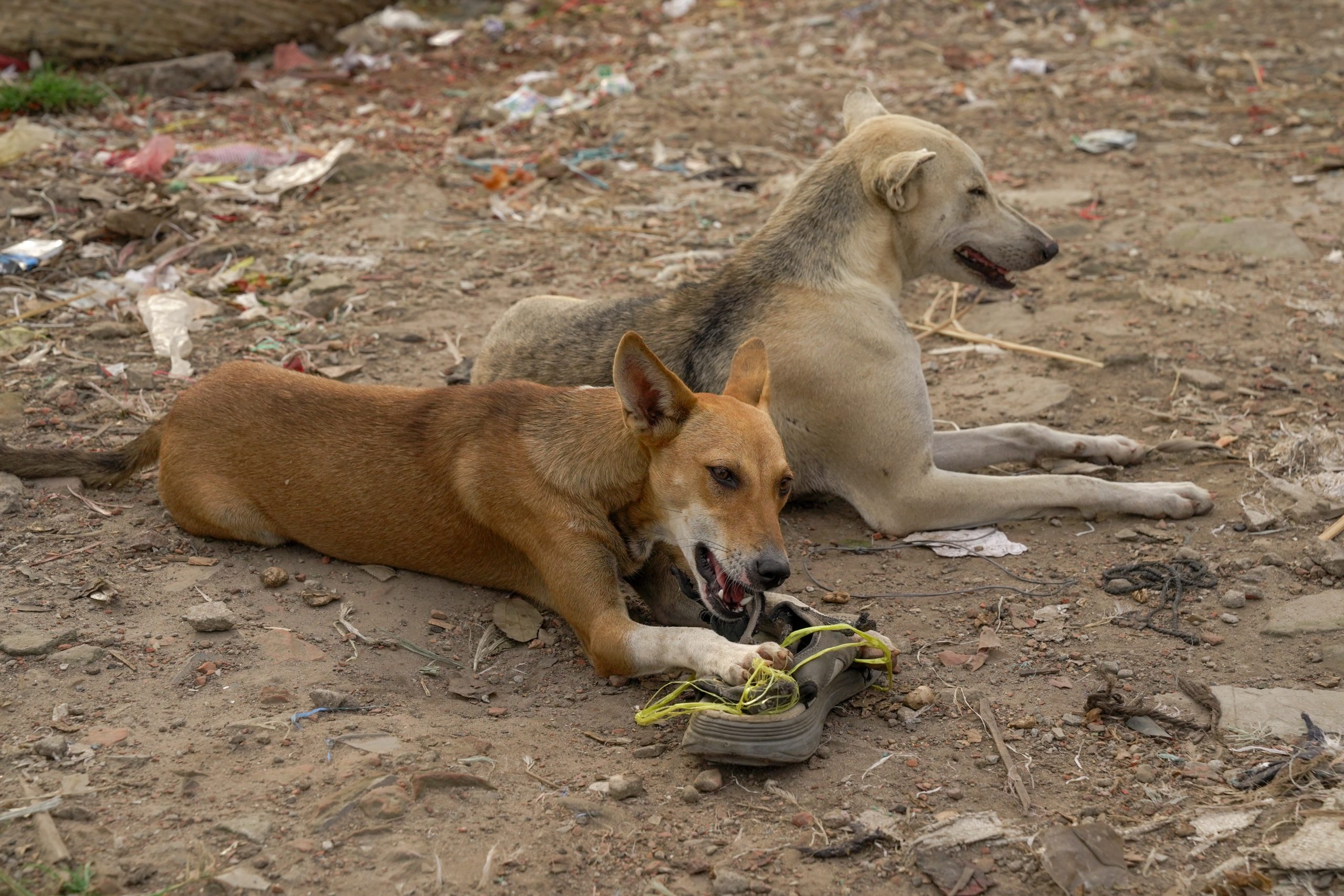
Hunger, illness and mistreatment in human hands can also drive stray dogs toward aggressive behaviour. Experts say this aggression is typically rooted in self-defence, physical pain, or prolonged psychological stress rather than any inherent hostility.

A dog that has been kicked, starved, or left to suffer is not naturally vicious; it is reacting to a world that has shown it little kindness.



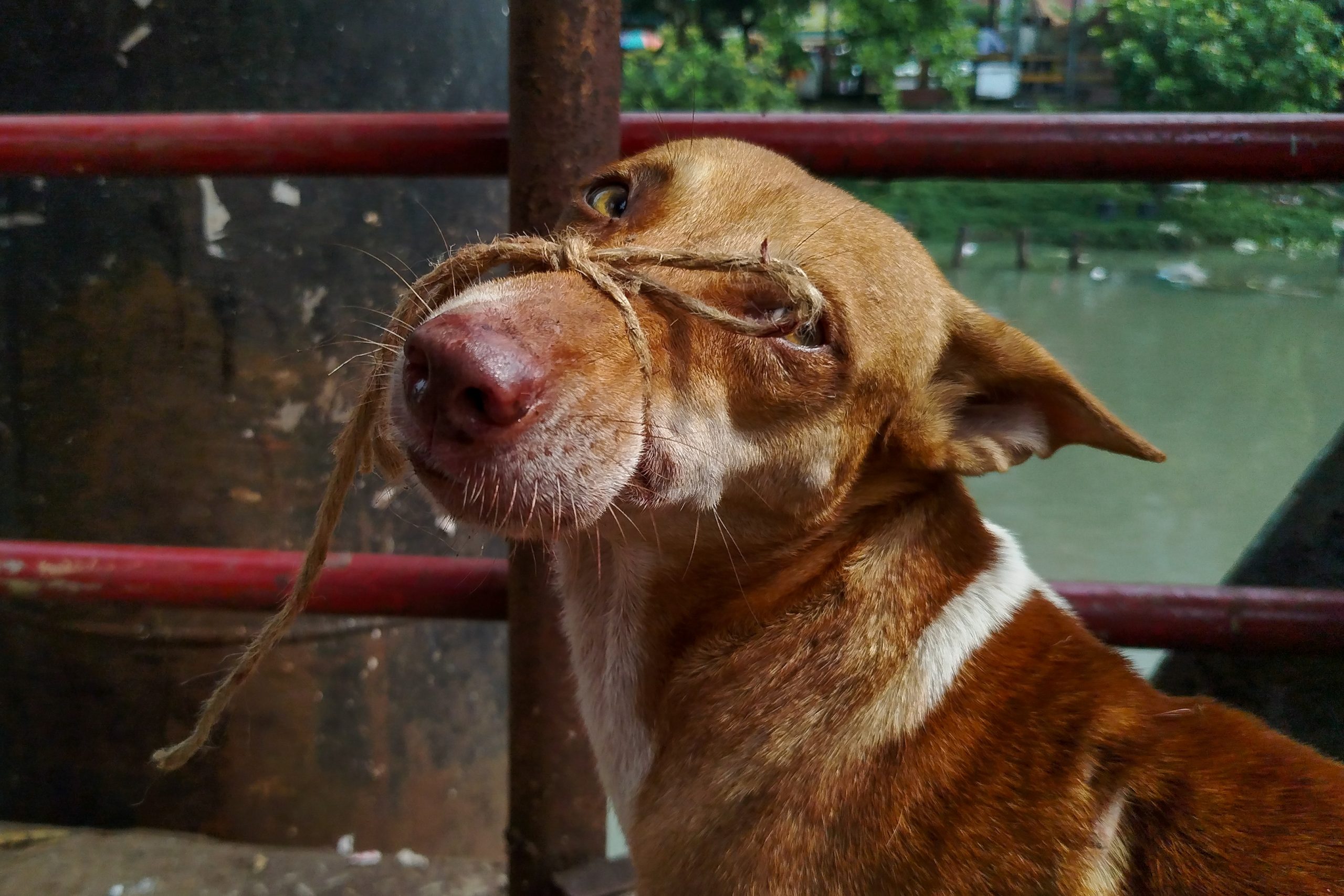
Animal welfare experts and advocates stress that culling stray dogs is not a sustainable long-term answer. They instead recommend mass rabies vaccination, sterilisation programmes, access to safe food sources, and greater public awareness to encourage peaceful coexistence between people and stray animals.
Various volunteer groups and animal welfare organisations are already providing rabies vaccinations and basic veterinary care to stray dogs across different parts of the city, arguing that regular vaccination drives play a crucial role in curbing the risk of rabies transmission.
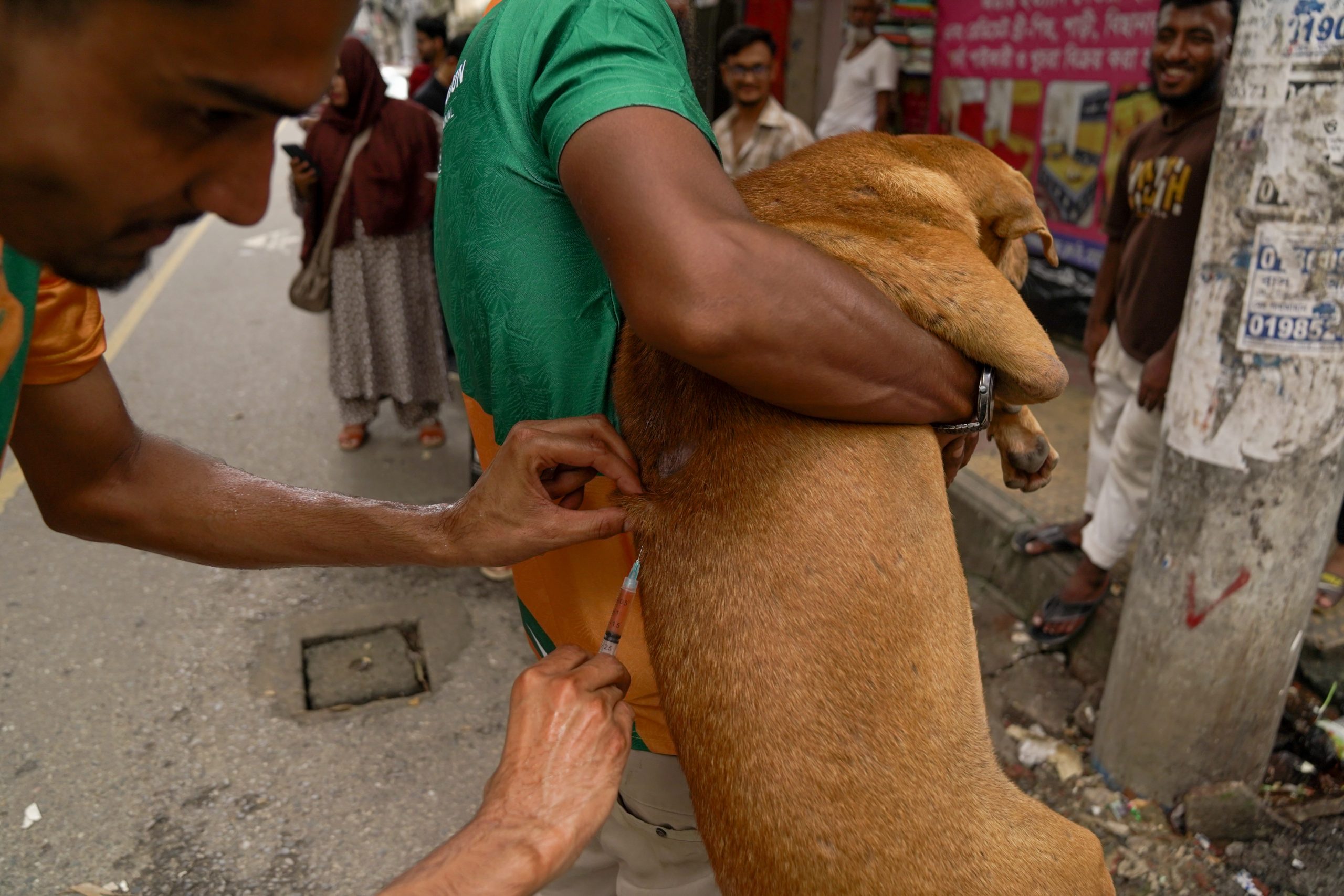
Despite the harshness of urban life, some individuals and volunteers continue to offer stray dogs food and basic care. Advocates believe such efforts do more than improve the animals’ immediate well-being; they help cultivate compassion, tolerance, and harmonious coexistence between humans and animals more broadly.
In a city that often looks away, these small acts of kindness serve as a reminder that even amid widespread neglect, some refuse to turn a blind eye. The question that remains is whether the rest of the city will follow their example.