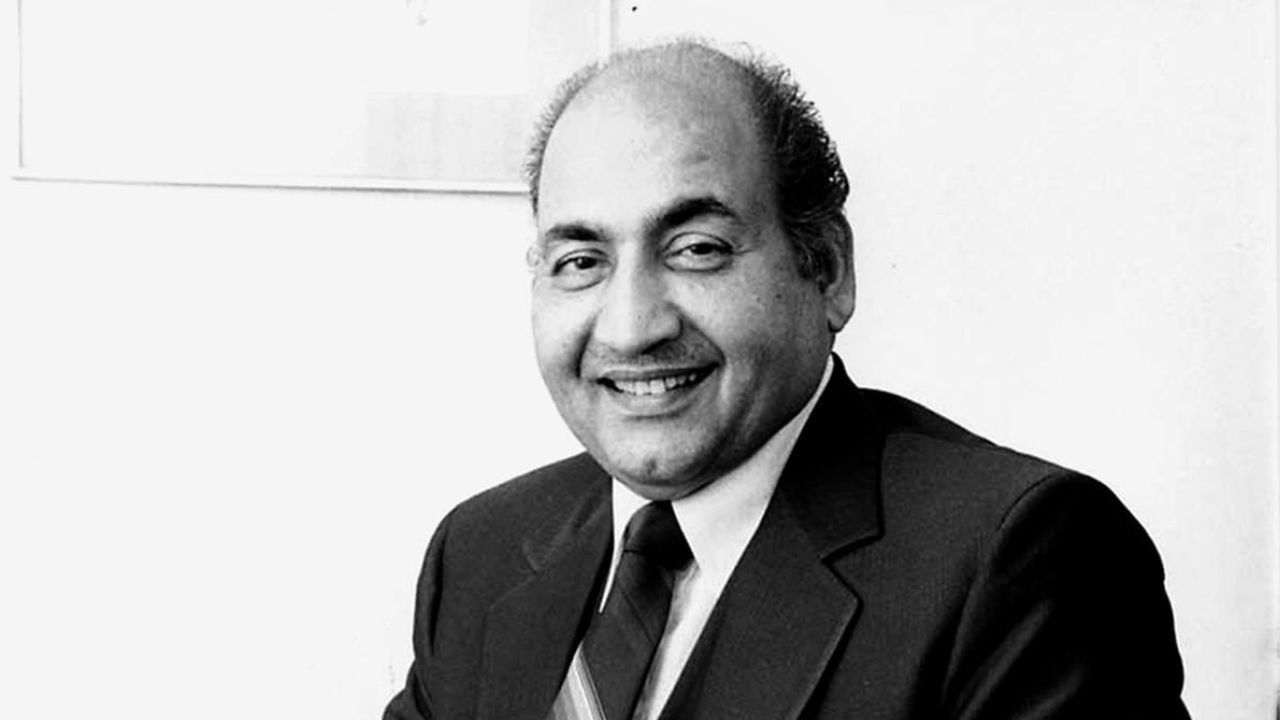



Long before playlists, streaming apps and algorithms decided what people heard, there was a voice that found its own way into every home. It drifted through crackling radios, echoed from cinema halls and travelled across borders on cassette tapes. Even today, one Mohammed Rafi song is enough to take millions back in time.
On his death anniversary, 31 July, music lovers remember not only one of Indian cinema’s greatest playback singers but also a voice that became part of everyday life across the subcontinent, including Bangladesh, where generations grew up with his songs.
Born on 24 December 1924 in Punjab, Rafi discovered music by following the melodies of a wandering fakir before training under renowned classical maestros. He shared a stage with K.L. Saigal at 13 and went on to build a career spanning nearly four decades, recording more than 25,000 songs in almost every major Indian language and several foreign languages.

Whether romance, heartbreak, devotion, patriotism, ghazals or qawwalis, Rafi sang every genre with effortless brilliance. Classics including Deewana Hua Badal, Tere Mere Sapne, Pukarta Chala Hoon Main, Likhe Jo Khat Tujhe and Kar Chale Hum Fida remain timeless. Though he never drank, his unforgettable rendition of Chhoo Lene Do Nazuk Hothon Ko perfectly captured the voice of an intoxicated man.




Rafi died of a heart attack on 31 July 1980 at the age of 55, shortly after recording a song for Laxmikant–Pyarelal. During his lifetime, he received the Padma Shri, one National Film Award and six Filmfare Awards. Later, he was named Best Singer of the Millennium and voted the Greatest Voice in Hindi Cinema.
Singer Sonu Nigam called him India’s greatest playback singer, while many of his peers affectionately knew him as the “Voice of God”.
Music has changed. Formats have changed. The way people discover songs has changed. Yet Mohammed Rafi remains one of the most listened-to Indian singers online, a remarkable feat for an artist whose last recording came more than four decades ago.
Perhaps that is because people never really listened to Rafi only with their ears. They listened with their hearts. His songs became first loves, last goodbyes, family celebrations, lonely nights and unforgettable journeys. That is why, even today, Bangladesh still hums his melodies, cinema still breathes through his voice and every generation discovers him as if hearing him for the very first time. Some singers entertain. Mohammed Rafi became a memory that continues to sing.