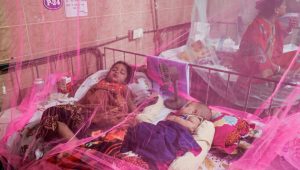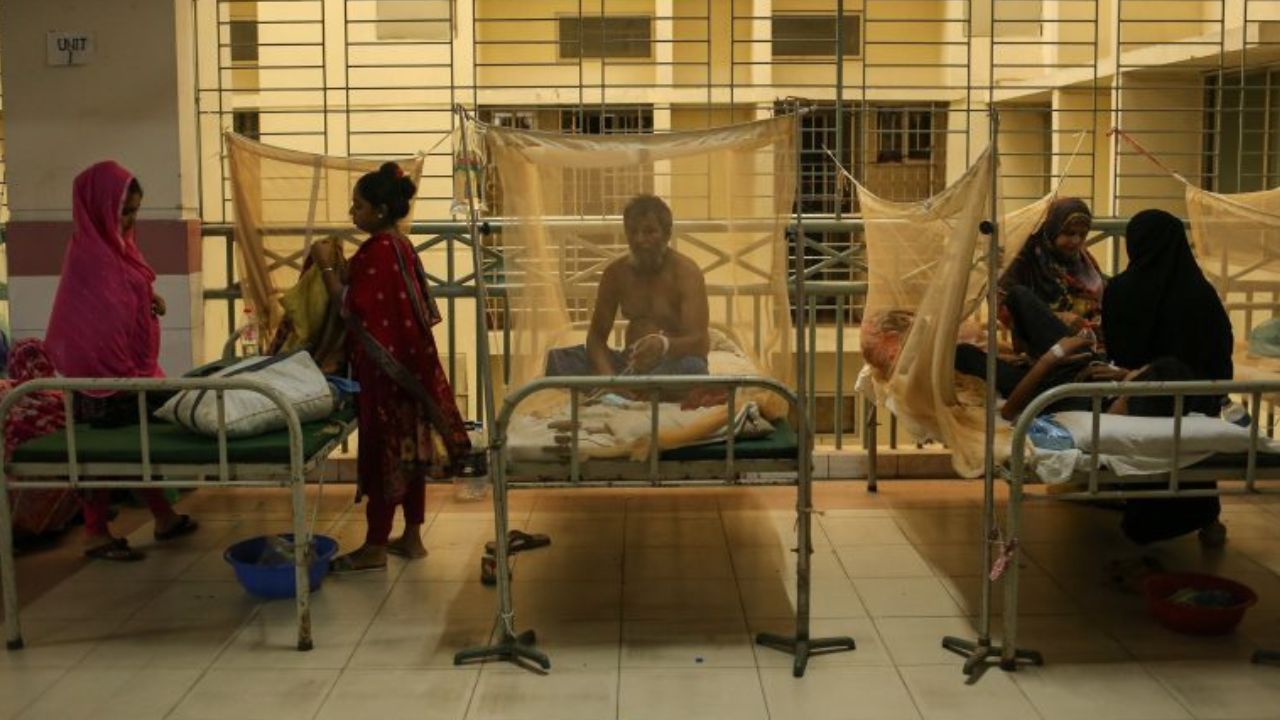

Dengue infections are rising in Bangladesh as increased rainfall create favourable conditions for Aedes mosquito breeding, prompting experts to warn of a possible surge in cases in August and September.
After remaining relatively under control during the first five months of the year, infections have increased sharply since June, raising concerns over the country’s dengue situation in the coming months.
According to the Directorate General of Health Services (DGHS), 32 people have died from dengue so far this year. A total of 9,770 dengue patients have been admitted to hospitals across the country.
An analysis of statistics from the past three years shows that dengue has become a seasonal public health crisis in Bangladesh. In 2025, 102,861 people were infected and 413 died from the disease. In 2024, there were 101,214 infections and 575 deaths. In 2023, dengue claimed 1,705 lives and 321,179 patients were hospitalised.
A statistical and area-based analysis of the dengue situation up to 17 July this year indicates an upward trend in infections. Monthly data show that the situation remained relatively under control at the beginning of the year.

After recording the highest monthly tally of 1,081 cases in January, the number of infections remained below 1,000 each month from February to May. However, the figure jumped to 2,907 in June. In just the first 17 days of July, 3,666 dengue patients have already been identified.
This means that the number of infections recorded in July has already surpassed June’s total before the month has ended. Experts say this is a clear indication that dengue infections are increasing with the onset of the Aedes mosquito breeding season.
Entomologists say there is a strong link between rainfall and the breeding of Aedes mosquitoes. According to Bangladesh Meteorological Department (BMD) data, the country received 79 per cent of its total monthly rainfall between 5 July and 12 July.



The BMD on Friday forecast rainfall across different parts of the country over the next 72 hours, including heavy to very heavy downpours in some areas.
Prof Kabirul Bashar, an entomologist at Jahangirnagar University, said the spread of dengue-carrying Aedes mosquitoes largely depends on rainfall. Rainwater accumulating in containers and water-holding sites creates favourable conditions for mosquito breeding.
Prof Bashar said that, according to his forecasting model, dengue infections may increase further in August and September. The prediction is based on analyses of rainfall, temperature, humidity, Aedes mosquito density and the number of dengue patients.
Medical professionals say the risk of dengue is currently increasing. If waterlogging occurs, mosquito breeding may intensify further, making the dengue situation more concerning.
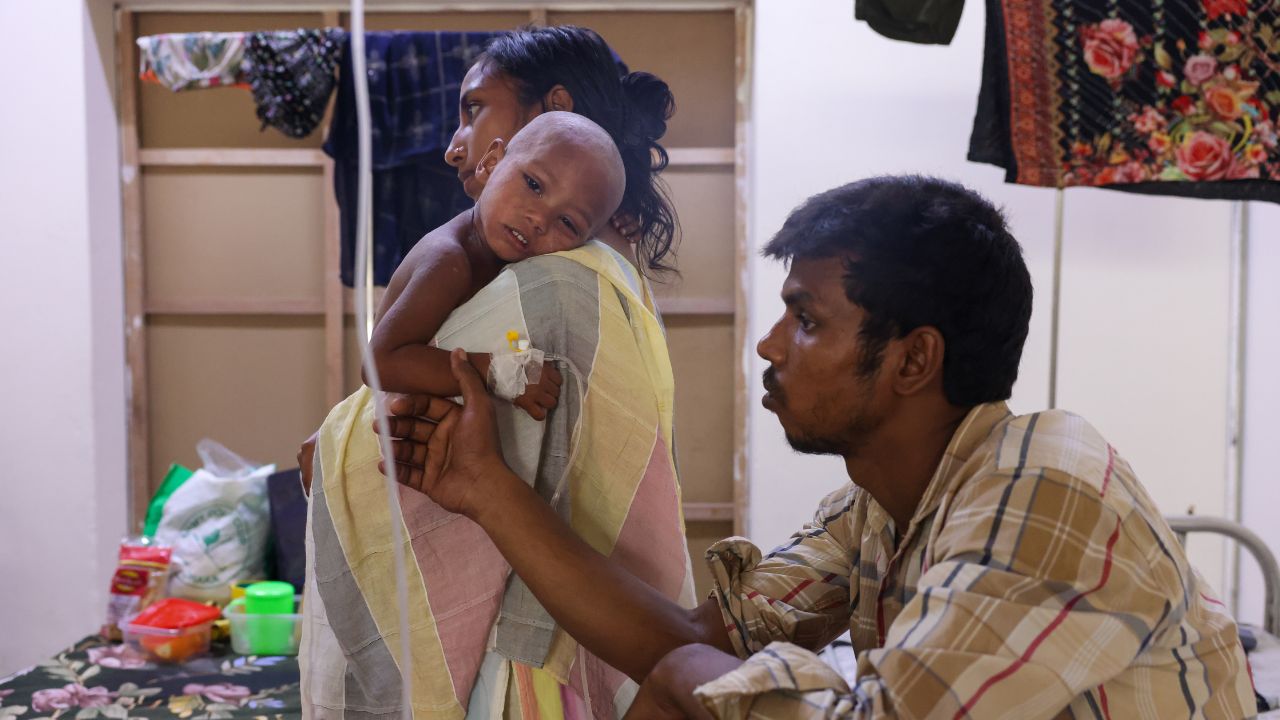
Prof Dr Atiqul Islam, who is in charge of the dengue ward at Bangladesh Shishu Hospital, said, “The risk of death from dengue is comparatively low if patients are diagnosed in time and receive appropriate treatment.
“However, complications may develop if treatment is delayed. On the other hand, children suffering from complications such as pneumonia after measles may deteriorate rapidly.”
He said timely treatment is crucial for dengue patients. If symptoms such as fever accompanied by body aches, vomiting, severe weakness or bleeding appear, medical advice should be sought immediately.
He also warned that children’s conditions may worsen rapidly and advised extra vigilance in their cases.
Public health experts say that eliminating waterlogging, destroying mosquito breeding sites and ensuring the rapid identification and treatment of patients will be the most important measures to control the dengue situation in the coming months.
Mohammad Mushtuq Husain, public health expert and former principal scientific officer at the Institute of Epidemiology, Disease Control and Research (IEDCR), said that prolonged water stagnation in waterlogged areas increases Aedes mosquito breeding, thereby raising the risk of dengue.
He said, “Wherever water remains stagnant, the risk of dengue will remain.”
He also stressed the need to use larvicides in waterlogged areas, carry out prompt clean-up operations and implement effective mosquito control measures.