
The proposed Teesta Mega Plan includes 110km riverbank protection, 110km dredging, 224km flood control embankments with roads, and land reclamation initiativesto ensure sustainable management of the river, Water Resources Minister Md Shahiduddin Chowdhury Anee told Parliament on Tuesday.
He said the plan also includes the construction and repair of 67 groynes and spurs, along with the development of 170 square kilometres of reclaimed land.
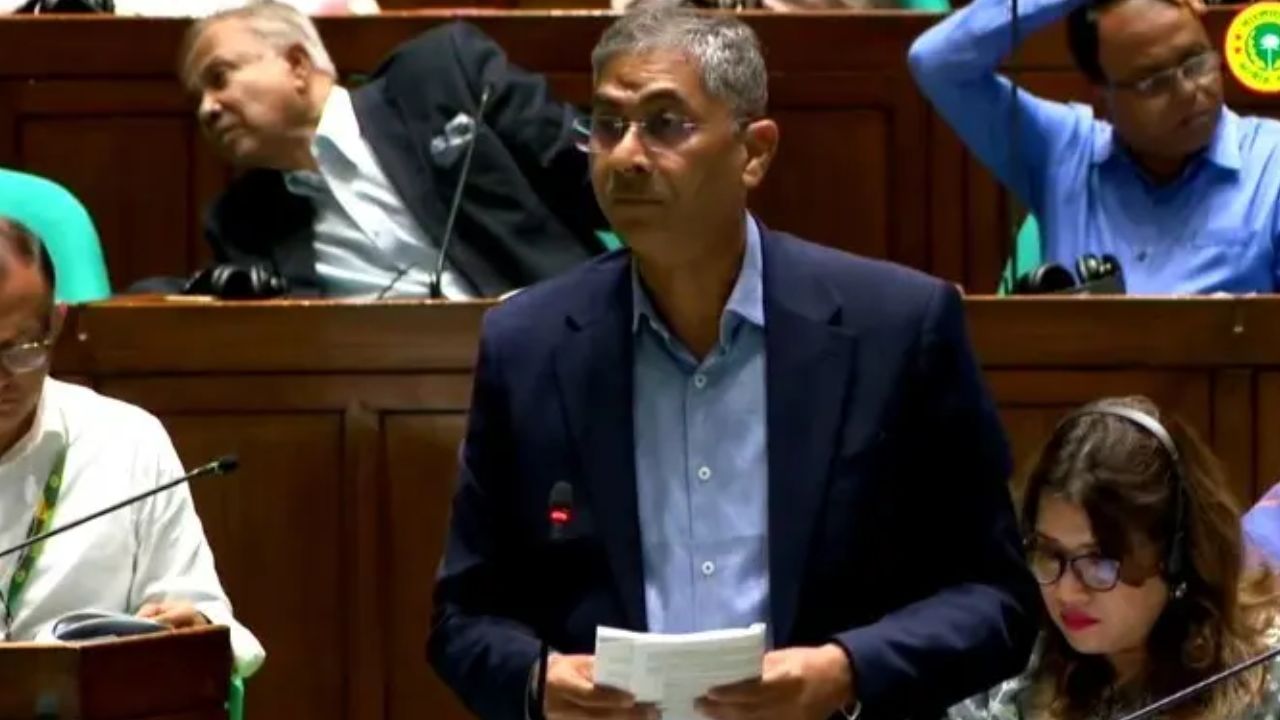
The minister shared the details while responding to a written question from lawmaker Md Raihan Siraji during the question-answer session of the Parliament’s budget session. Speaker Hafiz Uddin Ahmad chaired the sitting.

The minister said the Teesta River is crucial to the lives and livelihoods of people in the northern districts.
However, reduced water flow during the dry season due to various upstream constraints, including dams, has disrupted the Teesta Irrigation Project and agricultural activities.
He said the river also creates severe challenges during the monsoon as excessive upstream rainfall often triggers sudden floods and river erosion.




The minister said riverbank protection works covering 42.17 kilometres have already been completed in five Teesta basin districts – Rangpur, Nilphamari, Kurigram, Gaibandha and Lalmonirhat – at a cost of Tk222.23 crore during the 2024-25 and 2025-26 fiscal years.
He said a survey for a sustainable and integrated development plan centred on the Teesta River has already been completed, and the technical and financial aspects of the proposed project are now under review.
According to the survey report, implementation of the mega plan would help conserve water during the dry season, expand irrigation facilities, increase agricultural production and support crop diversification.
The project is also expected to improve infrastructure in riverine areas through the construction of roads, bridges and embankments, create employment opportunities, reduce poverty, and enhance prospects for river transport and regional trade.
The minister said the project, once implemented, would contribute to sustainable and coordinated development in the northern region.