Across South Africa, thousands of foreign nationals are packing their belongings, abandoning businesses and saying hurried goodbyes.
It’s not because the government ordered them to leave, but because they fear what might happen if they stay after June 30. The date, declared by anti-migrant groups rather than the state, has become a powerful symbol of rising xenophobia in Africa’s most industrialised economy.
For weeks, anti-immigration activists have staged marches demanding the deportation of undocumented migrants, accusing them of taking jobs, increasing crime and straining public services.
Although South African authorities have repeatedly stressed that no official June 30 ultimatum exists and have condemned vigilante action, fear has spread far faster than official reassurances.

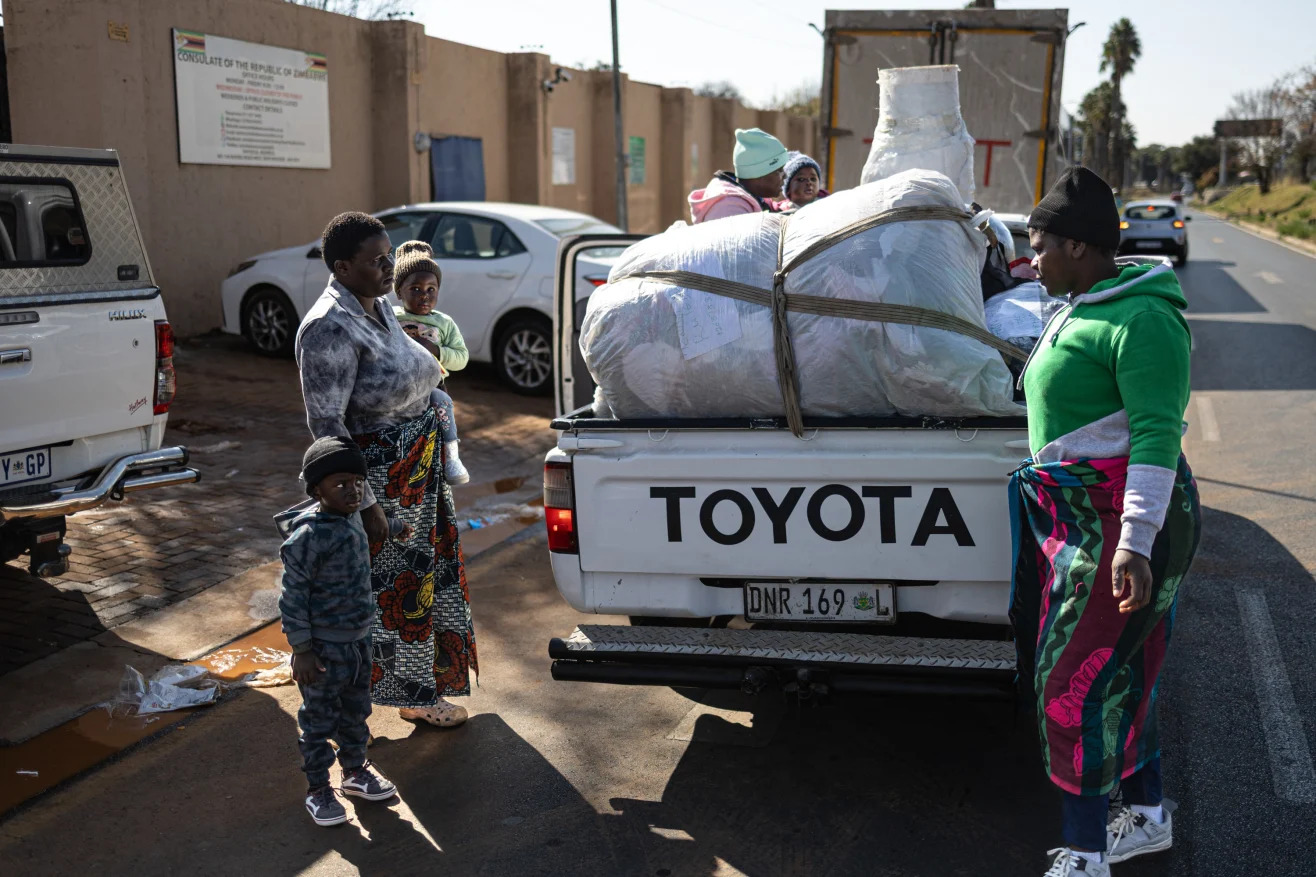
The consequences are visible across the country. Families from Malawi, Zimbabwe, Ghana, Nigeria and Mozambique have queued outside embassies and consulates, hoping to secure transport home.
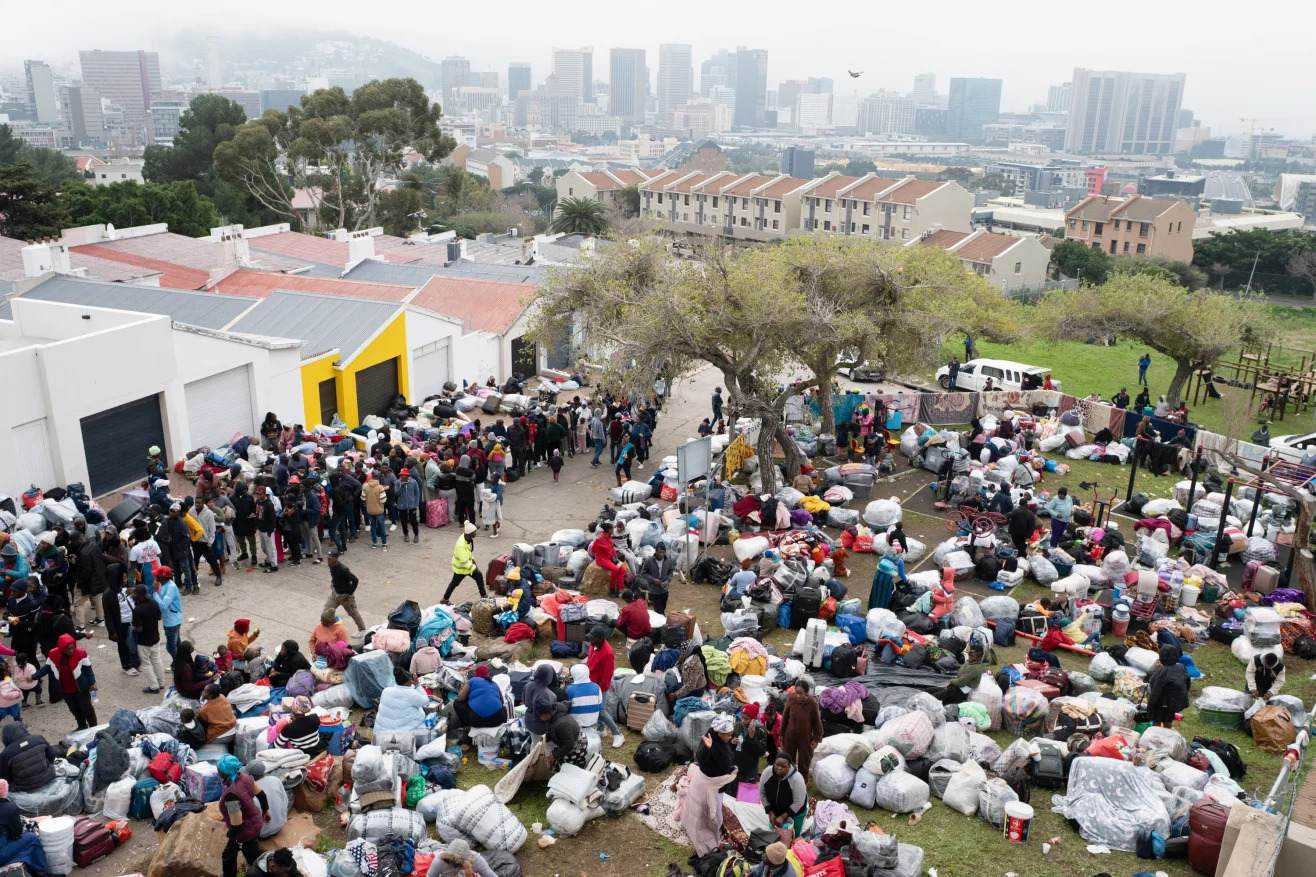
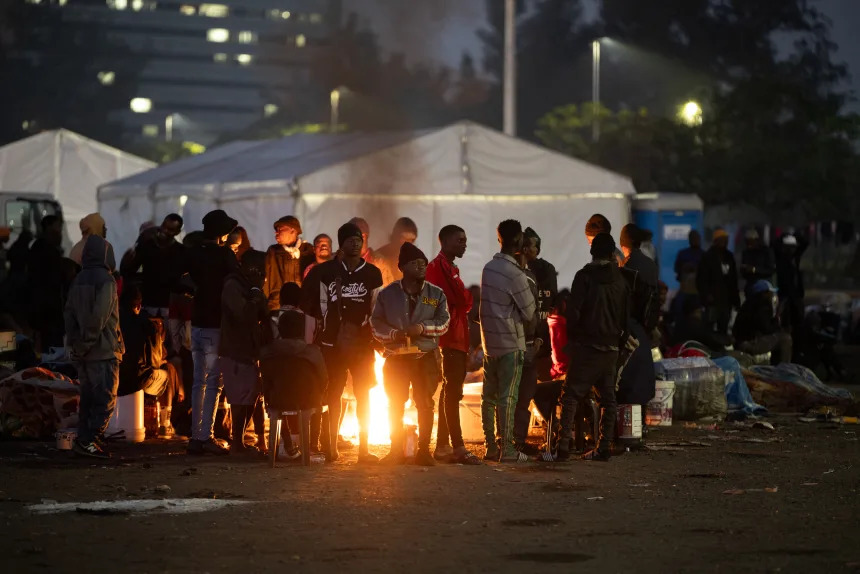
Others have sought refuge in temporary shelters after their homes or businesses were attacked. Several governments have already begun repatriation efforts as thousands request assistance to leave.




South Africa’s frustrations are rooted in genuine economic hardship. The country faces unemployment above 30 per cent, persistent inequality and failing public services.
Migrants, many of whom work in low-paid sectors that struggle to attract local workers, have increasingly become convenient scapegoats for problems with far deeper structural causes.
Analysts warn that economic anxiety, combined with inflammatory rhetoric, has once again revived a dangerous cycle of violence seen in previous outbreaks in 2008, 2015 and 2019.
President Cyril Ramaphosa has promised that security forces will prevent unrest and insists that only the state has the authority to enforce immigration laws.

Yet for many migrants, confidence has already vanished. Threats, intimidation and isolated attacks have convinced thousands that waiting for official protection is simply too great a risk.
Whether, today, June 30 passes peacefully or not, the exodus reveals a painful truth: fear alone can move people across borders, even without a single government order.