Bangladesh has applied for a new assistance programme from the International Monetary Fund (IMF) as the country’s economy reels from the impact of the Iran war, reports Al Jazeera.
IMF’s Bangladesh mission chief, Ivo Krznar, said, “IMF staff are discussing the authorities’ reform plans and policy priorities.”
“To ensure sustainable macroeconomic and financial stability, build resilience and support strong and inclusive growth, the IMF is committed to standing by Bangladesh,” he told Al Jazeera on Tuesday.
What has Bangladesh asked for?
The size of the support package has not yet been determined. In March, however, the government said it was seeking $2 billion in loans from various donors to tackle the energy crisis triggered by the war.
Since US and Israeli strikes on Iran on 28 February, global energy markets have been severely disrupted. Oil prices have surged to nearly $100 a barrel, up from about $66 before the war. The Strait of Hormuz — through which one‑fifth of the world’s oil and gas normally passes — remains under Iranian control, while US forces maintain a naval blockade of Iranian ports.

Bangladesh, a nation of 170 million, imports 95 per cent of its oil and liquefied natural gas, mostly from the Middle East. Demand rises further during the summer months.
To cope, the government has shut down fertiliser factories and raised fuel prices by 10–15 per cent on 19 April. Petrol rose from $0.95 to $1.10 per litre, with diesel and kerosene also increasing.



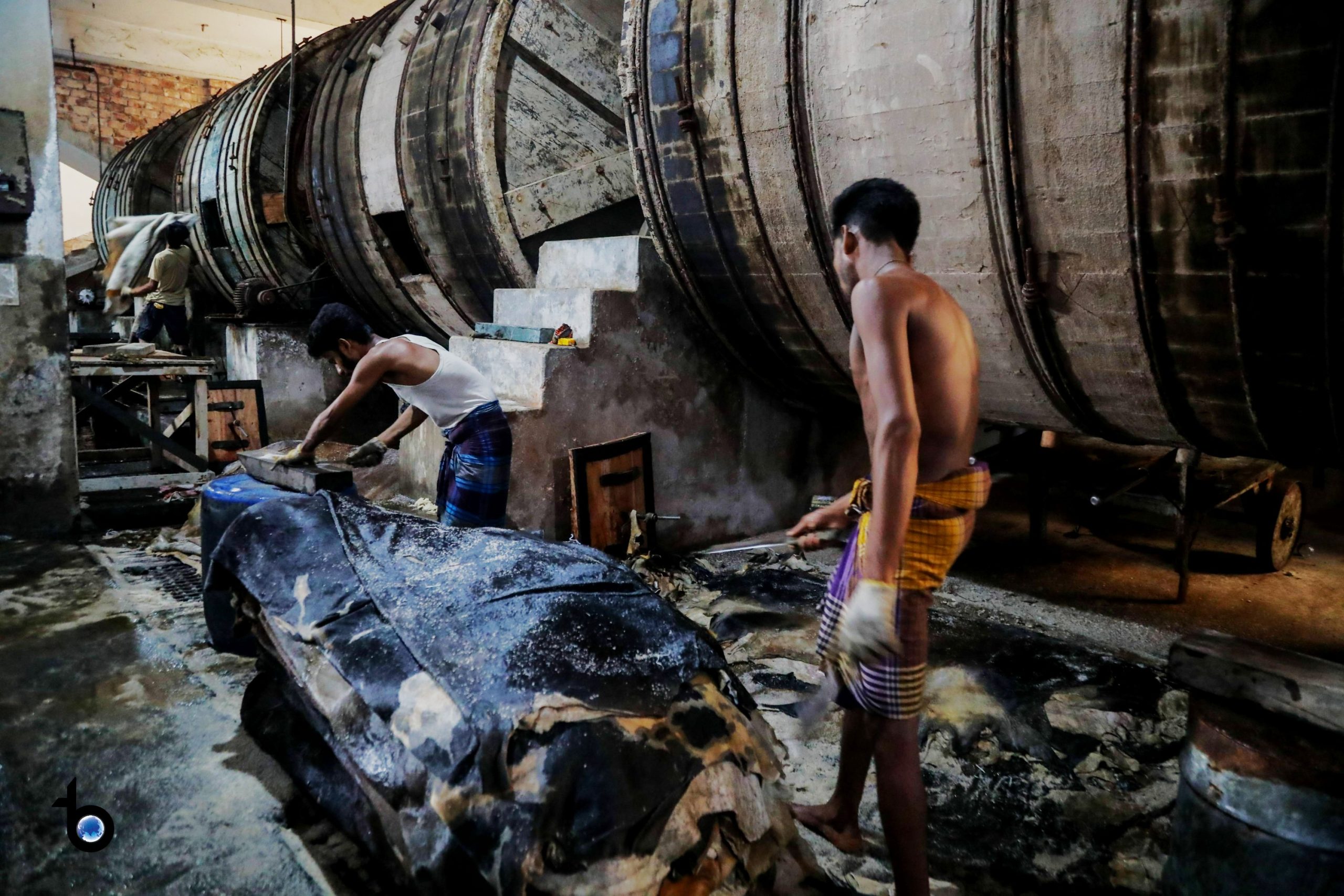
More than 80 per cent of Bangladesh’s export earnings come from ready‑made garments, a sector now under strain. Factories source much of their raw material from China via the Red Sea and Middle East routes, where shipping has been disrupted, driving up import costs.
Said Ahmed Chowdhury, director of Square Denim, told The Financial Express that orders could fall by 20–25 per cent in the coming season. Flight cancellations in March further disrupted supply chains, leaving shipments for major retailers such as Zara’s parent company Inditex stuck at airports in Bangladesh and India.
Other industries have also been hit. Prices of plastic raw materials have climbed as crude oil costs rise. Resin, previously $900–950 per tonne, now sells for $1,500–1,600.
Bangladesh’s foreign debt has been rising in recent years due to infrastructure investments and efforts to stabilise the balance of payments. By December, external debt stood at $113.5 billion, up from $112.2 billion the previous quarter.
Bangladesh’s history with the IMF
Bangladesh is already in the middle of a $5.7 billion IMF programme launched in 2023, set to run for four years. Last week, Finance and Planning Minister Amir Khusru Mahmud Chowdhury held a virtual meeting with IMF Deputy Managing Director Nigel Clarke, where both sides agreed to expedite a new programme.
The World Bank has also approved a $350 million loan to help Bangladesh manage the energy crisis caused by the Iran war.
In April, the IMF warned that the Iran war could further inflate global debt. Its report noted that last year public debt worldwide reached about 94 per cent of global GDP and could exceed 100 per cent by 2029, the highest level since World War II.
Is the debt crisis worsening due to war?
Even before the Iran war began, many countries across Africa, Asia, Latin America, the Caribbean, the Pacific region and Central Europe were already struggling under the weight of heavy foreign debt.
The COVID‑19 pandemic, climate‑related disasters, soaring food and energy prices, and rising global interest rates had pushed these nations into crisis.
Sri Lanka offers a stark example. In 2022, its economy collapsed under the strain of debt and weak financial management. By 2023, the country secured $3 billion in assistance from the International Monetary Fund (IMF). It also reached debt restructuring agreements with creditor nations including China, India and Japan.