
Bangladesh imports around $95 million worth of products annually that could potentially be produced from its own tannery waste, but weak compliance, limited infrastructure and financing barriers are preventing the sector from developing into a commercial industry.
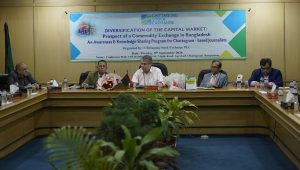
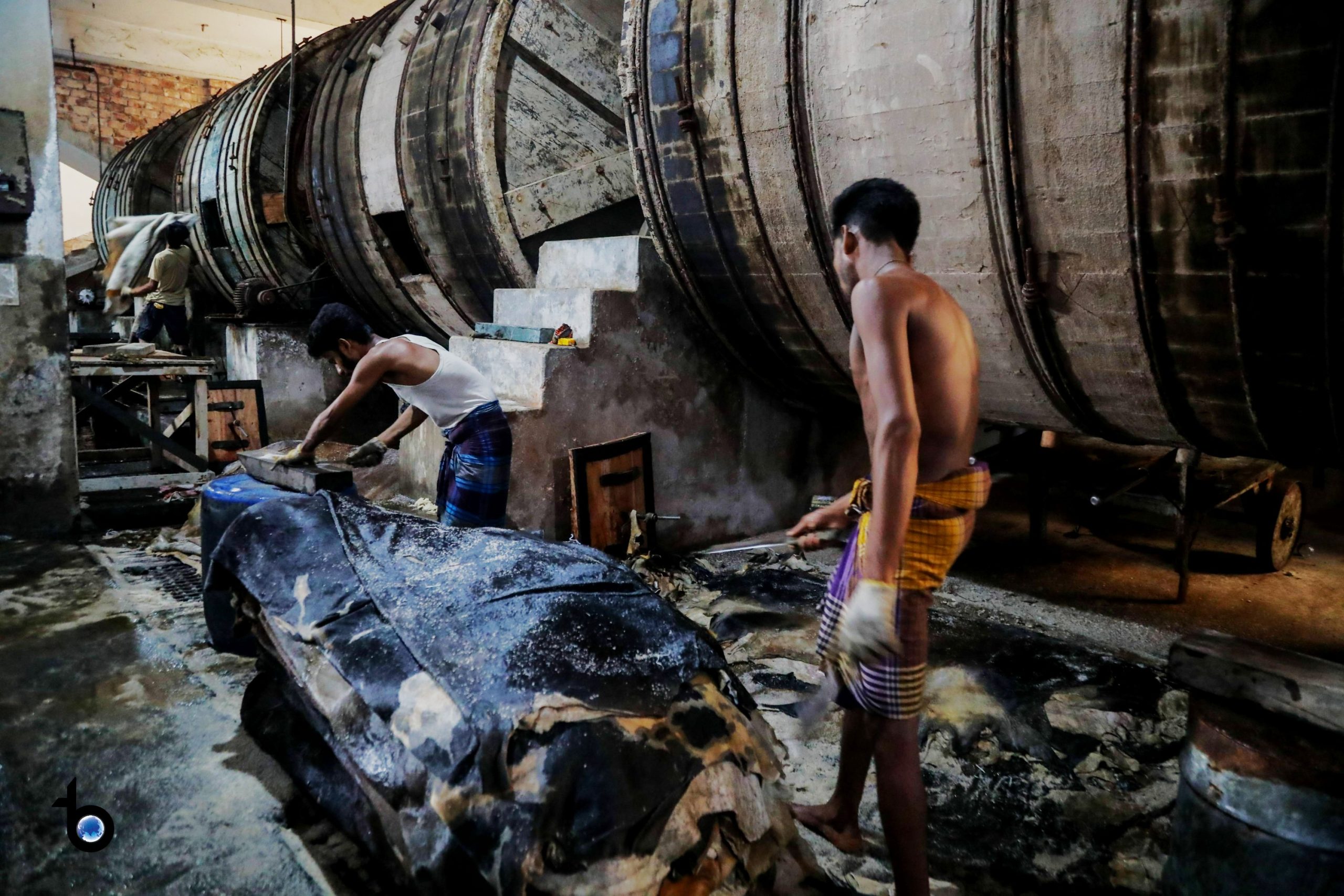
The country’s tannery sector generates around 230 tonnes of solid waste daily at the Savar Tannery Industrial Estate, including materials that can be converted into industrial gelatin, protein meal, leatherboard and bio-fertilisers, according to a policy paper presented at a meeting of the SME Development Working Committee of Business Initiative Leading Development (BUILD).
The paper, prepared by BUILD in partnership with The Asia Foundation, said global trade in 11 identified tannery waste-based products is worth around $1 trillion, highlighting the scale of the opportunity.
The waste consists of 60–70 per cent chrome-free pre-tanning waste and 30–40 per cent chrome-bearing tanned waste. However, informal collection, lack of segregation at source and regulatory bottlenecks have limited commercial use.

The study recommended recognising tannery waste-based products under the National Industrial Policy, simplifying environmental approvals for small processors, introducing waste segregation standards and providing green financing and certification support.
Industries Ministry Secretary Abdun Naser Khan said the government was working to improve compliance in the leather sector ahead of Bangladesh’s LDC graduation. He said steps were being taken to address problems at the Common Effluent Treatment Plant of the Savar Tannery Industrial Estate.




Chittagong Chamber of Commerce and Industry President Mohammed Amirul Haque said Savar needed a waste treatment facility similar to those available in economic zones. “Since the economic zone already has a Common Effluent Treatment Plant in place, a similar facility needs to be developed in Savar as well,” he said.
The opportunity comes as the leather sector itself faces pressure. Tannery Workers Union President Abul Kalam Azad said around 155 factories operate in the sector, but only a limited number remain active due to business losses, job cuts and unresolved compliance issues.
“Waste-to-product is becoming a popular idea globally, and Bangladesh needs to grab the opportunity,” said Amir Humayun Mahmud Chowdhury, former president of Chittagong Chamber of Commerce and Industry. He called for easier access to finance for tannery businesses.
Dhaka Tannery Industrial Estate Wastage Treatment Plant Company Limited Managing Director Md Golam Shahnewaz said materials such as fleshing, sludge and shaving dust had significant commercial potential.
He said a Chinese company had demonstrated products including gelatin, glue and capsules from tannery waste, but Bangladesh needed policy support, land and environmental facilities to develop similar businesses.
Bangladesh Bank Additional Director Md Mahbubur Rahaman said tannery waste entrepreneurs could access the Tk2,000 crore refinancing scheme and the Tk3,000 crore cluster development fund. He said the central bank was considering simplifying documentation requirements.
Commerce Ministry Business Promotion Council Director Mohammad Razzaqul Islam said the commerce and industries ministries were jointly preparing a leather sector roadmap. He said Bangladeshi leather products often sell at lower prices in premium markets such as the United States and European Union due to weak certification systems.
For Bangladesh, the challenge is no longer only managing tannery waste, but building a compliant industrial ecosystem around a resource that is currently being lost.