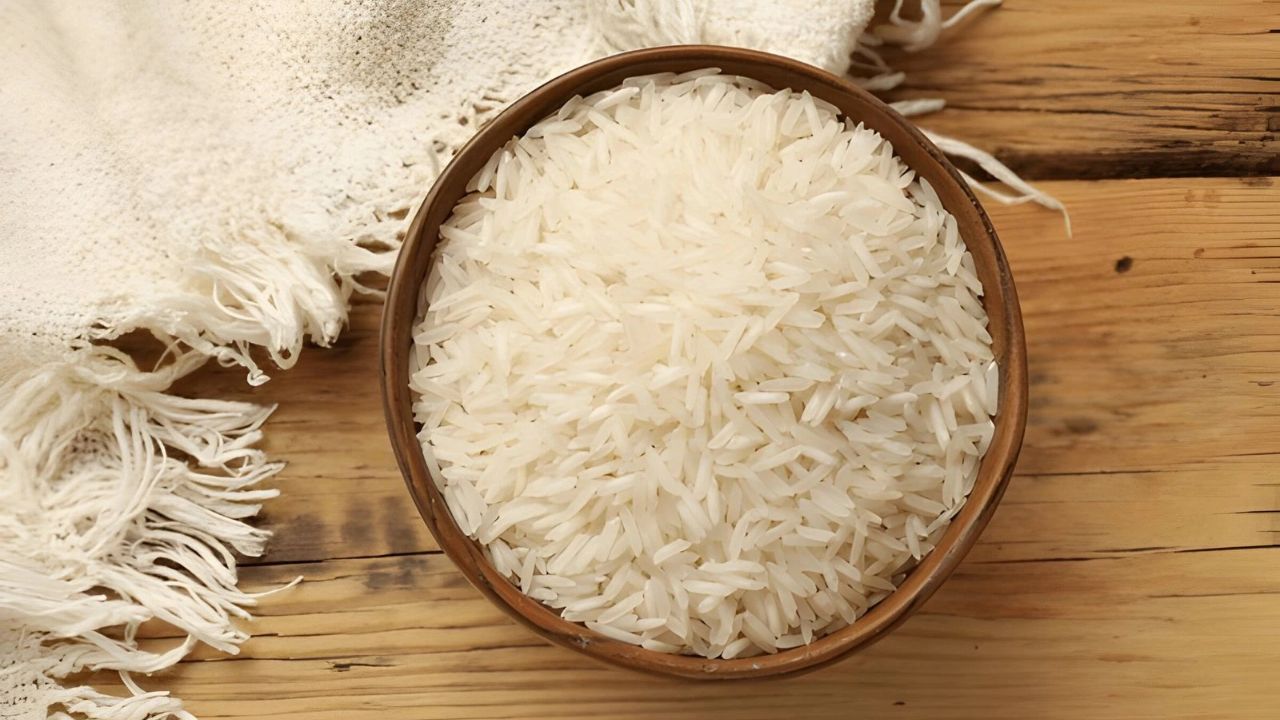

The government has reduced the approved quota for exporting fragrant rice by 50 per cent to maintain normal supply in the domestic market, ensure food security, and control potential market price pressures.
Through a notification issued by the Ministry of Commerce (Export-2 branch), allocated export quantity of fragrant rice for 278 previously approved institutions has been halved.
This revised allocation comes into effect immediately, with the validity of the approval set to remain in force until 31 December.
As a result of this decision, exporters, ranging from large food processing companies to medium and small-scale enterprises, will not be allowed to export more than half of their previously approved quantities of fragrant rice.

Mandatory conditions
Alongside the quota reduction, the Ministry of Commerce has imposed 10 mandatory conditions aimed at ensuring monitoring, accountability, and the repatriation of foreign exchange in export activities.
The conditions are –



- The provisions of the Export Policy 2024–27 must be properly followed.
- The relevant approval will remain effective until 31 December this year.
- The customs authorities will verify the quality and authenticity of the goods prior to the export of each shipment.
- Relevant documents must be submitted to the Ministry of Commerce (Export-2 branch) after the shipment of each consignment.
- In the event of applying for new export approvals in the future, full details and proof of actual exports against the previously approved quota must be provided.
- Rice exports must not, under any circumstances, exceed the revised approved quantity.
- To protect the price of the product in the international market, the minimum FOB export price has been set at $1.60 per kilogramme.
- The approval is completely non-transferable, and exports cannot be executed through sub-contracts or other organisations.
- The government reserves the right to cancel the approval at any time in public interest without showing cause.
- Exporters must submit a Proceeds Realization Certificate (PRC) as mandatory proof of repatriating export earnings into the country.
Previously, the Ministry of Commerce had granted permission for the export of 45,270 metric tonnes of fragrant rice to 278 institutions across two phases.
Up to 30 August, a total of 129 institutions had successfully exported 2,419 metric tonnes of fragrant rice under these allocations.
Prioritising domestic stability
The government’s policy stance underscores that while earning foreign currency from exports is crucial, priority must be given to domestic market supply and price stability for food items.
Consequently, the approved export quota was halved, and stringent rules were placed on price, volume, documentation, and foreign exchange repatriation.
Under the new framework, exporters must carry out their activities within the newly set limits and provide a comprehensive account of their past exports to qualify for any future approvals.
Relevant quarters believe these measures will tighten control over fragrant rice exports while bolstering transparency and accountability in overall export management.
The primary objective of the government’s initiative is not to completely halt exports, but rather to conduct fragrant rice exports in a controlled and sustainable manner, balancing national food security with market stability.