
Bangladesh’s tariff protection regime is making production more expensive at a time when exporters need to become more competitive, according to a World Bank analysis.
The country’s average customs duty was 7 per cent in FY2026, but actual protection on imports rose to 15.4 per cent after regulatory duties and supplementary duties were added. These additional charges, known as para-tariffs, have become the main source of protection at the border.
The impact extends beyond importers. Businesses dependent on imported raw materials, machinery and components now face higher costs, making locally produced goods less competitive, particularly in export markets.
The issue has gained urgency as Bangladesh prepares to graduate from least developed country (LDC) status on 24 November 2026, a transition expected to reduce some trade advantages the country currently enjoys. The government has sought a deferral of at least three years.
The findings were presented at a workshop titled “Bangladesh Trade Policy at a Crossroads: Evidence for the National Tariff Policy, LDC Graduation, and the Next Generation of Trade Agreements”, organised by the Policy Research Institute of Bangladesh (PRI) and the World Bank in Dhaka on Tuesday. The World Bank said that while protection may have supported domestic industries in the past, the current system is raising costs for businesses seeking to compete globally.

The cost of protection
The burden is highest in sectors with greater protection. Footwear faces a 25 per cent most-favoured-nation (MFN) tariff, the standard customs duty applied to imports, but total protection rises to 70.4 per cent after additional duties are included.
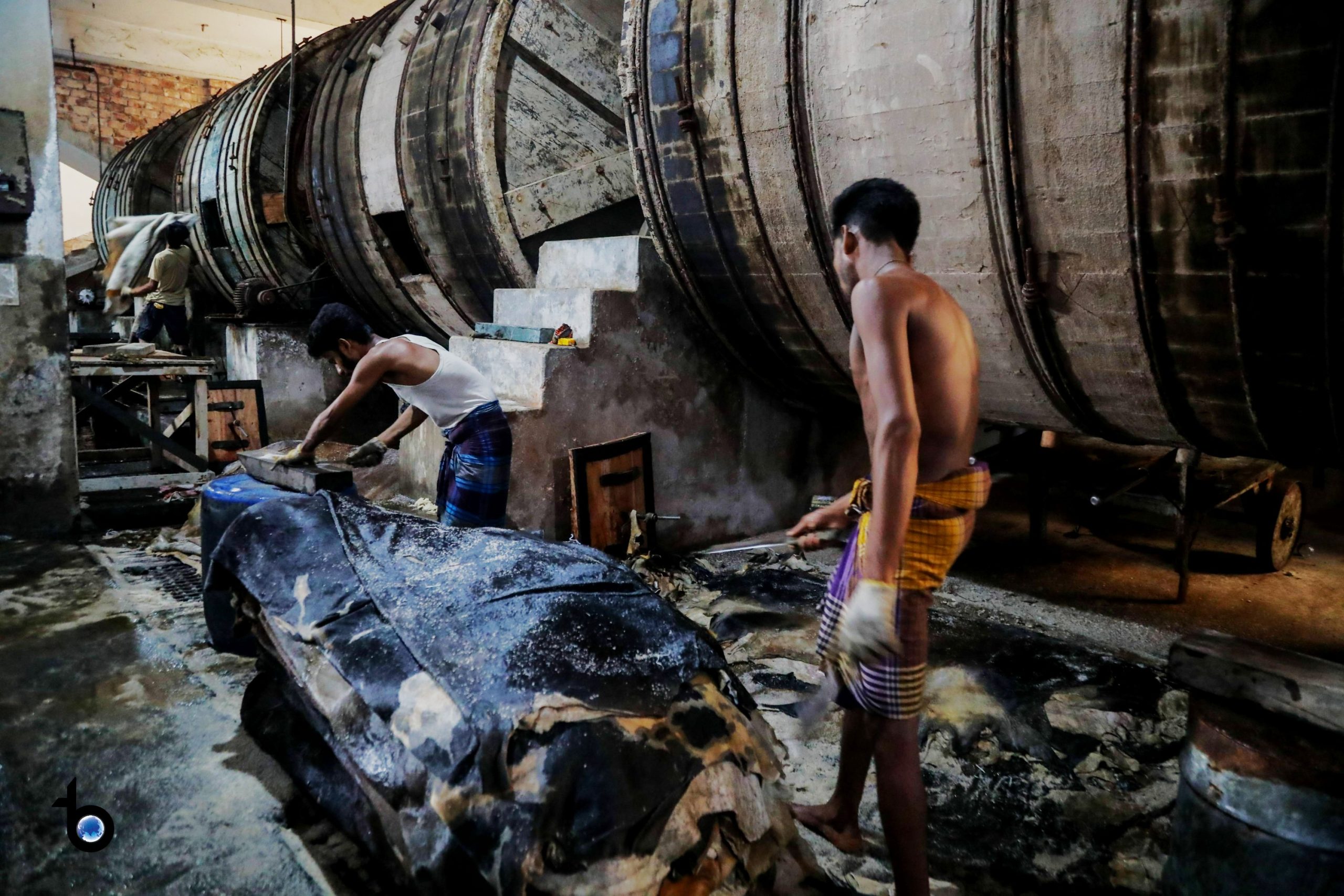
Hides and skins face 67.1 per cent protection, stone and glass 45.6 per cent and transportation equipment 36.1 per cent. The World Bank found that para-tariffs add between 20 and 45 percentage points to tariff rates in sectors including footwear, hides and skins, stone and glass and transportation equipment.
For manufacturers, higher import costs raise input prices before production begins, squeezing margins or forcing companies to charge higher prices. Exporters face greater pressure because they compete with producers from countries where costs may be lower and cannot easily pass additional costs on to international buyers.



Economists describe this as an “anti-export bias” — a system that makes selling in the domestic market more attractive than competing abroad. PRI Chairman Zaidi Sattar said Bangladesh’s high protection regime had made exporting outside the ready-made garment sector less profitable than selling locally.
The cost of delaying reform
The main argument against tariff reform has been the possible impact on government revenue. The World Bank estimates that completely removing customs duties and para-tariffs could reduce import tax revenue by 40.8 per cent, equivalent to 0.83 percentage points of gross domestic product (GDP).
However, the bank’s modelling suggests that delaying reform could carry a larger economic cost. If Bangladesh remains passive after LDC graduation, real GDP could decline by 0.21 per cent, exports by 2.48 per cent and real income by 1.09 per cent.
The pressure will increase as competitors secure better market access. Under a trade diversion scenario, the World Bank estimates that India could gain $11.8 billion and Vietnam $1.4 billion in exports to the European Union, while Bangladesh could lose $221 million. The affected sectors include apparel, leather, textiles and processed food.
By contrast, a deeper free trade agreement strategy combined with reductions in non-tariff barriers — rules and procedures that make trade more difficult — could raise real GDP by 0.73 per cent, equivalent to around $3.2 billion.
Reform without disruption
Economists and business leaders called for gradual and predictable reform rather than a sudden removal of protection.
The World Bank recommended reducing tariffs on intermediate goods — imported raw materials and components used in production — while also lowering protection on highly protected consumer goods.
However, it warned that cutting only input tariffs would not solve the problem. “Targeting only intermediates would leave the anti-export bias in place and could worsen it,” the World Bank said, arguing that lower input costs must be matched with lower protection for finished products.
The bank recommended a multi-year plan to phase out regulatory duties and supplementary duties and move towards a more transparent tariff structure. PRI Distinguished Fellow Ahsan H Mansur argued that Bangladesh should take a more ambitious approach to reform.
“I don’t think trade policy alone can change Bangladesh’s position; it is part of a bigger picture. If we eliminate all customs duties in a phased manner over five years, what would happen?
“Nothing! We may lose $3 billion, but what is $3 billion for Bangladesh, a country with a $400-500 billion economy?” he said.
Business leaders said tariff reform must be supported by improvements in the broader business environment. FBCCI Administrator Md Fazlul Hoque said high tariffs and administrative measures alone cannot protect industries and must be complemented by efforts to improve productivity, competitiveness and the business environment.