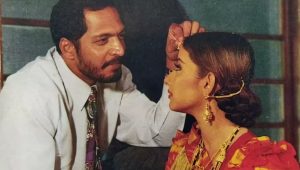
The first funeral prayer of veteran theatre personality Ataur Rahman was held on Tuesday in front of his residence at Ispahani Century Arcade in Moghbazar, where members of Bangladesh’s cultural community gathered to pay their respects.
Ataur Rahman, widely known as ‘Mancha Sarathi’, died late Monday night at a hospital in the capital after remaining on life support for 10 consecutive days. He was 84.
The funeral prayer was held after Zuhr prayers and led by his younger brother Abu Noman Mamudur. Theatre personalities including Mamunur Rashid, Zahid Hasan, Nasir Uddin Yusuf and Gazi Raqayet attended the ceremony.
Kamal Bayezid, General Secretary of the Bangladesh Group Theatre Federation, said the late cultural figure’s body would be kept at the Central Shaheed Minar from 3:00 pm to 5:00 pm for members of the public to pay their final respects.

He will later be buried at Banani Graveyard following a second funeral prayer after Asr prayers.
According to his family, Ataur Rahman will be laid to rest beside his mother’s grave. His daughter Sharmistha Rahman confirmed the decision.




Family members said his condition deteriorated after he suffered a fall at home on 1 May. He was first taken to a hospital in Gulshan before being transferred to another hospital in Dhanmondi due to the absence of intensive care unit facilities.
Although life support was briefly removed last Saturday following temporary improvement in his condition, he was later placed back on ventilation after his health worsened again. Doctors declared him dead after life support was removed on Monday night.
Born in Noakhali on June 18, 1941, Ataur Rahman was regarded as one of the pioneers of Bangladesh’s post-independence theatre movement.
A postgraduate in soil science from the University of Dhaka, he was among the founders of the civic theatre movement and began his directing career in 1972 with Michael Madhusudan Dutta’s play ‘Buro Shaliker Ghare Ron’.
Over his long career, he directed numerous acclaimed productions including ‘Godur Protikhai’, ‘Galileo’, ‘Raktakarabi’, ‘Ekhon Dusshomoy’, ‘Opekkhoman’, ‘Payer Awaz Pawa Jay’, ‘Macbeth’, ‘Narigon’ and ‘Rudro Robi’ and ‘Jallianwala Bagh’.
Alongside theatre, he was also active as a writer, teacher and cultural organiser. His published books include ‘Mancha Sarathir Kabbokotha’, ‘Natok Korte Hole’, Nattoprobondho Bichitra’ and ‘Lekohni’.
He was associated for many years with the Bangladesh Group Theatre Federation, Sammilita Sangskritik Jote and the International Theatre Institute.
Ataur Rahman received both the Ekushey Padak and the Swadhinata Puraskar in recognition of his contribution to Bangladesh’s theatre and cultural landscape.