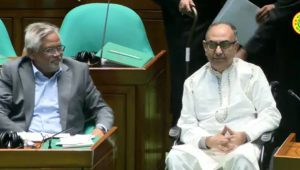
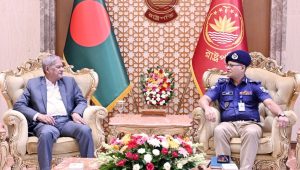
International Crisis Group on Thursday said Bangladesh’s newly elected government faces a “daunting set of challenges,” adding that how the BNP manages competing pressures will shape the country’s trajectory in the years ahead.
“If it can revive the economy, the government will create space to pursue the rest of its ambitious agenda, including improving public services and strengthening the rule of law,” said the organisation, which monitors global conflict risks.
If the government fails to create jobs for young Bangladeshis or struggles to ensure clean governance, however, the country could face renewed instability and political upheaval, the group warned, reports UNB.
It urged the BNP to use the post‑election honeymoon to move quickly on economic, governance and security reforms, with economic disruption linked to the Iran conflict a crucial test.
The organisation also said the BNP should avoid confrontation with opposition parties over proposed reforms and review cases against Awami League activists.

“The stakes are high for the BNP. It should move quickly to take advantage of the narrow post‑election window for political and economic reforms and demonstrate to the Bangladeshi people it is not simply reverting to past practices now that it is back in power,” said Thomas Kean, Crisis Group’s Senior Consultant on Bangladesh and Myanmar.
Kean said the 12 February elections were a historic moment, ending 18 months of interim rule after a mass uprising ousted former prime minister Sheikh Hasina. The BNP won a clear majority while voters also backed the July Charter reforms in a concurrent referendum. He credited parties, the interim government, the election commission and security forces for conducting largely peaceful polls followed by a smooth transfer of power.
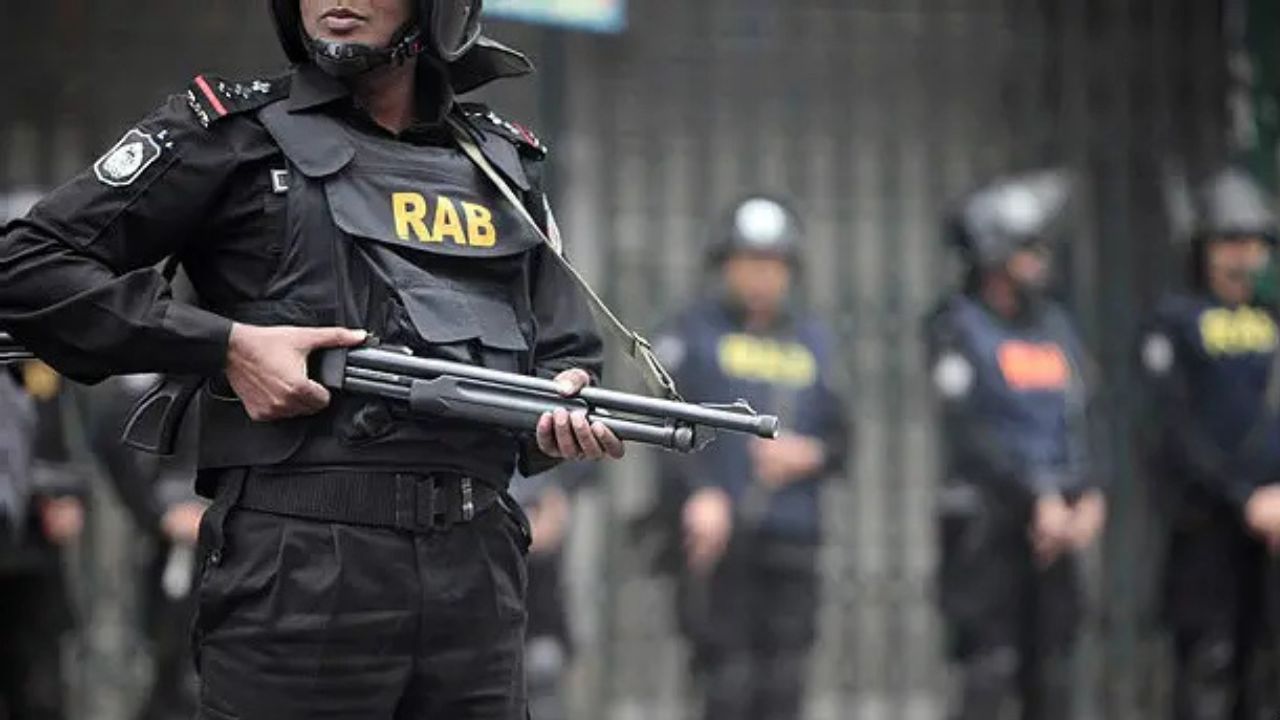


“Two months on from the vote, however, the scale of the challenge facing the new government is becoming clearer. For the BNP, the top priority needs to be reviving the economy and managing the fallout from conflict in the Middle East, which is hurting households and businesses,” Kean said.
He noted Bangladesh’s reliance on energy imports and fertiliser from the region, warning that rising prices and trade disruptions could drain reserves, lower growth and push millions back into poverty.
“At the same time, economic growth on its own is not enough. Bangladeshis are expecting to see real improvements in the performance of state institutions and public security,” Kean said. He added that the government must also implement political reforms and avoid confrontation over the July Charter, while addressing the Awami League’s future, since its temporary ban is not sustainable.
The Crisis Group said the election and handover marked a major step in Bangladesh’s effort to move past years of authoritarian rule, but whether the BNP can turn its mandate into lasting stability remains uncertain.
It highlighted economic recovery, security, political reforms and the Awami League’s future as key tests. Failure to meet the aspirations that fuelled the uprising against Hasina could trigger renewed unrest.
The group noted that US‑Israeli airstrikes on Iran, less than two weeks after the BNP took office, have amplified challenges given Bangladesh’s reliance on Middle Eastern oil and gas.
Economic growth
The Crisis Group said the government’s most urgent task is to deliver inclusive growth. While the interim administration restored some macro‑economic stability, political uncertainty and high interest rates discouraged private investment needed to create jobs. GDP growth is still recovering, inflation remains near 9%, and reserves, though improved, leave the economy vulnerable due to dependence on garments and remittances.
Debt servicing from AL‑era infrastructure projects is rising, while the banking sector remains strained by non‑performing loans linked to corruption under Hasina’s rule. Economic frustration, including anger over mismanagement and rising prices, helped spark the revolt that toppled her.
The BNP has announced a 180‑day plan focused on electricity, infrastructure and investment, but external shocks are complicating progress. The Middle East conflict is driving up energy costs, disrupting trade and hitting remittances. Power outages and fuel shortages are already widespread, fertiliser plants have closed, and reserves are under pressure with the fuel import bill expected to rise 40% in 2026.
Though subsidies have been increased to shield consumers, officials admit they may soon have to roll them back.