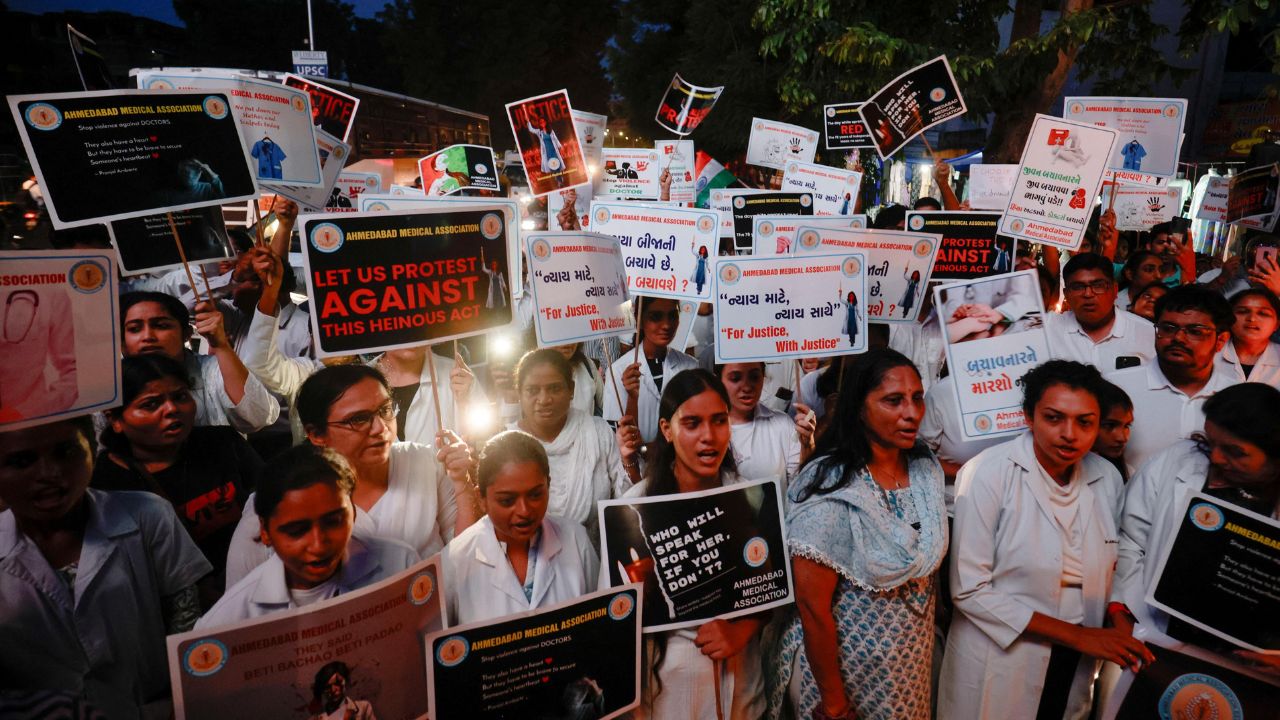

As documents linked to the late financier Jeffrey Epstein continue to surface, the controversy has embarrassed public figures worldwide.
In New Delhi, the discomfort reached the government when Microsoft co-founder Bill Gates was expected to deliver a keynote address at the AI Impact Summit but did not attend amid criticism over his past meetings with Epstein and apparent unease within the Modi administration, according to reports from Aljazeera.
The episode highlighted how swiftly political sensitivity can surface when international reputation is at stake. Yet that alertness to association contrasts sharply with the routine violence faced by women in India, which rarely provokes comparable embarrassment or sustained political consequence.
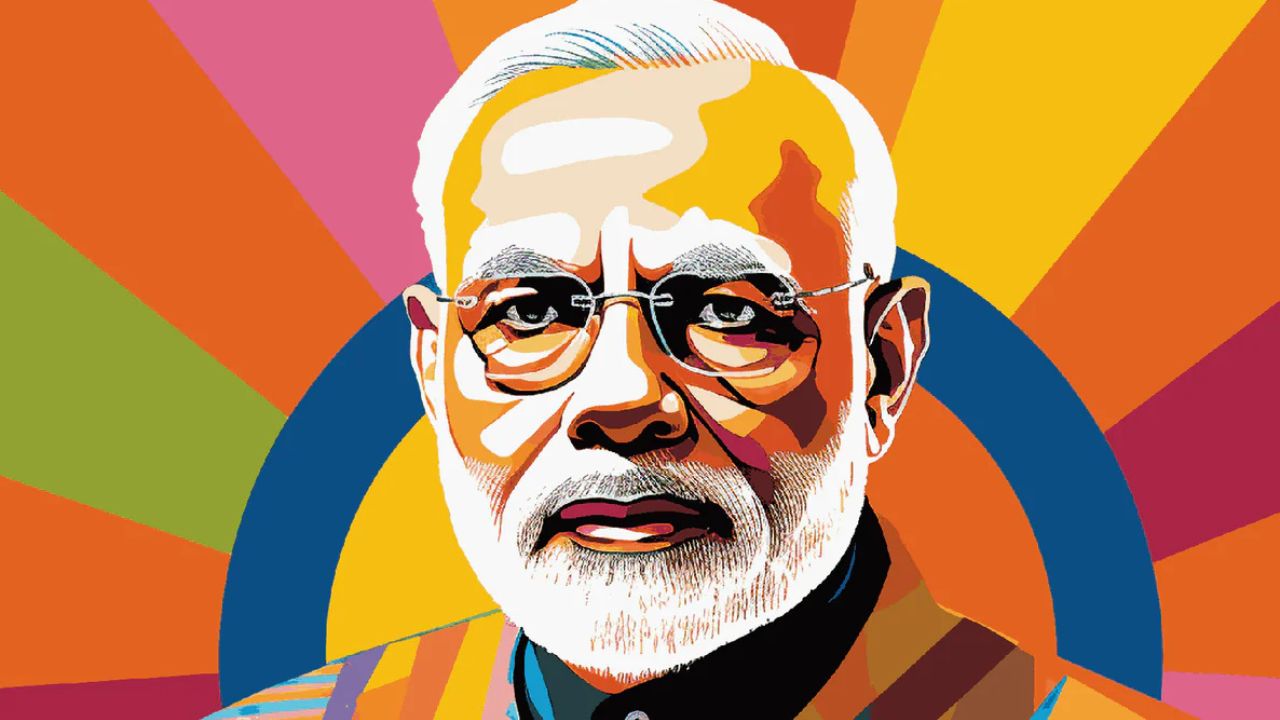
Under Prime Minister Narendra Modi, reports of gang rape appear in the news cycle with grim regularity. Between the commissioning and publication of this piece alone, a five-year-old was gang-raped in Meerut, a 26-year-old in Faridabad, a 17-year-old in Odisha and a 42-year-old in the outskirts of Delhi. A 12-year-old was kidnapped and gang-raped in Bikaner. Additional cases were reported in Bihar, Chhattisgarh, Rajasthan and Kanpur.
Government data show that an average of 86 women are raped every day in India. Statistics capture scale but not the pervasive fear that accompanies daily life for many women. The brutality described in individual cases — including mutilation, burning and strangulation — underscores the severity of the crisis.

Modi and Home Minister Amit Shah have repeatedly emphasised law and order. Critics argue that, despite this rhetoric, India’s record on gang rape under the current administration raises urgent questions about accountability.
One case that drew national attention involved Kuldeep Singh Sengar, a Bharatiya Janata Party politician convicted of raping a minor in 2017 in Uttar Pradesh’s Unnao district. A high court granted him bail in December, raising concerns about his potential reintegration into the same social and political networks that had once shielded him. The Supreme Court later stayed the bail order following protests in Delhi.
The victim in that case had alleged not only rape but subsequent gang rape by Sengar’s associates. Her father died in police custody. A formal case was registered only after she threatened self-immolation outside the chief minister’s residence. The episode exposed deep systemic failures — from policing to judicial process — that critics say remain unresolved.
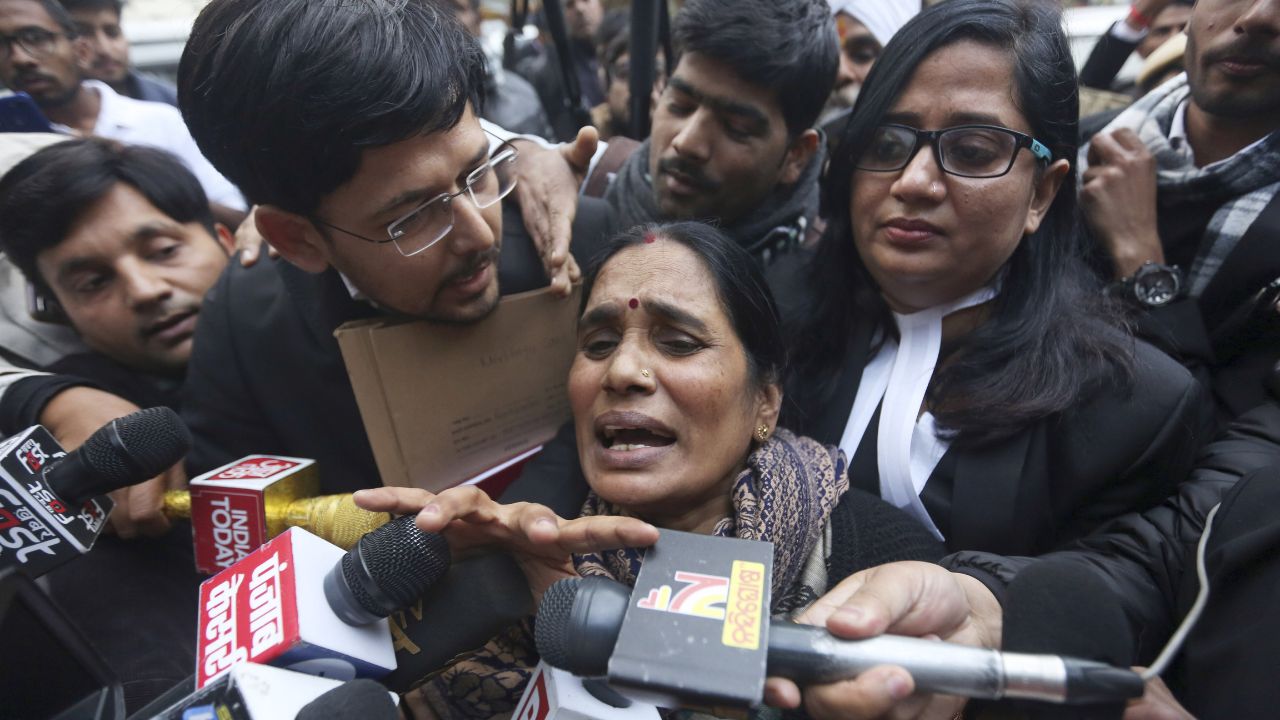
Public memory plays a central role in how such cases are understood. In 2012, the gang rape and murder of a young woman in Delhi, widely known as the “Nirbhaya” case, prompted nationwide protests and legislative reform. Many believed it marked a turning point.




The scale of outrage suggested that India had crossed a threshold.
More than a decade later, the recurrence of gang rape cases has prompted questions about how lasting those changes were. Campaigns such as “Not All Men”, which followed the Nirbhaya case, shifted debate towards broader cultural defensiveness rather than institutional accountability, according to some activists.
The cumulative effect of repeated reports has been described by women’s rights advocates as normalisation. Security applications, pepper spray and wearable alarms have become commonplace, signalling a market response to widespread anxiety.
The Indian experience also sits within a broader international pattern in which powerful men accused of sexual crimes can find institutional protection. The United States has grappled with its own reckoning over sexual abuse, including the Epstein network.
Critics draw parallels with Epstein scandal not in scale or context, but in the perception that institutions often close ranks around influential figures.
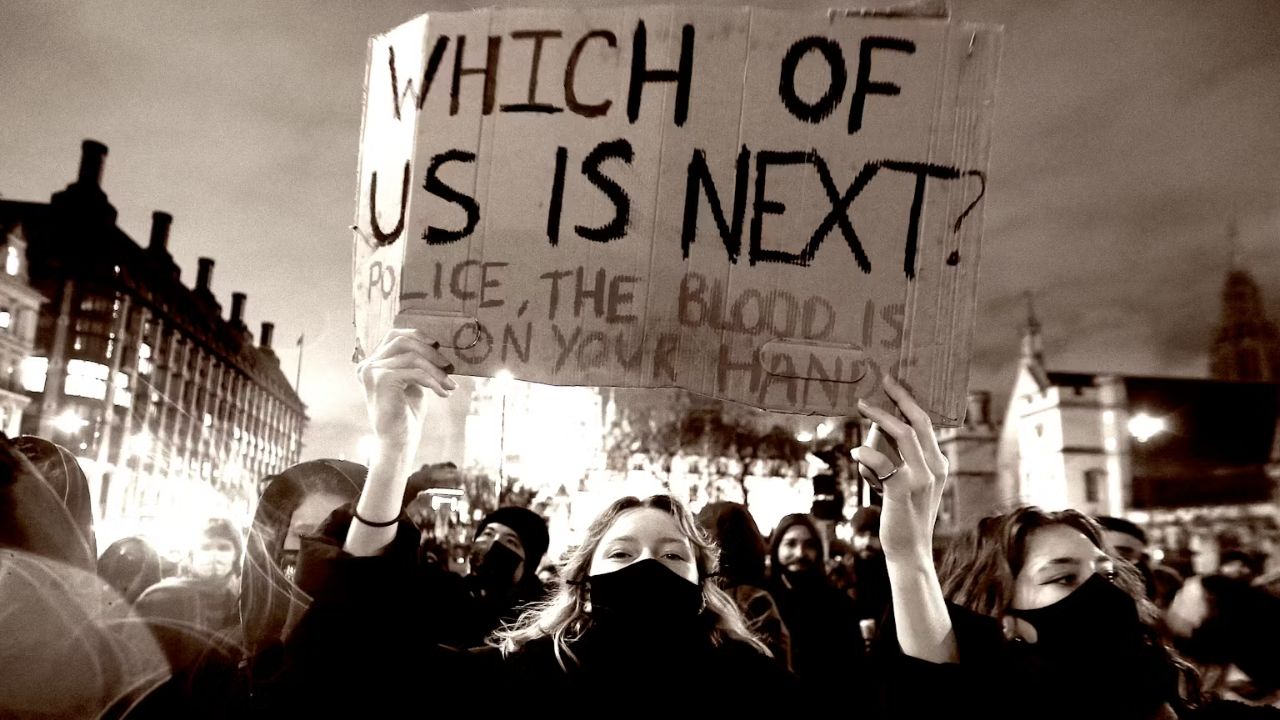
In both countries, campaigners argue that survivors frequently face prolonged battles for justice while public attention shifts elsewhere. Courts, hospitals and media scrutiny can compound trauma, they say, adding institutional layers to personal violation.
India’s middle class has, over the past decade, focused heavily on economic mobility and aspirational growth. At the same time, women’s rights groups warn that misogyny has been allowed to entrench itself socially and politically.
The teenager who survived Sengar’s assault continues to pursue justice. Survivors of Epstein’s trafficking network are engaged in similar legal battles. Their persistence underscores the contrast between individual resilience and systemic inertia.
Against this backdrop, the government’s visible discomfort over the reputational implications of the Epstein affair appears, to critics, incongruous. While diplomatic optics may demand sensitivity, campaigners argue that domestic violence against women warrants far greater urgency.

The central question is not whether India feels embarrassment over international scandal, but whether it demonstrates equal alarm at violence that has become routine. For many observers, a political culture that reacts sharply to external association yet remains comparatively muted about daily sexual violence reveals a troubling hierarchy of concern.
As India continues to position itself as a global power and the world’s largest democracy, its handling of sexual violence cases will remain under scrutiny. Activists contend that genuine commitment to law and order must extend beyond headline cases to structural reform.
Until then, critics say, the more telling measure of governance will lie not in responses to global scandal but in the everyday safety of its citizens.