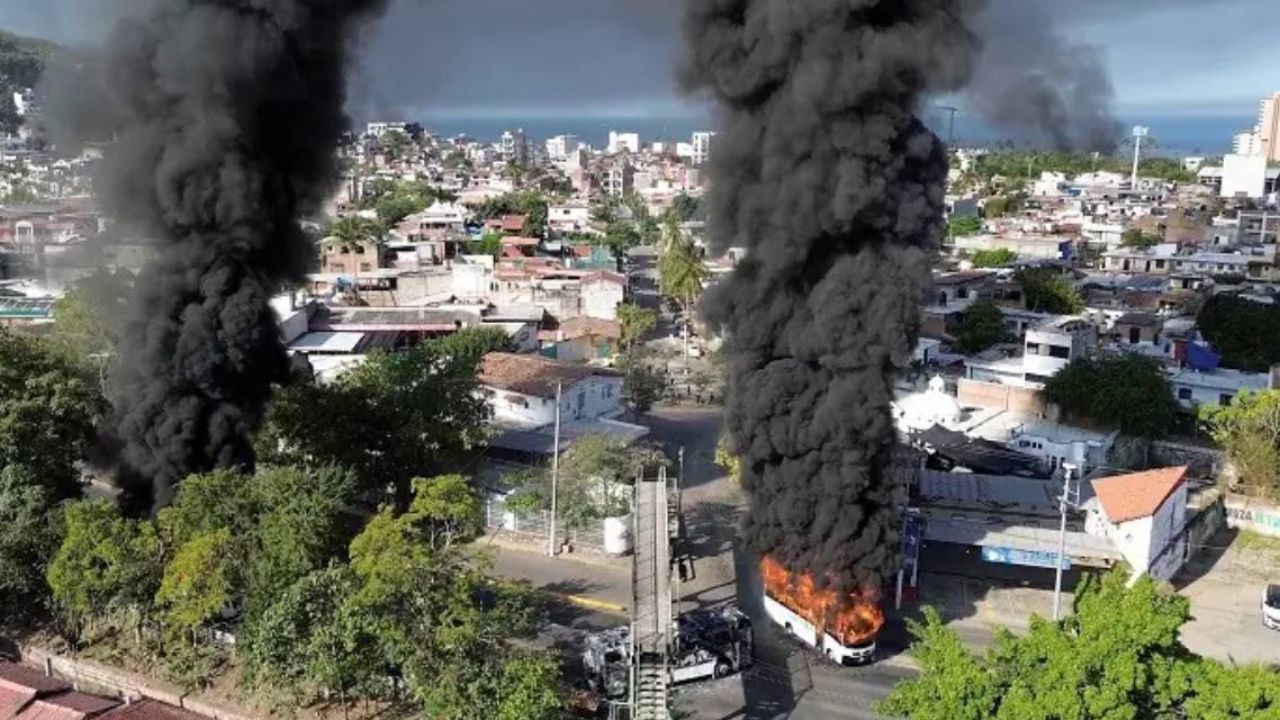



Residents and tourists in western Mexico have described scenes of burning vehicles, deserted streets and widespread fear after the killing of Nemesio Oseguera Cervantes, known as “El Mencho”, leader of the Jalisco New Generation (CJNG) cartel, triggered a wave of violence across several states, reports BBC.
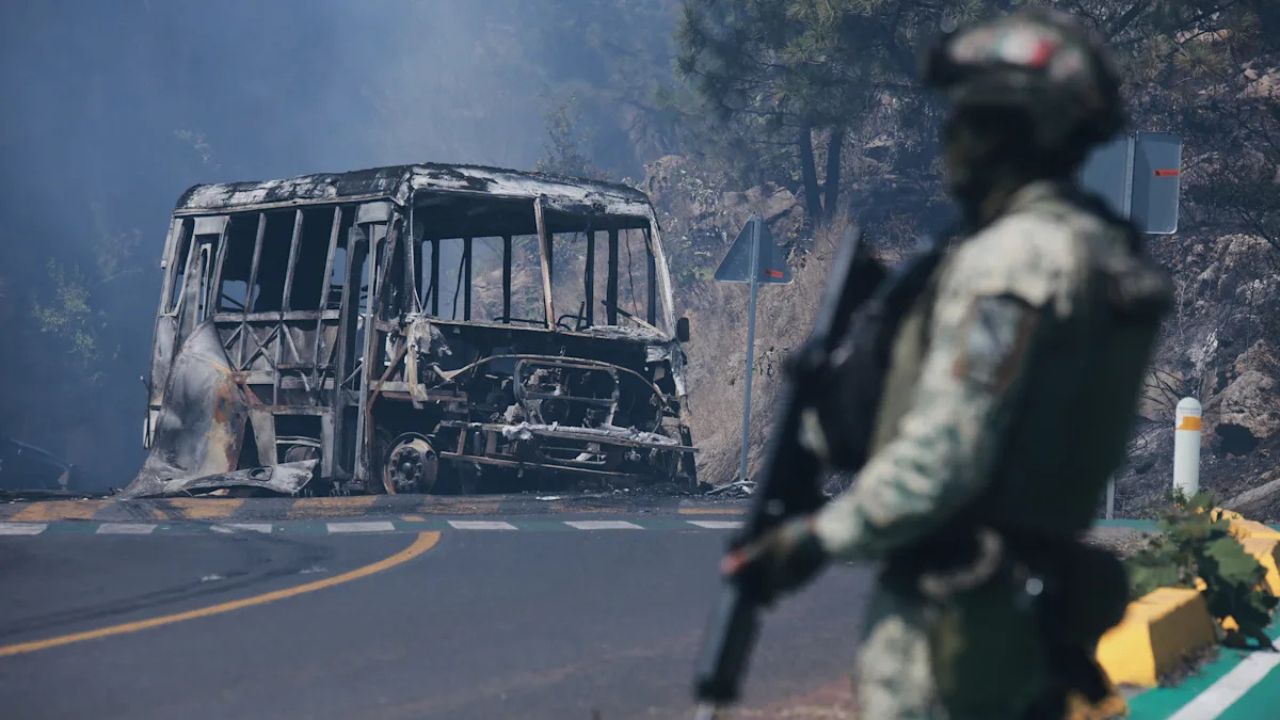
Oseguera, regarded as Mexico’s most wanted man and head of one of its most powerful criminal groups, was killed during a security operation to arrest him on Sunday. In the hours that followed, footage shared by locals and visitors showed buses and cars set ablaze and thick smoke rising over towns and cities, including the Pacific resort of Puerto Vallarta.
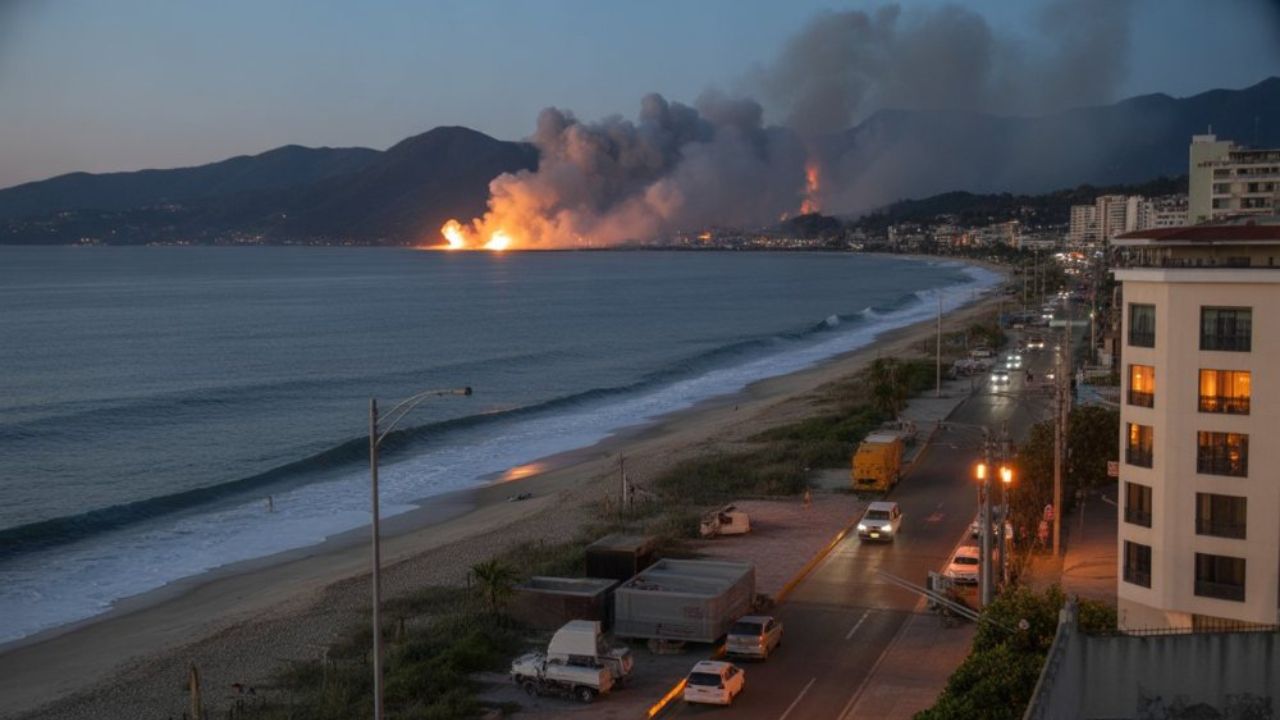
Jerry Jones, a Nashville-born publisher who has lived in Puerto Vallarta for more than four years, said he had “never experienced anything like this” and had generally felt “safer here than in my hometown”.
Jones, who runs the LGBT+ lifestyle magazine Out and About Puerto Vallarta, said residents were “completely caught off guard” as news of Oseguera’s death spread.
“The first inkling that we had that something was going on was one of our readers sent us a video of a bus being set on fire,” he said.
Within minutes, he said, smoke was visible “all the way across the city”. Vehicles were parked across roads and set alight, including at a local store where “more than 30 vehicles that were in the parking lot at the time were burned and destroyed”.
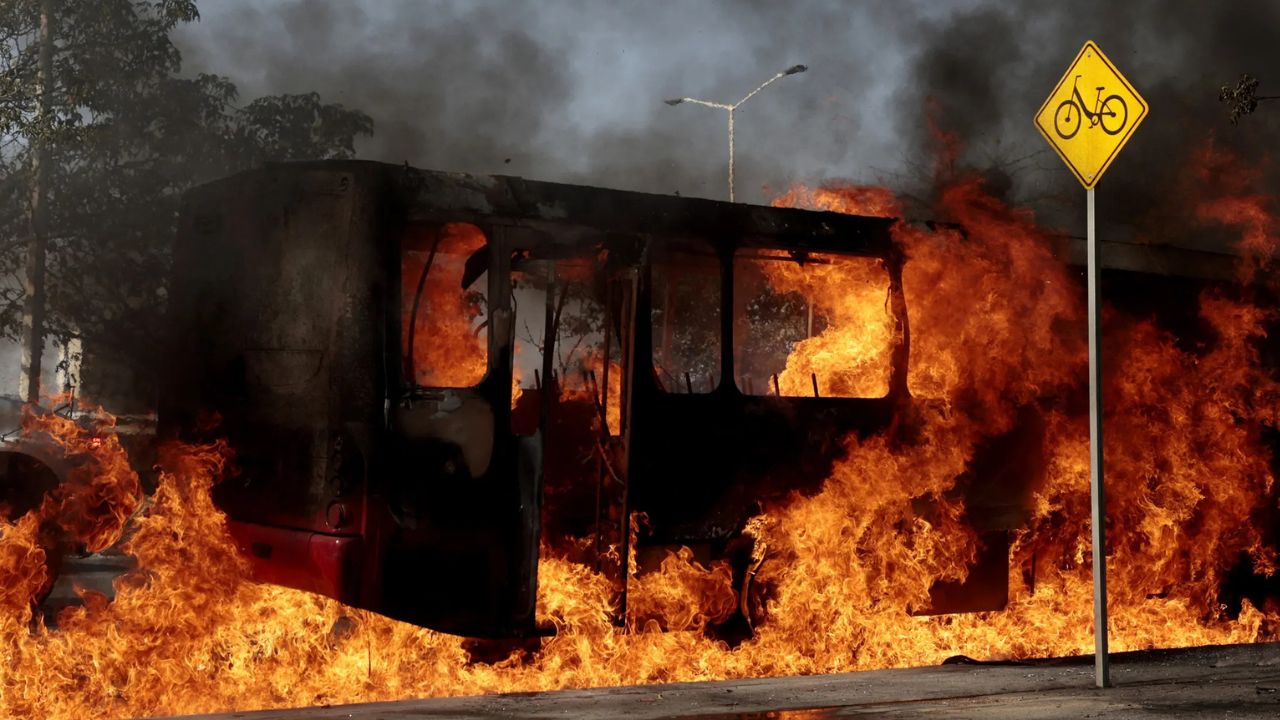
He said there was little immediate information from authorities and that he did not see military personnel or police in his neighbourhood until later in the afternoon.
Across several affected states, residents and tourists were urged to remain indoors. Businesses, schools and universities closed as unrest unfolded. Some people were left “stuck” inside shops when violence broke out and were unable to leave.

“When the city realised what was happening, they issued a stay at home order,” Jones said, describing the streets as suddenly “eerily quiet”.
He said firefighters appeared “overwhelmed” and that some residents helped to extinguish blazes. Community members also assisted tourists struggling to access food. A grocery shop that opened on Sunday evening drew what Jones described as an “unbelievable” queue.
“I don’t know what today’s going to bring. I hope, peace,” he said, adding that he worried about the long-term impact on tourism.
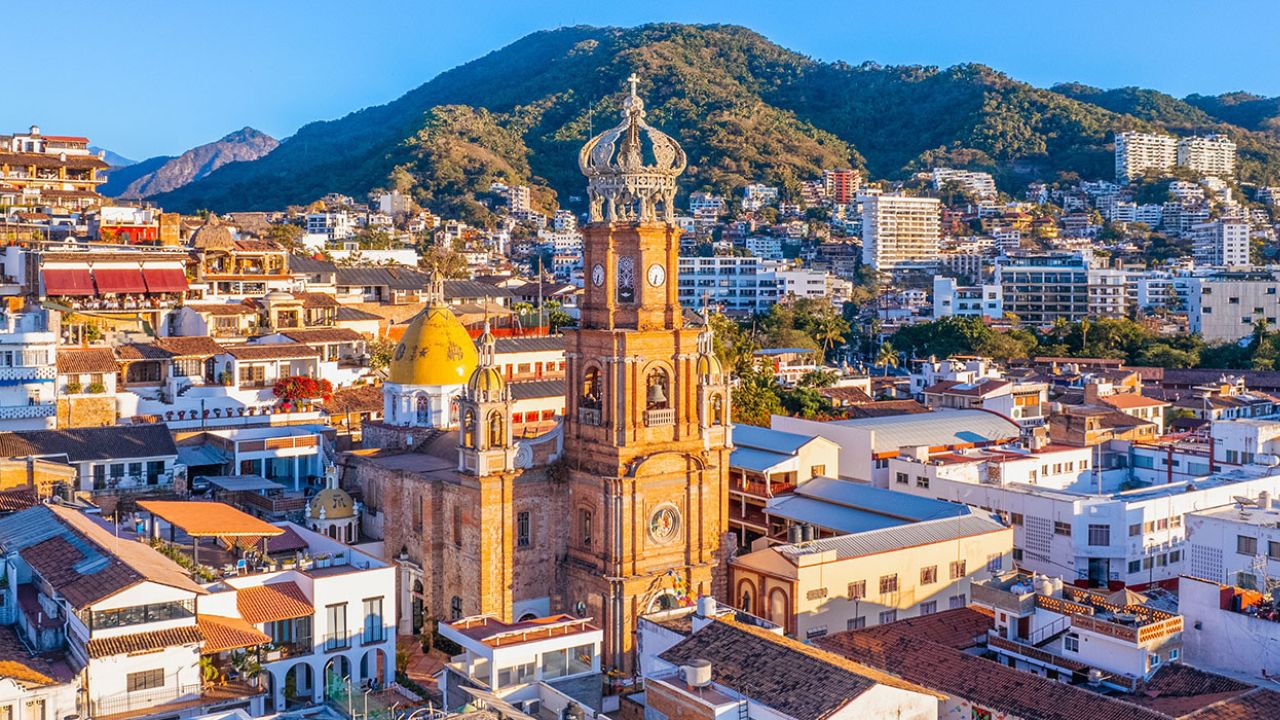
“Puerto Vallarta is strong and we have been through hurricanes together, the pandemic together, and businesses here join together,” he said. “In times like this, they do not compete. They join together and they help each other. And so, I think that’s going to happen and we will survive and be even stronger.”
Marc-André, a Canadian content creator who lives in Puerto Vallarta with his wife and two young children, said the normally tranquil resort “looked like it was an absolute war zone”.



“There were fires everywhere, like hundreds of cars throughout the city were burning at the same time,” he said in a video posted on his YouTube channel, More Life Diaries.
He later described the atmosphere as “very quiet and unsettling”.
“This is Mexico after all – usually there’d be music, people outside, people enjoying life, and there’s a really, kind of eerie, feeling in the air here,” he added, saying it was “quite heartbreaking to see what’s going on”.
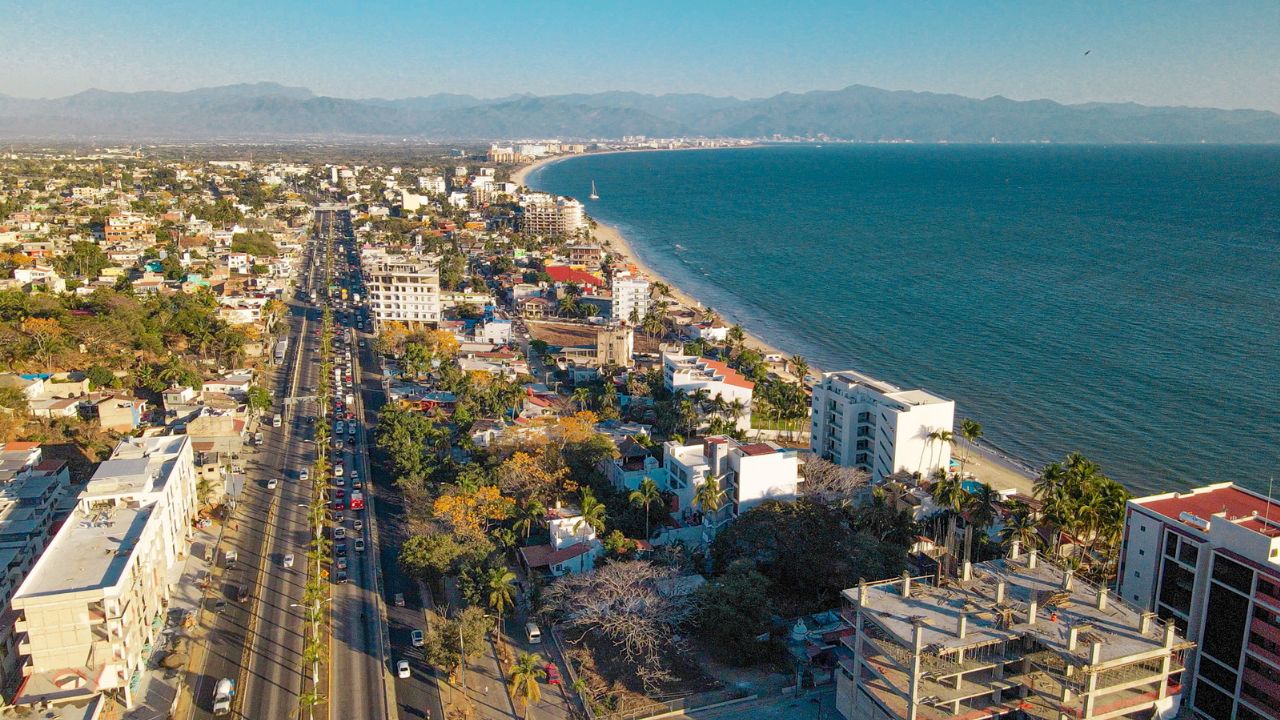
In neighbouring Nayarit state, Paul Desmond, a California-born YouTube creator who has lived for several years in the beach town of Bucerías, said the situation was “very unusual”.
Drone footage he shared showed an empty motorway with smoke rising in the distance.
“This is not something that happens regularly in our daily lives here,” he said. “It’s unsettling, it’s frustrating, it’s ugly.”
Tourists from the United States and Canada also recounted being stranded as flights were cancelled and transport disrupted.
Jeff Pass, a Canadian from Peterborough who had travelled to the Puerto Vallarta area for a destination wedding, said he could see fires burning across the town from his resort’s rooftop by Sunday afternoon. He said hotel staff provided limited information in the early hours.
By Monday afternoon, he said, conditions appeared calmer, with taxis and ride-hailing services gradually resuming operations. However, he and his partner were still unsure when they would be able to return home after flight cancellations.
They had attempted to register with the Canadian consulate in Mexico but said officials appeared “overwhelmed” by requests.
“We haven’t heard back from the Canadian government or anything, but the resort has been very good,” he said.
Dallas resident Adryan Moorefield, who had been visiting Puerto Vallarta since the previous week, told CNN the events were a “complete shocker”.
“It almost felt like being in the twilight zone,” he said, adding that his flight home had been cancelled.
Jim Beck told the broadcaster he had seen taxis “blown up all over town” as he left his hotel on Sunday morning.
“Everyone was running down the street, screaming and yelling, and they told everyone to get back to their hotels,” he said.
Tim Spencer, a tourist from Toronto, told CBC he had seen corner shops and cars in flames from the rooftop of the Villa Divina hotel.
“I’ve never really seen anything like this before in my life,” he said.
Canadian Foreign Affairs Minister Anita Anand urged citizens to travel only when “safe to do so”. She said more than 26,000 Canadians abroad had registered for security and travel updates, an increase of nearly 8,000 in a single day.
Airlines continued to cancel flights on Monday, leaving many visitors stranded. Air Canada said it would resume full operations to Puerto Vallarta on Tuesday from Montreal, Toronto and Vancouver, with services from Toronto to Guadalajara restarting on Wednesday.