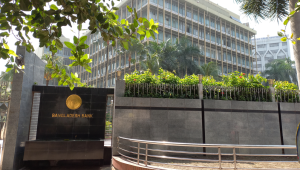
With inflation still proving stubborn, the central bank is set to announce a largely status quo monetary policy ahead of the 13th parliamentary election. Governor Ahsan H Mansur will release the Monetary Policy Statement for the second half of fiscal year 2025-26, covering January to June, at 11 am on Monday.
Bangladesh Bank Executive Director and spokesperson Arief Hossain Khan confirmed the development.
The central bank formulates monetary policy twice a year, for January to June and July to December, to balance inflation control with growth. The policy sets broad targets for domestic credit, money supply and levels of foreign and domestic assets.

Officials said the statement is coming just before the formation of a new government following the parliamentary election scheduled for 12 February. However, as inflation has not eased to the desired level and several uncertainties persist, the upcoming policy is expected to be largely routine in nature, with the policy interest rate and private sector credit flow kept unchanged.
Multiple central bank officials said political uncertainty has dampened fresh investment appetite among businesses. At the same time, Bangladesh Bank is inclined to keep interest rates steady until inflation falls below 7 per cent. As a result, no major shift is expected in the monetary policy for the second half of FY26, with inflation control remaining the primary objective.




The new policy will outline how money supply will be managed to meet inflation and GDP growth targets. Although the policy rate is a key tool for controlling liquidity, it has remained unchanged at 10 per cent since October 2024. Following the fall of the Awami League government, the rate was raised three times in two months starting August 2024 to tackle prolonged double digit inflation. Inflation, after peaking at 11.38 per cent, had declined but has recently edged up again, reaching 8.49 per cent in December.
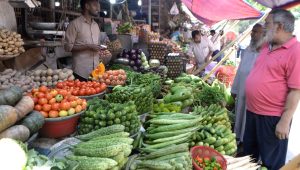
Meanwhile, the dollar exchange rate has remained stable at around Tk122 for an extended period, easing pressure on the foreign exchange market. A Bangladesh Bank study has attributed rising prices of essentials to weaknesses in market management and structural shifts in farm production. In particular, farmers shifting from rice to more profitable crops have reduced rice output.
Private sector credit growth stood at 6.58 per cent through November, but the central bank expects investment to pick up after the election. For that reason, the private sector credit growth target has been kept unchanged at 8 per cent through June. However, purchases of dollars from the market injected about Tk47,000 crore into the system, pushing money supply growth to 8.92 per cent by November.
Bangladesh Bank aims to bring inflation below 7 per cent, while the national budget set a target of 7.5 per cent. The GDP growth target for the current fiscal year is 6.5 per cent. The central bank believes overall economic stability, stronger post-election demand and rising remittance inflows through formal channels will help achieve these goals.