
BNP has unveiled an extensive healthcare strategy in its latest election manifesto, promising to ensure universal access to quality health services through a robust public health system.
Asserting that health is a fundamental right rather than a privilege, the party pledged to overhaul the sector to provide equitable and affordable care for all citizens.
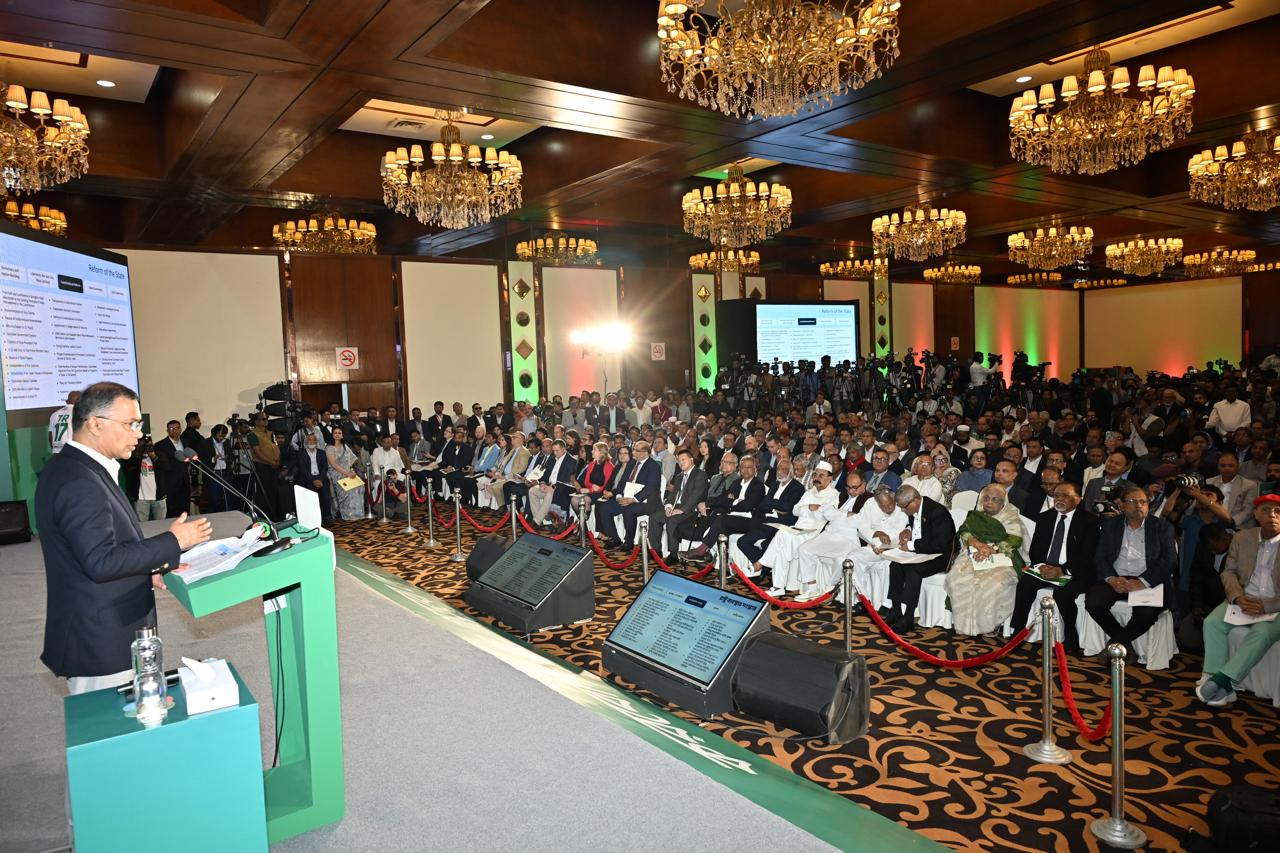
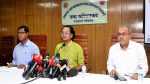
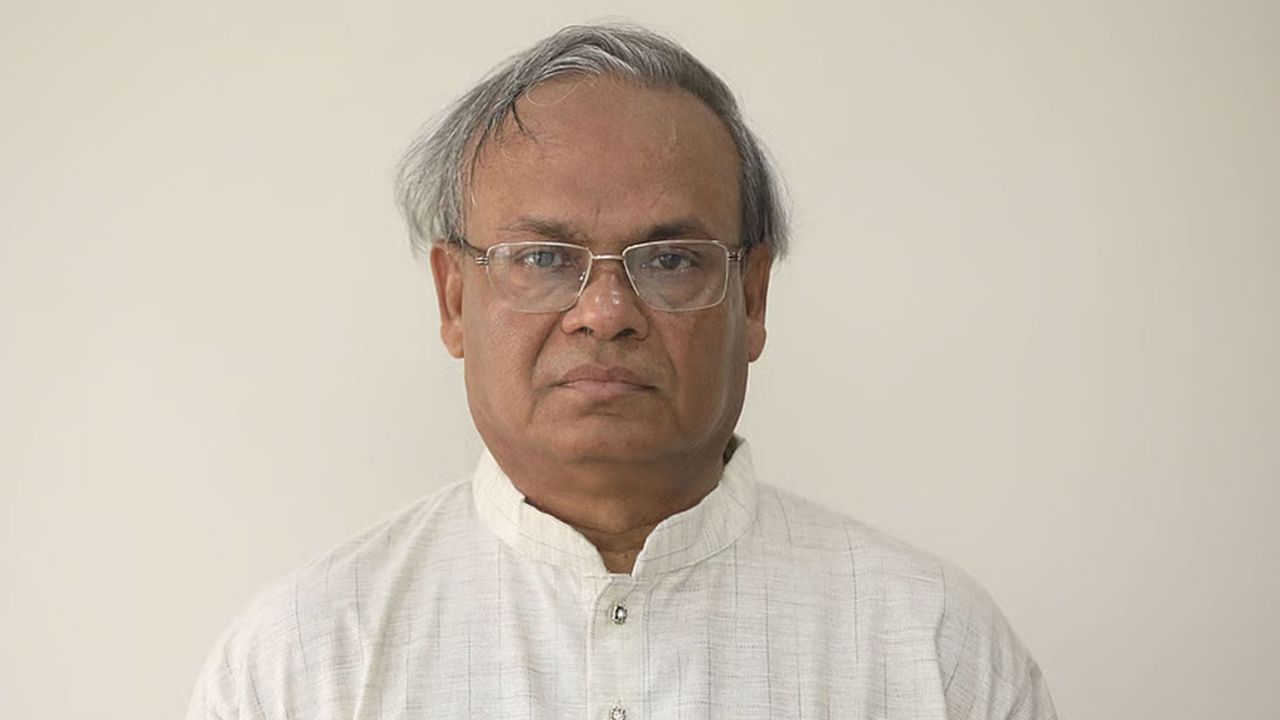
BNP Chairman Tarique Rahman made these announcements on Friday afternoon during an event held at Hotel Sonargaon in the capital.
The manifesto highlights that over 70% of health expenditure in Bangladesh currently comes directly from patients’ pockets, making illness a primary driver of poverty.
To address this, BNP proposes a gradual increase in the health budget to five percent of GDP, ensuring services are provided based on need rather than the ability to pay.

Infrastructure and Technology Under the proposed plan, primary health units will be established in every union and urban ward, offering free maternal and child healthcare, general treatment, mental health services, and disability-friendly care.
These units will be equipped with mini-labs and pharmacies.
For secondary healthcare, the party plans to host a modern unit in each district providing specialist consultations, 24-hour ambulance services, and advanced care for heart disease, cancer, diabetes, and trauma.
A key technological feature includes the introduction of electronic health cards for every citizen, allowing for instant access to medical histories and reduced clinical errors. The party also intends to implement AI-driven disease detection and digital prescription audits.

Workforce and social protection
The strategy includes the recruitment of 100,000 new healthcare professionals, with 40 percent of these positions reserved for women.
To assist with life-threatening illnesses, the government would finance specialised treatment in private hospitals under a ‘Health Protection Fund’, offering support of up to BDT 500,000 for poor families and subsidised care for the middle class.
Furthermore, essential medicines and vaccines for major diseases like cancer and stroke will be made free or affordable.
Governance and prevention
To ensure corruption-free services, the BNP pledged to implement strict accountability measures and establish a National Accreditation Council to monitor quality and infection control across all facilities.
The manifesto also emphasises disease prevention, including community-level programmes to tackle malnutrition and infectious diseases.
The party highlighted its past achievements in public health, such as the adoption of the WHO Framework Convention on Tobacco Control in 2003 and the enactment of the Tobacco Control Act in 2005.
Party officials stated that the plan reflects a commitment to a transparent, accountable, and patient-centred system, ensuring quality healthcare is available at the doorstep of every citizen.
Public health expert and former WHO consultant Mohammad Mushtuq Husain called the BNP’s pledge to make primary healthcare free and accessible “positive,” noting urban areas lack functional community health centers.
He stressed that hiring health workers is essential, but “their qualifications must be clearly defined so the system is not filled with untrained or politically appointed workers.”
Husain said raising health spending from less than 1 percent to 2 percent in the next budget would show intent and should “directly strengthen primary care and ensure proper training standards for health workers.”
On essential medicines, he noted that “the state must produce essential drugs itself to keep prices competitive and prevent overreliance on private companies.” He added that “implementation will matter more than promises,” urging independent commissions for health, police, and public administration.
If such bodies are created, funded and empowered within six months, meaningful reform is possible,” he said, noting BNP leaders with NHS experience may help drive policy.