In recent years, International Men’s Day has become more visible. It is celebrated in many countries with the goal of focusing on men’s issues. Despite its growing presence, I have made a personal choice not to observe this day. My reasons are based on a critical look at its meaning and impact.
First, the foundation of the day is problematic. The idea for International Men’s Day was largely formed as a response to feminist movements and International Women’s Day. It created a separate day to celebrate manhood, often in contrast to womanhood. However, the traditional concept of manhood is deeply connected to patriarchy—a social system where men hold primary power. This system has historically privileged men and often undermined women’s achievements. By creating a special day to elevate men, we risk making this system appear positive and acceptable. We risk glorifying a structure that has historically marginalized women. This does not help us move toward true equality.
Second, the celebration suggests that men are an oppressed group. It promotes the idea that men are victims. But victims of what? And victims of whom? There are, of course, rare cases where individual women harm individual men. However, looking at history and society as a whole, the pattern is clear. Globally, men have overwhelmingly been in positions of power. Men as a group have not been systemically marginalized by women. Claiming a shared victimhood for all men is misleading. It obscures the real and daily oppression that women and other marginalized genders face. It shifts attention away from the people who suffer most from gender inequality.

Third, men already possess significant social and economic advantages. Our social structures and even biological roles have consistently favored men. These systems grant men greater access to resources, authority, and influence. In this context, a “Men’s Day” creates a false balance. It makes it seem like men’s and women’s struggles are the same. They are not. Women’s Day exists for a powerful reason. It is necessary to celebrate women’s achievements and resilience against a history of exclusion. Their stories have been overlooked for centuries. Celebrating men, who have always been celebrated, is not the same. It reinforces the very privilege we should be examining.




I want to be clear. I am not denying that individual men can experience pain or hardship. There are isolated incidents where a man might be unfairly treated by a woman—in workplaces, schools, or public spaces. False accusations or professional sabotage may occur. While statistically very rare, these cases are real and serious. They can also be amplified through social networks or institutional biases, creating disproportionate backlash.
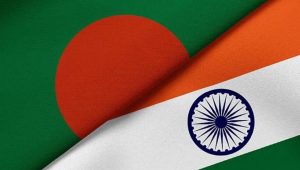
In Bangladesh, this issue has a local dimension. Laws intended to protect women from violence are critical for justice, yet they are sometimes misused. Most misuse occurs among men against other men, often related to family or property disputes. False cases filed by women on her own decisions are rare. While the misuse of these laws does not undermine their overall importance, it highlights the need for careful and fair implementation. Protections against gender-based violence must remain robust, but mechanisms must also prevent exploitation or injustice toward men. Feminist and legal systems must strike this balance while keeping the primary focus on the systemic violence and marginalization that women face.
In conclusion, my choice is not a dismissal of individual men’s struggles, nor a denial that gender relations are complex. My refusal to celebrate International Men’s Day is a conscious critique. I believe this symbolic celebration risks reinforcing patriarchal norms, misrepresenting historical and current realities, and diluting the urgent need to address systemic oppression of women. True gender equality requires vigilance, nuance, and a steadfast commitment to justice. It is about dismantling privilege and inequality, not creating parallel celebrations that celebrate already dominant groups.